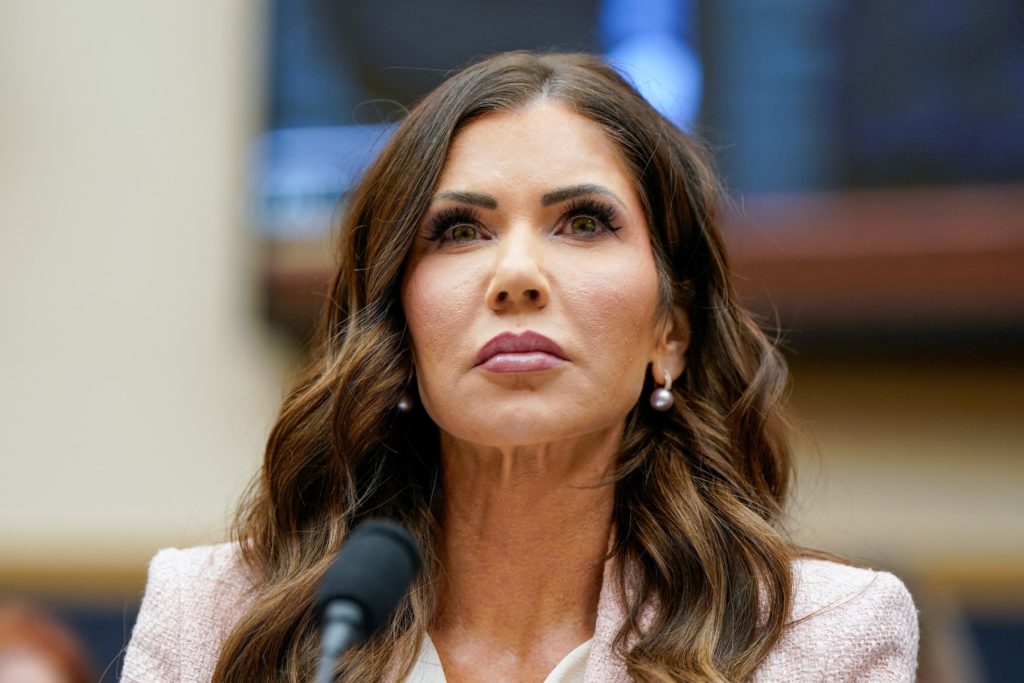
Homeland Security Secretary Kristi Noem has been removed from her position, marking the initial significant shakeup within President Trump's Cabinet during his second term, according to recent reports. The departure follows a period of intense scrutiny and bipartisan criticism directed at her leadership of the crucial federal agency. Sources indicate that the widespread discontent stemmed from several key areas, including the department's controversial management of the administration's immigration enforcement initiatives, perceived inefficiencies and delays in critical emergency response operations, and concerns over a substantial, nine-figure advertising campaign that critics alleged prioritized self-promotion over the agency's core mission. This abrupt change at the helm of such a vital department signals a potential shift in strategic direction for the administration's domestic security priorities as it moves forward.
The Department of Homeland Security (DHS) stands as a cornerstone of national security, tasked with safeguarding the United States against a wide array of threats, from terrorism to natural disasters, and overseeing immigration enforcement. The removal of Secretary Noem, as the first Cabinet-level change in a new presidential term, carries significant weight, often signaling a President's intent to recalibrate policy or demand greater alignment with their vision. The bipartisan nature of the criticism she faced is particularly noteworthy, suggesting that her leadership challenges transcended typical political divides and pointed to fundamental concerns about the agency's operational effectiveness and public accountability. Such broad disapproval can erode public trust and hinder the department's ability to execute its complex mandate effectively, making a leadership change a strategic necessity for the administration, according to political observers.
Specific points of contention that contributed to Secretary Noem's ousting included the agency's handling of the administration's stringent immigration crackdown, which drew fire from both sides of the political spectrum. Reports indicated concerns over the efficacy and humanitarian implications of these policies under her watch. Furthermore, the DHS faced significant backlash for reported delays in its emergency response capabilities, a critical function for an agency responsible for coordinating federal efforts during crises such as natural disasters or public health emergencies. The ability of DHS to react swiftly and effectively in such situations is paramount to public safety and national resilience. Adding to these operational concerns was the controversy surrounding a nine-figure advertising campaign, which, according to various reports, was perceived by many as an exercise in self-promotion rather than a genuine effort to inform or protect the public, raising questions about fiscal responsibility and ethical conduct within the department.
The departure of Secretary Noem and the subsequent Cabinet reshuffle could signal President Trump's determination to project an image of renewed vigor and efficiency in his second term, particularly in areas as sensitive as homeland security and immigration. Analysts suggest that this move might be an attempt to address public and political dissatisfaction head-on, aiming to install a leader who can more effectively navigate the complex challenges facing DHS while aligning more closely with the administration's evolving policy objectives. The next appointee will face the immediate task of restoring confidence in the department's operational capabilities, particularly concerning immigration enforcement and emergency preparedness, and addressing the ethical questions raised by the previous administration's public relations expenditures. This change could herald a more aggressive or, conversely, a more streamlined approach to the critical functions of homeland security, depending on the President's choice for her successor.
In summary, the removal of Homeland Security Secretary Kristi Noem represents a pivotal moment early in President Trump's second term, driven by a confluence of bipartisan criticism regarding her department's performance. The issues cited, ranging from the management of immigration policies and emergency response delays to concerns over a costly self-promotional advertising campaign, underscore the immense pressures and expectations placed upon the DHS leadership. As the administration seeks to fill this critical vacancy, all eyes will be on the President's choice, which will undoubtedly offer significant insights into the future direction and priorities for national security and domestic policy. The incoming Secretary will face the immediate challenge of rebuilding trust and demonstrating effective governance in a highly scrutinized and vital federal agency.