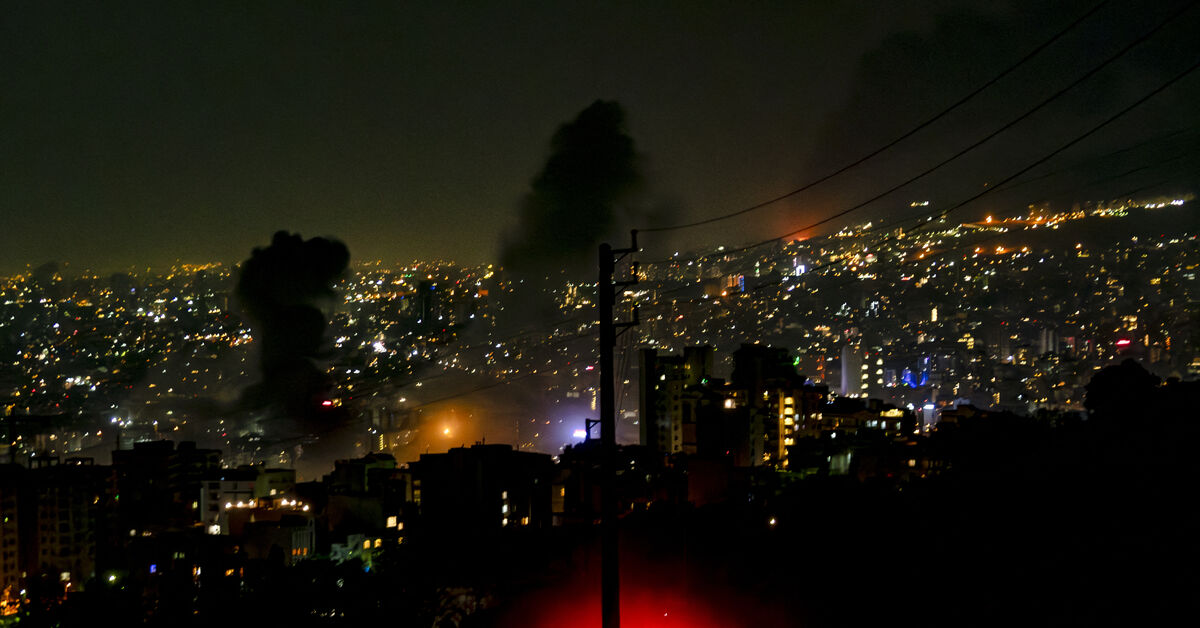
Former President Donald Trump declared on Saturday that the United States military had carried out a "highly successful assault" targeting three crucial Iranian nuclear installations: Fordow, Natanz, and Esfahan. In a series of statements disseminated through his Truth Social platform, Trump asserted that American forces had completed their operational objectives, with all participating aircraft having safely exited Iranian airspace. He specifically claimed that a "full payload of BOMBS" was deployed, with a particular focus on the primary Fordow site. This extraordinary allegation, if substantiated by independent verification, would signify an unprecedented and profound escalation of direct military confrontation between Washington and Tehran, potentially drawing the United States into a far-reaching and volatile regional conflict. The former president's remarks have immediately triggered widespread international concern and calls for clarity from official channels regarding the veracity of such a momentous military action.
The backdrop to this startling claim involves decades of intricate and often hostile relations between the United States and Iran, largely centered around Tehran's nuclear ambitions. Iran's nuclear program has been a persistent source of international tension, with sites like Natanz and Fordow being central to its uranium enrichment activities, which Western powers and international watchdogs fear could be diverted for weapons development. Fordow, notably, is a deeply buried facility, making it particularly resilient to conventional attacks and a symbol of Iran's determination to advance its nuclear capabilities despite international sanctions and diplomatic pressures. Previous administrations have pursued various strategies, from multilateral diplomacy and sanctions under President Obama to a 'maximum pressure' campaign under Trump, all aimed at curbing Iran's nuclear progress. An overt military strike of the nature described by Trump would represent a dramatic departure from these established policies and shatter the delicate balance of deterrence that has, until now, largely prevented direct armed conflict between the two nations.
According to the former president's posts on Truth Social, the alleged operation saw US forces target not only Fordow but also the Natanz and Esfahan facilities. Natanz is widely recognized as Iran's primary uranium enrichment plant, housing thousands of centrifuges, while Esfahan is home to a nuclear technology center and conversion facilities. Trump's specific mention of a "full payload of BOMBS" being dropped on Fordow underscores the purported intensity and destructive intent of the alleged strike against one of Iran's most fortified nuclear sites. As of the time of this report, there has been no independent confirmation or denial from current US defense officials, the Pentagon, or Iranian authorities regarding these claims. The absence of official corroboration leaves the international community in a state of heightened uncertainty, grappling with the implications of a former commander-in-chief making such a significant and unverified military announcement. The gravity of such a statement from a former head of state demands immediate scrutiny and official responses to prevent miscalculation or further destabilization.
The implications of former President Trump's unconfirmed declaration are profound and multifaceted, regardless of its veracity. If the claims were to be proven true, it would represent a monumental act of war, precipitating an immediate and severe retaliatory response from Iran, likely drawing the entire Middle East into a broader conflict. Such an event would undoubtedly trigger a global energy crisis, disrupt international trade, and potentially lead to a humanitarian catastrophe. Conversely, if the claims are unsubstantiated, the former president's statements themselves carry significant weight, potentially serving as a form of psychological warfare, an attempt to influence ongoing geopolitical discussions, or even a deliberate misinformation campaign. Expert perspectives suggest that such an announcement, even if false, could still provoke Iran, undermine the credibility of US foreign policy, and create confusion among allies and adversaries alike. It raises critical questions about the responsible dissemination of information, particularly concerning national security matters, by high-profile political figures outside of official government channels.
In summary, former President Donald Trump's assertion of a successful US military attack on key Iranian nuclear sites—Fordow, Natanz, and Esfahan—has ignited a firestorm of speculation and concern. These claims, made via Truth Social, remain entirely unverified by current US government officials or international bodies. The potential consequences of such an action, if true, would be catastrophic, marking an unprecedented escalation in US-Iran relations and regional instability. The immediate focus remains on obtaining official confirmation or denial from authoritative sources. The international community, diplomatic channels, and global markets are now closely watching for any official statements from Washington or Tehran that could either corroborate or refute these extraordinary allegations, which hold the potential to reshape the geopolitical landscape of the Middle East and beyond.