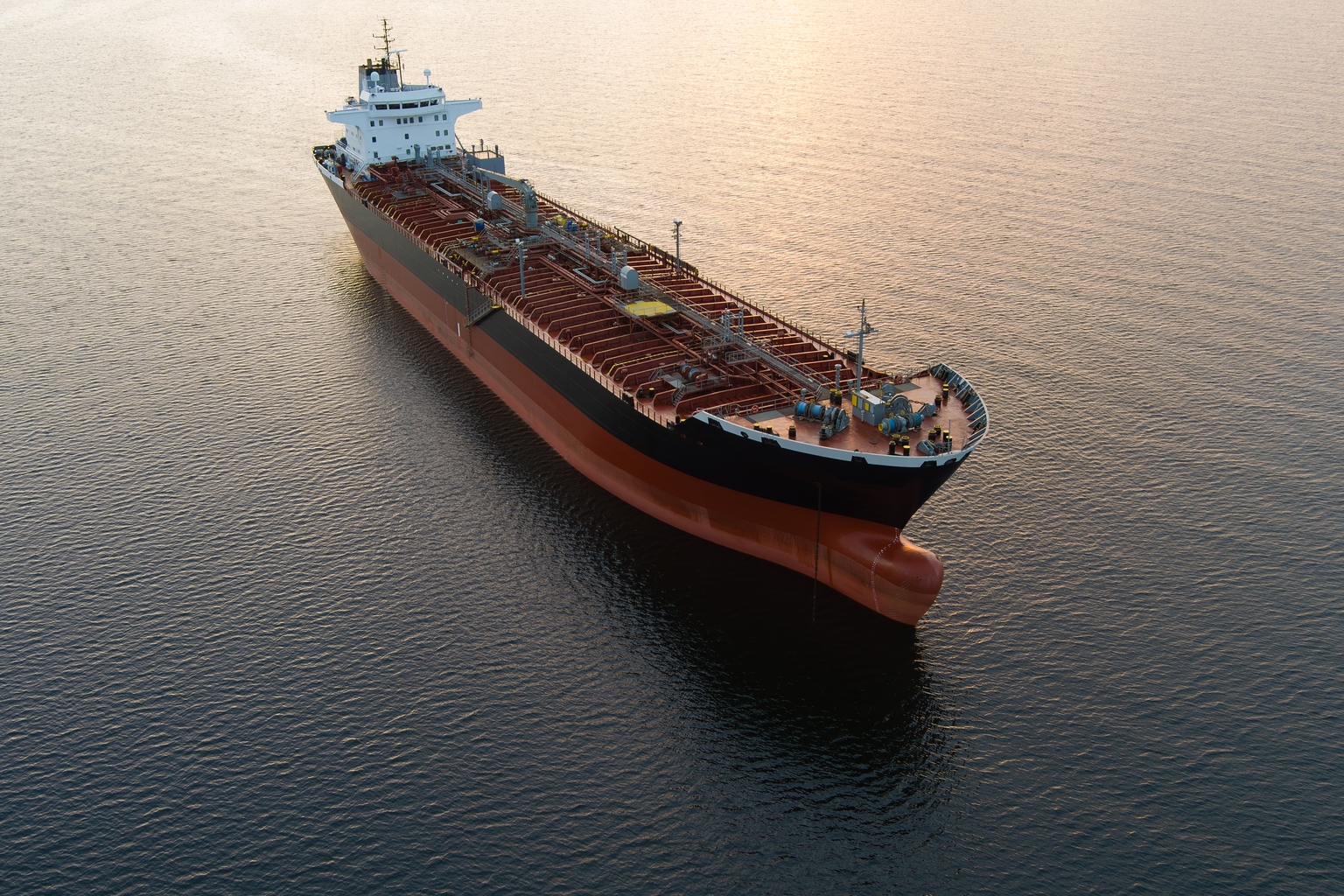
Tsakos Energy Navigation Limited (TEN), a prominent player in the maritime energy transport sector, has recently experienced a significant surge in its stock valuation, with shares appreciating by nearly 50% over the past three months, according to recent market analysis. This substantial increase has prompted a reiteration of a bullish outlook from financial observers, who suggest the company retains further growth potential despite its recent rally. The positive sentiment surrounding TEN is largely attributed to its strong operational fundamentals, including what analysts describe as prudent fleet management and efficient operations, even amidst fluctuating global market conditions. Furthermore, ongoing geopolitical instability, particularly in the Middle East, is identified as a critical factor influencing the tanker market. While these tensions inherently introduce operational complexities and risks for shipping companies, they are simultaneously viewed as powerful catalysts driving higher spot and charter rates, thereby bolstering TEN's revenue prospects. This dynamic interplay of robust internal management and external market forces underpins the optimistic assessment of the company's trajectory.
The context for Tsakos Energy Navigation's current market position is rooted in its strategic approach to the volatile global energy shipping industry. As an owner and operator of a diverse fleet of crude oil, product, and liquefied natural gas (LNG) carriers, TEN's business model is directly impacted by global energy demand, supply dynamics, and geopolitical events. The company's reported robust fundamentals and operational efficiency are crucial in navigating an environment characterized by unpredictable shifts in trade routes and energy consumption patterns. Historically, periods of geopolitical tension, especially those affecting major oil-producing regions or critical shipping lanes like the Middle East, have often led to disruptions in traditional maritime routes. These disruptions necessitate longer voyages, increased demand for available vessels, and consequently, higher freight rates. For companies like TEN, which possess a flexible fleet strategy, this scenario can translate into enhanced profitability, as their vessels are in greater demand for rerouting and extended charters. This adaptability is critical in leveraging market opportunities that arise from global instability, transforming potential risks into significant revenue drivers for the company.
Delving deeper into the financial specifics, recent assessments indicate that Tsakos Energy Navigation's valuation remains at a reasonable level, even after its considerable stock appreciation. A specific price target of $41.15 has been put forth by some market analysts, reflecting continued confidence in the company's future earnings potential. Technical indicators, which analyze past market data to predict future price movements, reportedly confirm a prevailing bullish trend for TEN's stock. However, these same technical signals also suggest that the stock may be entering an "overbought" territory, a condition that typically warrants a degree of caution among investors, as it could precede a short-term price correction. Despite this cautionary note, the overall "buy" rating for TEN is sustained, primarily due to its strategic operational flexibility and the persistent demand for rerouted shipping services. This demand is a direct consequence of ongoing disruptions in the global oil market, which compel shippers to seek alternative, often longer, routes, thereby sustaining elevated charter rates for tanker operators like Tsakos Energy Navigation.
The broader implications of the current market environment for the tanker industry, and specifically for Tsakos Energy Navigation, are multifaceted. Geopolitical tensions, particularly those emanating from the Middle East, create a complex landscape where operational risks, such as increased insurance premiums or security concerns, are balanced against significant commercial opportunities. The analyst's perspective highlights that while these tensions introduce uncertainties, they simultaneously act as powerful "upside catalysts." This means that the very instability that poses challenges for global trade can paradoxically benefit tanker companies by disrupting established supply chains and forcing longer, more circuitous shipping routes. Such rerouting, often seen in response to threats in vital waterways, increases the time vessels spend at sea and reduces the overall availability of ships, thereby driving up freight costs. This dynamic is a key factor in the sustained demand for TEN's services and its ability to command higher rates. It is worth noting that the analyst providing this assessment has disclosed a beneficial long position in TEN shares, which is a common practice in financial reporting and provides context for their expressed opinions.
In conclusion, Tsakos Energy Navigation Limited has demonstrated robust performance in recent months, with its stock experiencing a substantial increase, supported by strong operational fundamentals and a strategic fleet management approach. Market analysts continue to hold an optimistic view, citing the company's ability to capitalize on the unique dynamics created by global geopolitical tensions, particularly those impacting oil shipping routes. While operational risks persist, the resulting demand for rerouting and extended voyages is seen as a significant driver for elevated charter rates and sustained profitability for TEN. Investors and market observers will likely continue to monitor the evolving geopolitical landscape, especially in critical energy regions, as these factors are expected to remain pivotal in shaping the tanker market's trajectory and Tsakos Energy Navigation's future financial performance. The interplay between global stability and the inherent adaptability of shipping companies like TEN will be a key area to watch in the coming period.