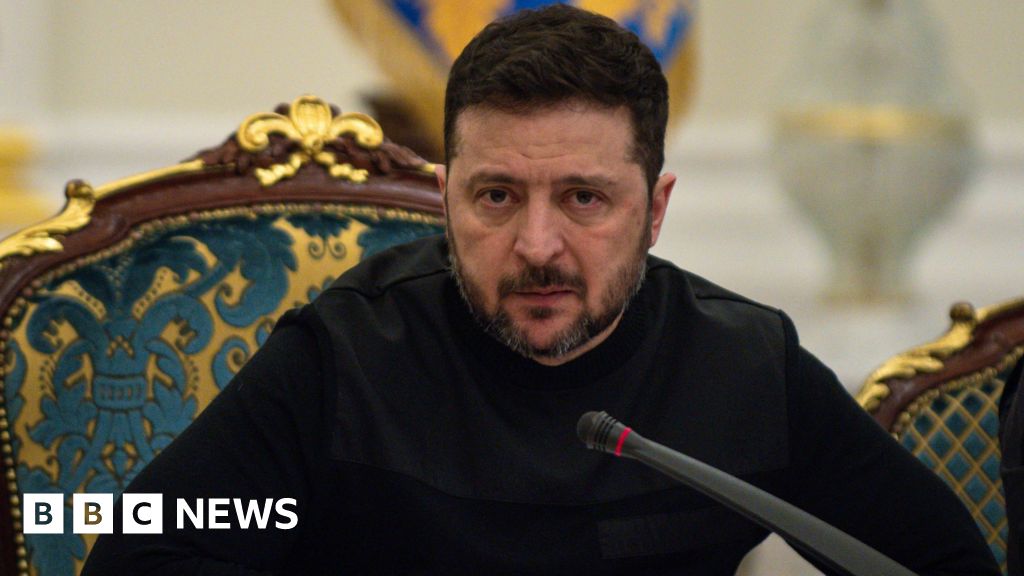
The United States has reportedly approached Ukraine for assistance in bolstering the defenses of its allies in the Persian Gulf region against the growing threat posed by Iranian-manufactured drones, according to recent statements from Ukrainian President Volodymyr Zelensky. Speaking publicly, President Zelensky indicated that Ukraine's international partners have initiated contact, specifically mentioning "requests from the American side" regarding this matter. While the Pentagon has chosen not to comment on these assertions, Zelensky made it clear that any potential Ukrainian involvement would be contingent upon two critical conditions: ensuring that Ukraine's own defensive capabilities are not compromised, and securing tangible diplomatic advantages for Kyiv. This strategic offer from Ukraine suggests a willingness to leverage its extensive, albeit costly, experience in countering Iranian drone technology, which has been widely deployed by Russia in the ongoing conflict in Ukraine. The potential collaboration highlights a complex geopolitical maneuver, as Ukraine seeks to navigate its own war while engaging with broader international security challenges.
This development unfolds against a backdrop of heightened global instability, particularly with the ongoing full-scale invasion of Ukraine by Russia and escalating tensions across the Middle East. The conflict in the Middle East has raised significant concerns within Kyiv that its Western allies might become increasingly distracted, potentially leading to a reduction in crucial military and financial support for Ukraine's defense efforts. Furthermore, there are apprehensions about a potential scarcity of interceptor missiles, which are vital for Ukraine's air defense systems, and the possibility of Russia benefiting from rising global oil prices, which directly fund its war machine. President Zelensky has openly acknowledged these multifaceted risks but appears determined to transform the current international crises into opportunities that could advance Ukraine's national interests and security. By offering its unique expertise in drone warfare, Ukraine aims to solidify its strategic partnerships and potentially secure vital resources for its own protracted struggle.
Elaborating on Ukraine's proposed terms for engagement, President Zelensky specifically suggested a reciprocal arrangement where Ukraine could exchange its interceptor drones for more advanced US Patriot air defense systems. Such a swap would be strategically significant for Kyiv, as Patriot systems are highly effective against ballistic missiles, a threat that Russia frequently employs against Ukrainian cities and infrastructure. This indicates Ukraine's immediate priority remains the enhancement of its own air defense network. Beyond the direct military implications, President Zelensky has also been actively engaging with leaders across the Gulf region, holding discussions with counterparts in the United Arab Emirates, Qatar, Bahrain, Jordan, and Kuwait. During these engagements, he has reportedly pledged "concrete steps" to assist these nations in safeguarding their critical military installations and civilian infrastructure from potential Iranian drone attacks. On social media, Zelensky underscored the clarity of the situation, stating, "It is clear what their main request to Ukraine is," further emphasizing the perceived need for Ukraine's specialized knowledge in combating drone threats, a capability honed through direct conflict.
The potential collaboration between the US, Ukraine, and Gulf allies against Iranian drones carries significant strategic implications for all parties involved. For the United States, it represents an opportunity to bolster regional security in the Gulf by leveraging Ukraine's battle-tested experience, potentially without directly deploying additional American assets. For Ukraine, this initiative could serve as a powerful diplomatic tool, allowing Kyiv to demonstrate its value as a security partner beyond its immediate conflict, while simultaneously securing crucial advanced weaponry like Patriot systems that are vital for its own defense against Russian aggression. It also highlights Ukraine's transformation into a global expert in counter-drone warfare. For Iran, such a coordinated defensive effort could complicate its regional drone proliferation strategy and potentially diminish the effectiveness of its proxy forces. Conversely, Gulf allies stand to gain invaluable practical knowledge and enhanced defensive capabilities against a persistent regional threat. This complex interplay underscores the evolving nature of modern warfare, where specialized expertise gained in one conflict zone can have far-reaching applications across different geopolitical theaters.
In summary, President Zelensky's revelation of US requests for Ukraine's help against Iranian drones in the Gulf region marks a pivotal moment, showcasing Kyiv's strategic ambition to turn global challenges into national opportunities. Ukraine's conditional offer, prioritizing its own defense and diplomatic gains, particularly the acquisition of Patriot air defense systems, underscores its immediate security needs. This potential collaboration highlights Ukraine's unique expertise in countering advanced drone threats, an invaluable asset forged in the crucible of its ongoing conflict. As negotiations potentially unfold, the international community will be closely watching how this proposed partnership might reshape regional security dynamics in the Middle East and influence the trajectory of Ukraine's own defense efforts against Russia, particularly concerning the critical need for robust air defense capabilities.