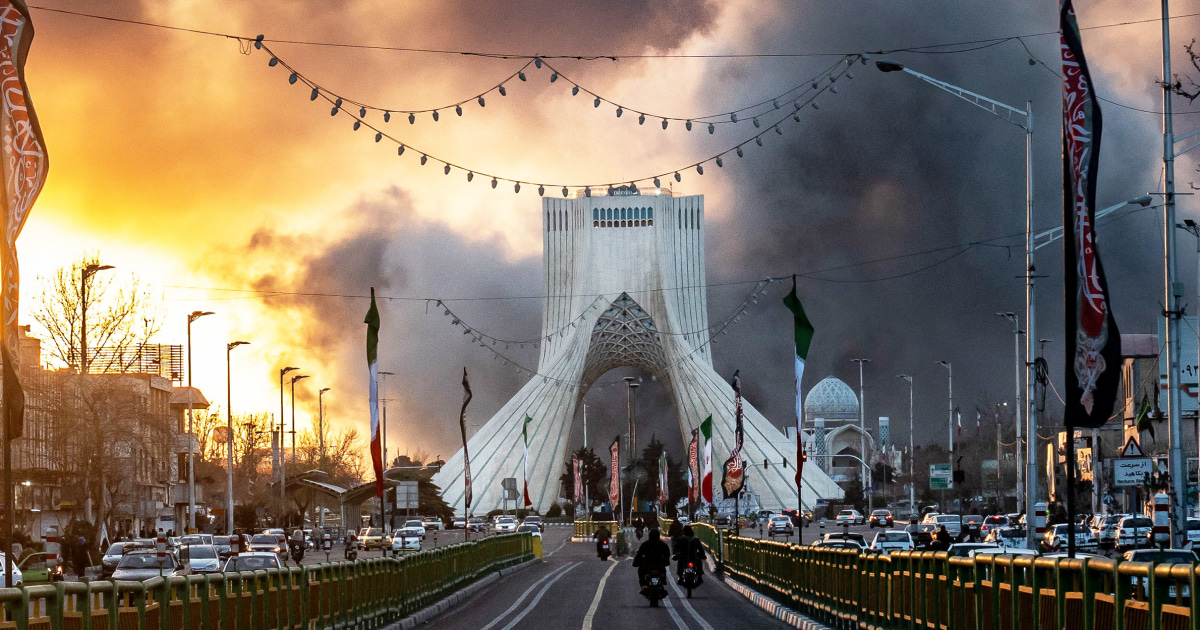
The Middle East is gripped by escalating conflict as Iran commences public mourning for its deceased Supreme Leader, Ayatollah Ali Khamenei, whose body is currently on display in Tehran. This period of national grief unfolds amidst a backdrop of intense regional hostilities, with fresh attacks reported in Tehran targeting Iranian security forces. Simultaneously, Iranian retaliatory actions have struck various U.S. installations, crucial travel hubs, and vital oil infrastructure across the Gulf region. In response to the rapidly deteriorating security situation, top officials within the Trump administration have reportedly informed lawmakers in confidential briefings to anticipate an "overwhelming" and significantly larger wave of military strikes against Iran in the coming days. Adding to the volatility, Israel has publicly declared its intention to target Iran's next leader, once a successor to Khamenei is chosen by the ruling clerics, signaling a potential for continued, long-term destabilization in the region.
The current surge in hostilities follows the death of Ayatollah Ali Khamenei, plunging Iran into both a period of national mourning and a critical leadership transition. As the nation prepares to select its new spiritual and political head, the vacuum created by Khamenei's passing has intensified existing geopolitical rivalries. The Israeli government's explicit vow to target any new Iranian leader underscores the profound distrust and animosity that defines the relationship between the two nations, suggesting a future fraught with continued confrontation regardless of who assumes power in Tehran. This internal Iranian process is unfolding while the broader region witnesses a dangerous escalation, with the United States actively advising its citizens to depart the Middle East, a clear indicator of the perceived and immediate threats to American interests and personnel. The historical context of U.S.-Iran tensions, particularly concerning Iran's nuclear program and its regional influence, provides a critical lens through which to understand the current rapid deterioration of stability, pushing the region closer to a broader conflict.
Specific incidents highlight the extent of the ongoing conflict and its humanitarian toll. Iran’s Red Crescent has reported a grim tally of nearly 800 fatalities resulting from Israeli and American strikes across the Middle East. Concurrently, 11 individuals have been killed in Israel due to retaliatory fire from Iran. The United States government has also confirmed the deaths of four out of six service members in a drone strike on a port in Kuwait, underscoring the direct impact on American forces. Economically, the region's vital oil infrastructure remains a prime target; Saudi Aramco’s Ras Tanura oil refinery, recognized as one of the Middle East’s largest, sustained another attack this morning. This incident occurred merely two days after an initial strike temporarily halted its operations. According to a spokesperson for Saudi Arabia’s defense ministry, early assessments suggest the latest assault was carried out by a drone, fortunately resulting in no significant damage to the facility.
The implications of these escalating events are far-reaching, signaling a potential for a protracted and more intense conflict. The warning from top Trump administration officials about an "overwhelming" wave of future military strikes on Iran suggests a significant escalation in the U.S. response strategy, moving beyond targeted retaliation to a more comprehensive campaign. This anticipated military action, coupled with Israel's stated intent to target Iran's future leadership, indicates a strategic effort to destabilize the Iranian regime and its regional proxies, potentially leading to a prolonged period of instability. Furthermore, the repeated attacks on critical oil facilities, such as the Ras Tanura refinery, and the disruption of shipping through the Strait of Hormuz, a crucial global energy chokepoint, have already sent oil prices soaring. This economic fallout poses a substantial threat to global markets and could trigger broader economic instability, transforming a regional conflict into an international crisis. President Donald Trump's consideration of U.S. Navy escorts for oil tankers through the Strait of Hormuz, a move Iran claims it has "complete control" over, further highlights the strategic importance of this waterway and the potential for direct confrontation.
In summary, the Middle East stands at a critical juncture, marked by the mourning of Iran's Supreme Leader, Ayatollah Ali Khamenei, and a dangerous escalation of military engagements. The region is witnessing a complex interplay of internal Iranian leadership transitions, direct military strikes on U.S. and allied targets, and explicit threats from both the U.S. and Israel against Iran's current and future leadership. The mounting death toll, coupled with significant economic disruptions from attacks on oil infrastructure and the Strait of Hormuz, underscores the severe humanitarian and financial costs of the ongoing conflict. As the international community watches, the coming days are expected to bring further military action, as indicated by U.S. officials, and the selection of Iran's new leader, both of which will be pivotal in determining the trajectory of this rapidly evolving and highly volatile regional crisis.