The United States has taken significant security measures across the Middle East, including the closure of its diplomatic missions in Saudi Arabia and Kuwait, following a series of drone attacks. These actions are reported to be part of a broader retaliatory campaign by Iran, which has seen increased aggression across the region. Simultaneously, the Israeli military has initiated a ground incursion into neighboring Lebanon, marking a considerable escalation in its ongoing conflict with the Iran-backed Hezbollah militant group. Reports indicate that Israeli forces are operating on Lebanese territory with the stated objective to "advance and seize additional" areas. Amidst these developments, U.S. authorities have issued urgent advisories, urging American citizens in the region to "DEPART NOW!" and have ordered the evacuation of non-emergency personnel from six Gulf states, underscoring the heightened risk and rapidly evolving security landscape.
The current surge in hostilities represents a critical juncture in the long-standing regional tensions involving Iran, Israel, and the United States. Iran's retaliatory actions, which include the drone attacks targeting U.S. interests, are understood to be a response to prior military engagements in the volatile Middle Eastern theater. The deployment of Israeli ground troops into Lebanon signifies a substantial intensification of its campaign against Hezbollah, a powerful proxy group that has historically received significant support from Tehran. This move follows a period of escalating cross-border exchanges and airstrikes, pushing the conflict beyond aerial bombardments into direct ground engagements. The U.S. decision to withdraw non-essential personnel and issue stern travel warnings reflects a recognition of the severe and immediate threats posed by the widening conflict, which has drawn multiple regional and international actors into a dangerous spiral of confrontation.
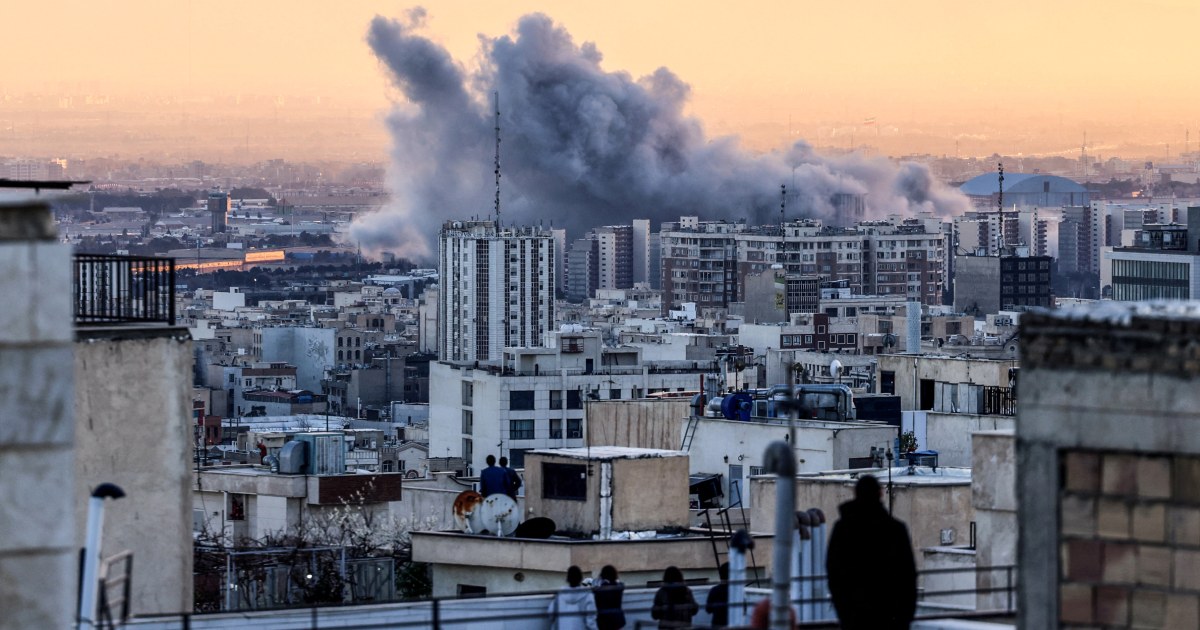
Further detailing the military actions, Israeli forces have not only commenced ground operations in Lebanon but have also conducted new airstrikes targeting key urban centers, specifically Beirut and Tehran, according to official statements. These strikes underscore the broadening scope of the conflict, extending beyond traditional battlegrounds. The human cost of the escalating violence is becoming increasingly apparent, with the Iranian Red Crescent reporting a grim toll of nearly 800 fatalities within Iran alone, attributed to Israeli and American strikes. Across the wider Middle East, hundreds more are reported to have perished. Regarding the potential duration of the conflict, President Donald Trump offered a nuanced perspective, suggesting it could persist for weeks while also controversially remarking that wars could be fought "forever" given America's extensive munitions reserves. This contrasts with earlier assurances from Defense Secretary Pete Hegseth, who had vowed the conflict would not be "endless." Meanwhile, sources familiar with the U.S. campaign have indicated that American operations are planned to unfold in distinct phases, commencing with engagements on the periphery before advancing deeper into affected territories.
The simultaneous escalation on diplomatic, military, and humanitarian fronts presents a complex and perilous outlook for regional stability. The closure of U.S. embassies and the urgent call for citizens to evacuate highlight the immediate threat to American interests and personnel, signaling a significant deterioration in security conditions. Israel's decision to launch a ground incursion into Lebanon, coupled with airstrikes on Beirut and Tehran, represents a substantial strategic shift, indicating a willingness to undertake more direct and aggressive measures against Iran-backed entities. This move risks drawing Hezbollah into a full-scale confrontation, with potentially devastating consequences for Lebanon and the broader region. The rising death toll, particularly the nearly 800 reported fatalities in Iran, underscores the severe humanitarian impact of the ongoing strikes and the urgent need for de-escalation. The conflicting statements from U.S. leadership regarding the conflict's duration further complicate the narrative, creating uncertainty about the long-term commitment and strategic objectives of international players.
In summary, the Middle East is currently experiencing a rapid and dangerous escalation of hostilities, marked by U.S. diplomatic closures, Iranian retaliatory drone attacks, and a significant Israeli ground invasion of Lebanon. The humanitarian crisis is deepening, with hundreds of lives already lost, particularly in Iran. The immediate future remains highly uncertain, with President Trump's remarks suggesting a potentially prolonged conflict, despite earlier assurances of a finite engagement. Observers will be closely monitoring the progress of Israeli forces in Lebanon, the nature and extent of further Iranian retaliation, and any additional security measures taken by the United States. The potential for a wider regional conflagration remains a critical concern, demanding urgent diplomatic efforts to prevent further loss of life and destabilization.