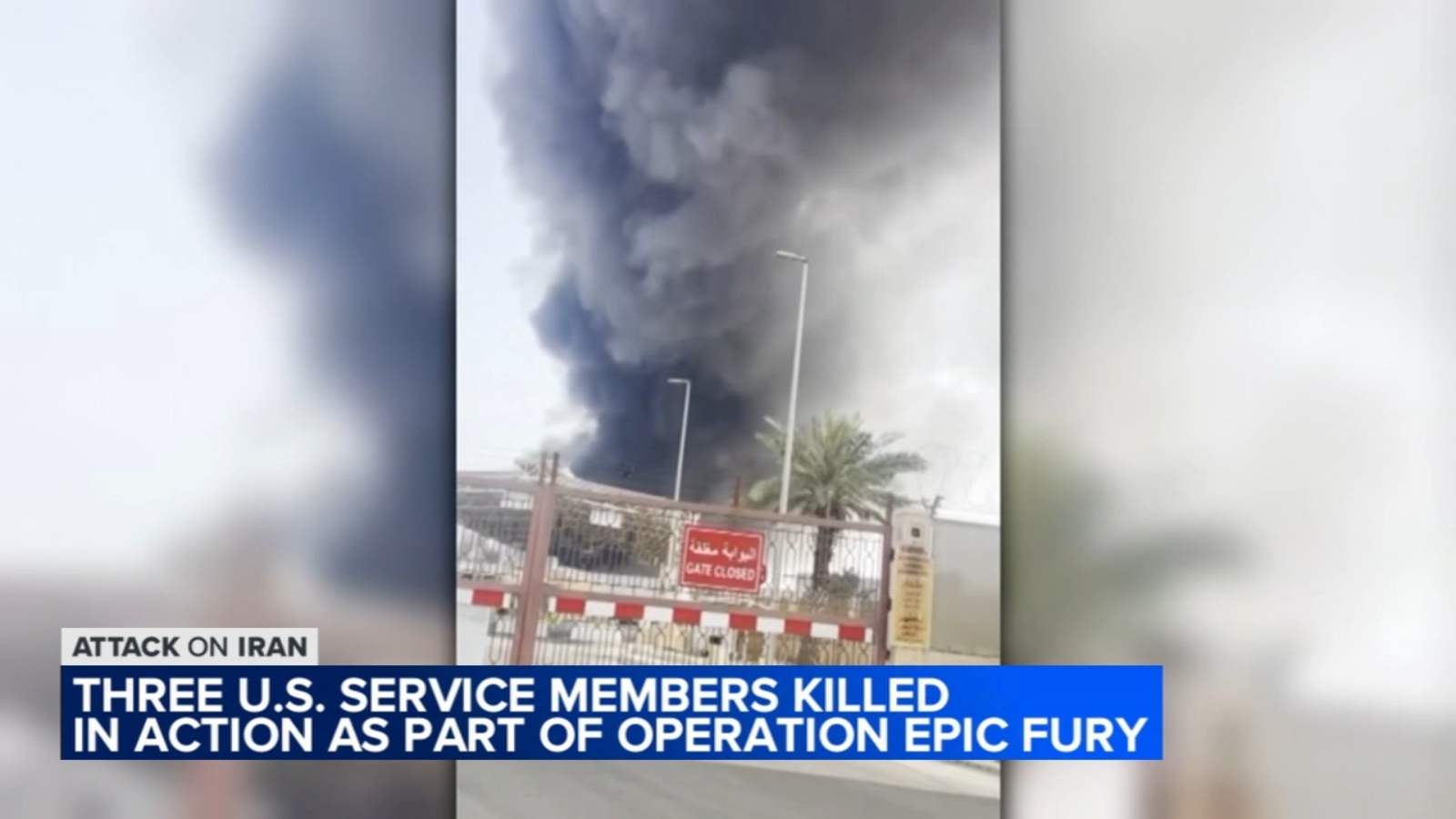
In a significant escalation of Middle East tensions, President Donald Trump declared the commencement of "major combat operations" against Iran on Saturday, marking a joint military action with Israel. Officials confirmed that the daytime strikes specifically targeted Iranian military and governmental installations. The gravity of the situation intensified dramatically with Iranian state television confirming the death of Ayatollah Ali Khamenei, the nation's Supreme Leader, during airstrikes in Tehran on Saturday. This unprecedented development triggered immediate retaliatory measures from Iran, which launched missile and drone attacks against Israel, several U.S. military bases in the region, and various Gulf nations. The conflict has already resulted in casualties, with reports indicating at least three U.S. service members were killed in the attacks on Iran. President Trump cautioned on Sunday that further losses were "likely" as the military engagement, designated 'Operation Epic Fury,' continues to unfold, signaling a volatile and uncertain path forward for regional stability.
The recent military actions have plunged the Middle East into a new phase of instability, with the joint U.S.-Israeli operation representing a profound shift in regional dynamics. The confirmed demise of Ayatollah Ali Khamenei, a figure who has led Iran for decades, carries immense historical and political weight, potentially reshaping the country's leadership and future trajectory. This dramatic turn of events has resonated deeply within the Iranian-American community, particularly in areas like Chicago, where many express profound apprehension. According to reports, these community members fear a distressing echo of past conflicts and political upheavals, raising concerns about the long-term consequences for their homeland and its people. The declaration of "major combat operations" underscores a heightened level of engagement that many observers believe could have far-reaching implications beyond the immediate battlefields, impacting global diplomacy and regional alliances for years to come.
The repercussions of the escalating conflict are keenly felt in communities far from the immediate theater of war, including among Iranian-Americans in the Chicago area. While some Iranians globally, and within Chicago, reportedly celebrated the news of the Supreme Leader's death, a more complex sentiment of fear and apprehension pervades the community regarding the broader implications of military intervention. Ali Tarokh, an Iranian refugee and former political prisoner now residing in the Chicago area, articulated a nuanced perspective. As an adjunct professor at Loyola University, Tarokh expressed strong opposition to the Iranian regime but also voiced deep concerns about the efficacy and consequences of war. He stated that history has taught him that "bombing and striking will not bring democracy and freedom for Iran," emphasizing his desire for genuine democracy over "rapid changes" that might not fundamentally alter the system. Tarokh further elaborated that simply "decapitating the head of the regime doesn't change the system," highlighting the intricate challenges of political transformation. Meanwhile, the human cost of the conflict continues to mount, with officials confirming at least three U.S. service members have died, and President Trump warning of the likelihood of additional casualties as operations persist.
Beyond the immediate human and political toll, the military actions against Iran are anticipated to trigger significant economic ripple effects, particularly in the United States. Experts are forecasting a probable rise in domestic gas prices, a direct consequence of the escalating conflict unsettling global energy markets. Oil prices already saw an increase at the opening of trading on Sunday, reflecting investor anxiety over potential disruptions to the worldwide fuel supply network. This economic volatility underscores the interconnectedness of geopolitical events and global commerce. From a strategic perspective, the targeting and confirmed death of Iran's Supreme Leader, Ayatollah Ali Khamenei, represents a profound and unprecedented move. While some might view such an action as a decisive blow, analysts, including figures like Ali Tarokh, suggest that leadership decapitation alone may not fundamentally alter a deeply entrenched political system. The long-term implications for Iran's internal power structures, potential succession struggles, and its stance on regional and international relations remain highly uncertain, pointing towards a period of sustained instability and unpredictable outcomes in the Middle East.
In summary, the joint U.S.-Israel military operation against Iran has dramatically escalated tensions in the Middle East, marked by the confirmed death of Supreme Leader Ayatollah Ali Khamenei and immediate retaliatory strikes from Tehran. This volatile situation has already claimed the lives of U.S. service members, with President Trump anticipating further casualties. The conflict's far-reaching consequences are already evident, from the profound fears expressed by Iranian-Americans in Chicago, who worry about a repeat of historical traumas, to the immediate economic impact of rising global oil prices and projected increases in U.S. gas costs. As 'Operation Epic Fury' continues, the international community will be closely watching for further escalations, the potential for a broader regional conflict, and how Iran's leadership succession might unfold, all of which will shape the future stability of a critical global region.