Joint military assessments from the United States and Israel on Thursday indicated substantial progress in neutralizing Iran's ballistic missile capabilities, with officials signaling an imminent intensification of their coordinated offensive. According to statements from senior military leaders, a significant portion of Iran's missile infrastructure has been disabled, leading to a marked reduction in attacks against regional targets. Admiral Brad Cooper, who commands US forces in the Middle East through Central Command, reported a dramatic 90% decrease in Iran's ballistic missile attacks and an 83% decline in drone assaults since the conflict's initial days. Similarly, Israeli Chief of Staff Lt. Gen. Eyal Zamir stated that waves of allied strikes had successfully dismantled 80% of Iran’s air defenses and 60% of its missile launchers. Despite these reported successes, both nations cautioned that the threat persists, even as Iranian ballistic missile and drone assaults continued to harass Israeli territory and Gulf states, underscored by a recent late-night ballistic missile attack involving a cluster warhead that caused damage in central Israel, though fortunately no injuries were reported by authorities. This ongoing military campaign, dubbed "Operation Epic Fury," is entering a more aggressive phase, with new strategies aimed at dismantling deeply embedded Iranian assets.
The current phase of "Operation Epic Fury" represents a critical escalation in the long-standing shadow conflict between Iran and its regional adversaries, primarily Israel and the United States. For years, Iran has developed and proliferated a sophisticated arsenal of ballistic missiles and drones, which regional powers view as a direct threat to their security and stability. These weapons have been utilized in numerous attacks targeting not only Israel but also vital infrastructure and shipping lanes in Gulf states, often through proxies. The stated objective of this joint US-Israeli military operation is to systematically degrade Iran's capacity to project power through these asymmetric means, thereby reducing the frequency and lethality of such attacks. The initial stages of the conflict saw a focus on readily accessible targets, but the recent shift towards deeper, more fortified installations signifies a strategic pivot, reflecting the determination of the allied forces to neutralize the threat comprehensively. This intensified campaign is a direct response to the persistent danger posed by Iran's missile program, aiming to establish a more secure regional environment for allied nations and international maritime activities.
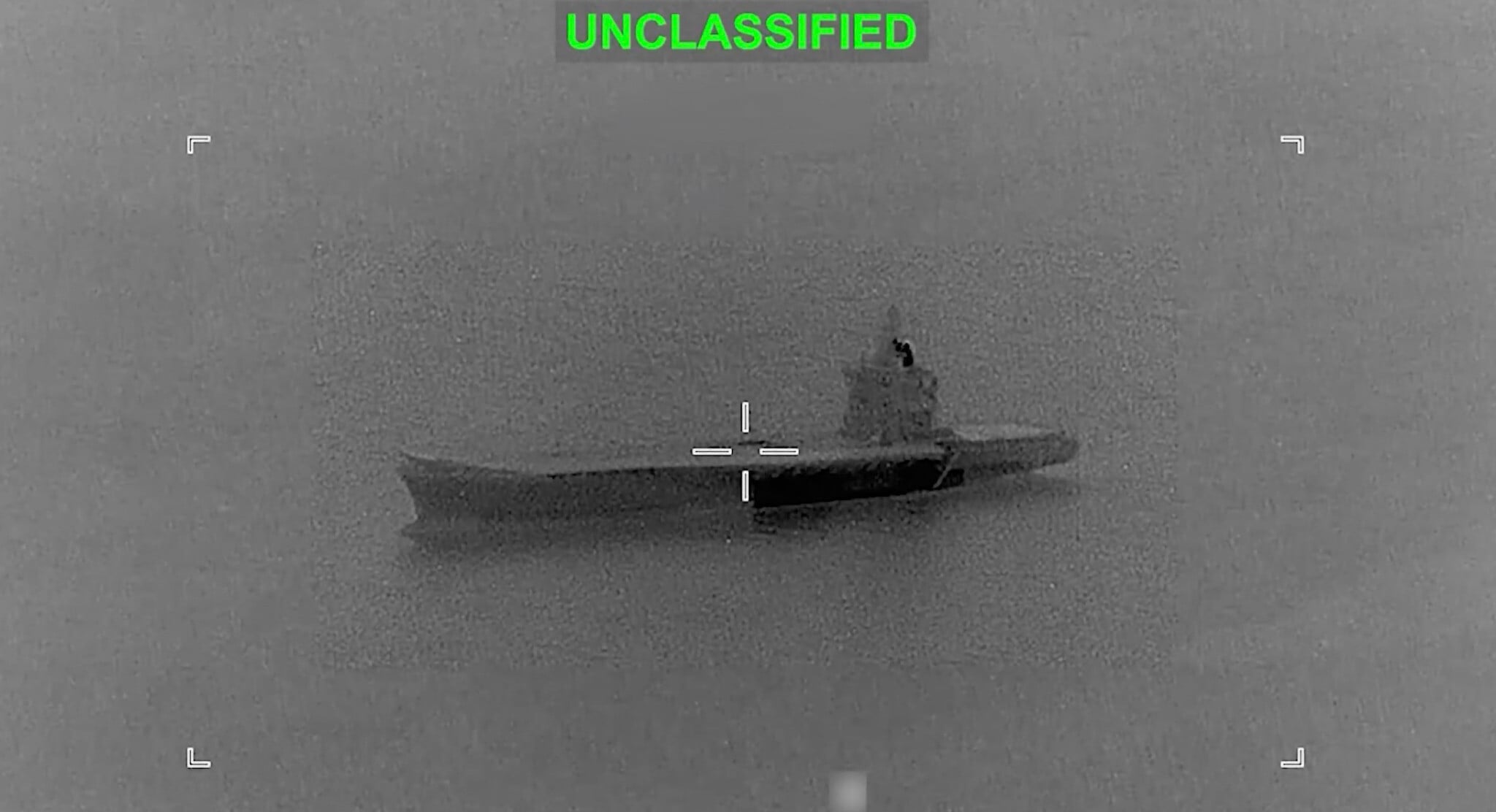
Providing further specifics on the operational achievements, Israeli military officials indicated that hundreds of Iran's above-ground missile launchers, capable of targeting Israeli population centers, have been successfully neutralized in prior engagements. This extensive targeting of visible infrastructure laid the groundwork for the current, more complex phase of the offensive. Admiral Cooper elaborated on the recent US contributions, confirming that B-2 bombers were deployed late Thursday, unleashing dozens of 2000-pound penetrator bombs. These specialized munitions were specifically aimed at deeply buried ballistic missile launchers, designed to withstand conventional attacks. Beyond these hardened targets, bombing runs also focused on Iran's missile production facilities, aiming to cripple the supply chain for future missile development. Sources familiar with the military planning, speaking to Reuters, indicated that an upcoming second phase of the air campaign would specifically target bunkers storing ballistic missiles and associated equipment, which are often located deep underground. The B-2 bombers are considered indispensable for these missions, given their unique capability to deliver the heavy, bunker-busting ordnance required to penetrate Iran's heavily fortified subterranean ballistic missile sites. Furthermore, Admiral Cooper disclosed that the US has also engaged Iranian naval assets, striking at least 30 ships, including a substantial drone carrier, underscoring the multi-domain nature of the ongoing operation.
The reported success in diminishing Iran's missile and drone capabilities, coupled with the explicit warning of an intensified offensive, carries significant strategic implications for regional dynamics. The deployment of B-2 bombers with 2000-pound penetrator bombs against deeply buried targets signals a clear intent to dismantle the core components of Iran's long-range strike capabilities, which have historically been a cornerstone of its deterrence strategy. This shift from targeting surface-level launchers to subterranean facilities suggests a comprehensive approach aimed at not just disrupting, but potentially eradicating, Iran's ability to launch large-scale missile attacks. Experts suggest that if these claims hold true, it could fundamentally alter the balance of power, reducing Iran's leverage in regional conflicts and potentially forcing a re-evaluation of its military doctrine. However, the continued, albeit reduced, missile and drone attacks indicate Iran's resilience and capacity for retaliation, suggesting that a complete cessation of hostilities remains distant. The statement by Lt. Gen. Zamir about targeting the "regime’s foundations" further implies a broader strategic goal beyond mere missile interdiction, potentially signaling an intent to undermine the very infrastructure that supports Iran's aggressive regional posture, raising questions about the ultimate scope and duration of "Operation Epic Fury."
In conclusion, the joint US-Israeli military offensive, "Operation Epic Fury," appears to have achieved significant tactical successes in degrading Iran's missile and drone capabilities, as evidenced by the reported substantial reduction in Iranian attacks and the destruction of key infrastructure. While officials from both nations have highlighted these achievements, they also maintain a cautious stance, acknowledging that the threat has not been entirely eradicated. The transition to targeting deeply buried and fortified sites with advanced weaponry like B-2 bombers underscores a determined effort to neutralize Iran's most potent long-range assets. As the operation is poised for further intensification, the international community will be closely watching for signs of Iran's response, the effectiveness of the ongoing strikes, and the broader implications for regional stability. The coming days are expected to reveal the extent of the allied forces' commitment to dismantling Iran's offensive capabilities and the potential for further escalation in this critical geopolitical standoff.