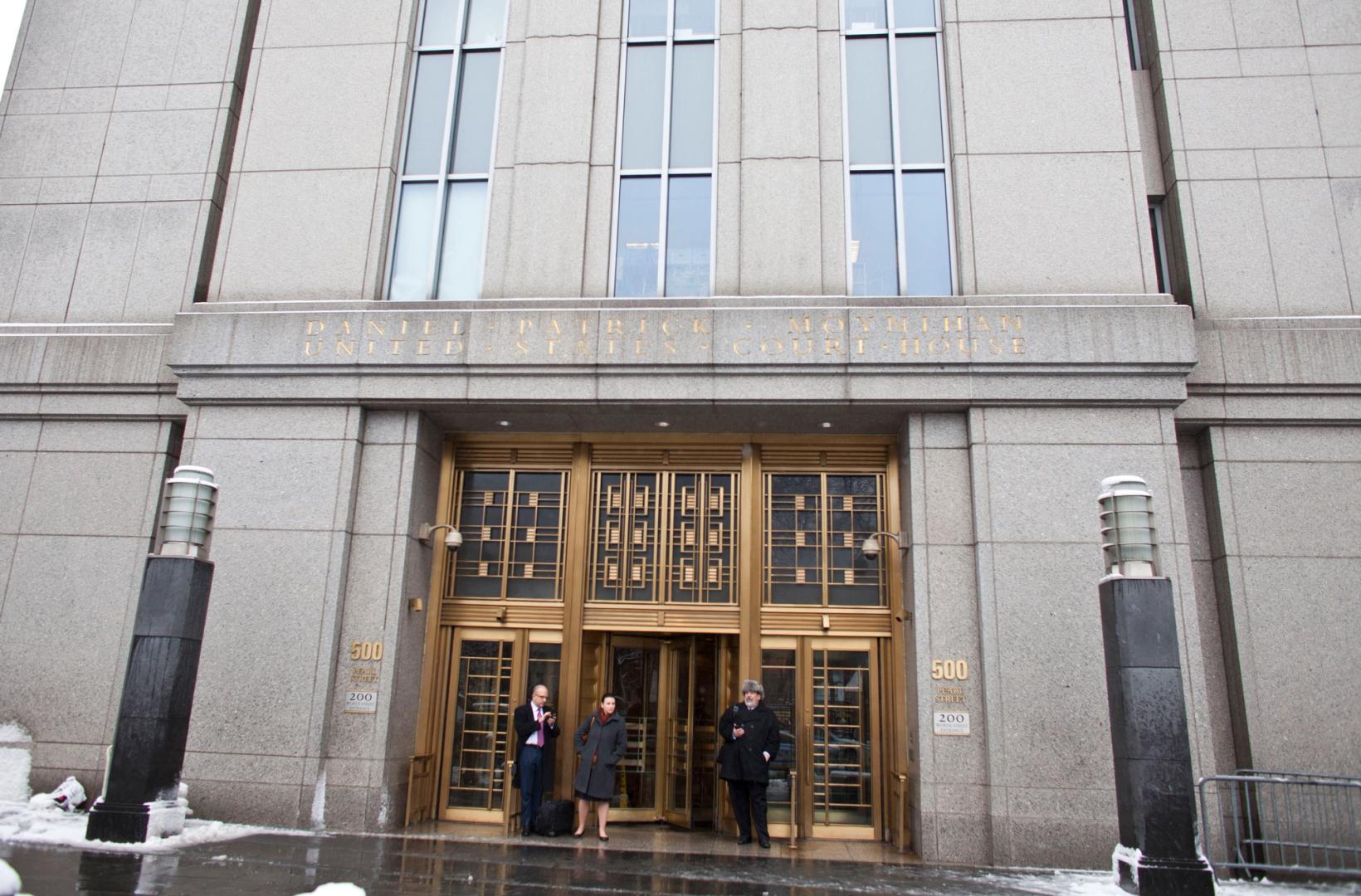
A federal court in New York has issued a temporary restraining order against BlockFills, a prominent crypto trading firm, effectively freezing its assets, including a significant amount of Bitcoin, amidst a legal challenge initiated by creditor Dominion Capital. The judicial action, which specifically targets 70.6 Bitcoin allegedly belonging to Dominion Capital, also prohibits BlockFills from transferring any assets outside the United States. This decisive move by the court, detailed in a filing reviewed by industry publications, comes in response to serious allegations of financial mismanagement, including the alleged misappropriation of client funds, commingling of assets, and the concealment of substantial operational losses. Concerns regarding BlockFills' solvency have escalated following its recent suspension of customer withdrawals, prompting Dominion Capital to seek judicial intervention to safeguard its digital assets trapped on the platform. The order mandates BlockFills to provide a comprehensive accounting of its customer funds and to segregate them, pending further legal proceedings.
The legal dispute unfolds against a backdrop of increasing scrutiny and financial strain within the cryptocurrency lending and trading sector. BlockFills, known for its institutional-grade services and reportedly backed by trading giant Susquehanna, has faced mounting pressure following a period of significant market volatility. According to a complaint filed on February 27, Dominion Capital, an investment firm, accused BlockFills of unlawfully retaining millions of dollars' worth of its crypto assets. The complaint further alleges that BlockFills engaged in the practice of mixing client funds with its own operational capital and deliberately obscured heavy financial losses incurred during the recent market downturn. These accusations gained urgency after BlockFills unilaterally halted customer withdrawals in February, a move that often signals severe liquidity issues within crypto firms. Dominion Capital's lawsuit specifically sought an asset freeze as a critical measure to protect its holdings, which the court subsequently granted.
The temporary restraining order, formally issued on March 3 by U.S. federal Judge Mary Kay Vyskocil in the U.S. District Court for the Southern District of New York, imposes strict limitations on BlockFills' operations. Beyond preventing the transfer or disposal of the contested 70.6 Bitcoin, the order explicitly bars the firm from moving any of its assets abroad, aiming to preserve them within the court's jurisdiction. Furthermore, the court has compelled BlockFills to undertake a detailed accounting of all customer funds and to ensure their strict segregation from the company's proprietary assets, a crucial step to prevent further commingling. This directive includes Dominion Capital's Bitcoin, which must be clearly separated in anticipation of a potential preliminary injunction hearing. Reports from last month indicated that BlockFills had sustained approximately $75 million in losses during the recent market downturn and was actively seeking either a buyer or emergency funding to stabilize its financial position, underscoring the severity of its current predicament.
This judicial intervention carries significant implications for BlockFills and the broader cryptocurrency industry, highlighting the growing legal risks associated with unregulated or under-regulated digital asset platforms. The asset freeze not only restricts BlockFills' operational flexibility but also casts a shadow over its ongoing efforts to secure a buyer or emergency capital, potentially complicating any rescue attempts. Experts suggest that such court orders underscore a trend towards increased legal accountability for crypto firms, particularly concerning the handling of client funds and transparency in financial reporting. The allegations of commingling assets and concealing losses resonate with past failures in the crypto space, prompting calls for more robust regulatory frameworks to protect investors. This case serves as a stark reminder of the inherent risks in the volatile digital asset market and the critical role of judicial oversight in resolving disputes and safeguarding investor interests when firms face insolvency concerns.
The temporary restraining order marks a critical juncture in the legal battle between Dominion Capital and BlockFills, with the immediate effect of securing the disputed Bitcoin and other assets. The ongoing legal process, particularly the upcoming hearing for a potential preliminary injunction, will be crucial in determining the long-term fate of BlockFills' assets and the resolution of Dominion Capital's claims. This case underscores the persistent challenges faced by cryptocurrency firms navigating market downturns and the increasing willingness of courts to intervene when allegations of financial impropriety and insolvency arise. Industry observers will closely monitor the proceedings, as the outcome could set precedents for how similar disputes involving digital assets are handled in the future, further shaping the evolving landscape of crypto regulation and investor protection.