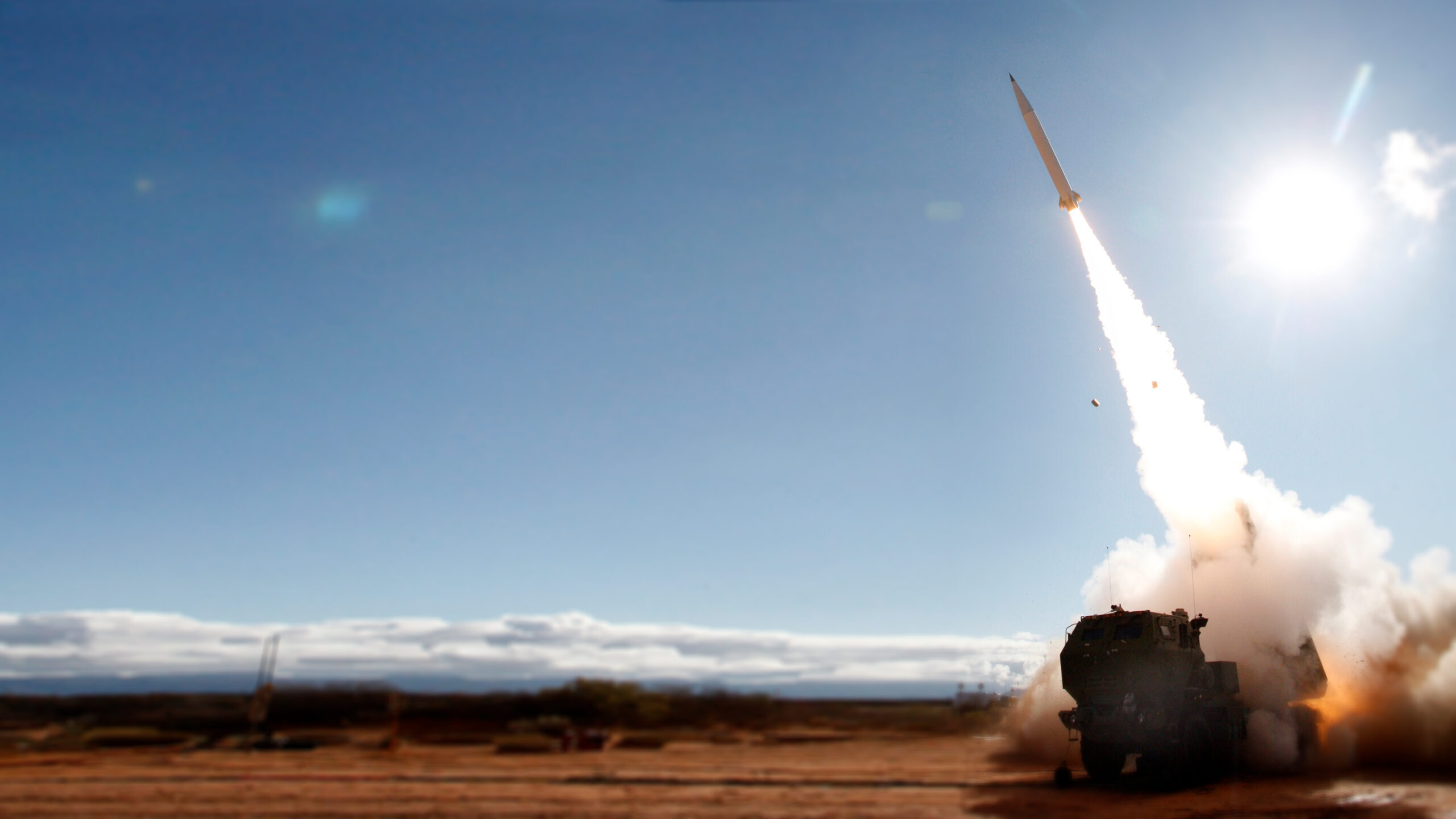
The United States Central Command (CENTCOM) has confirmed the inaugural combat deployment of the Lockheed Martin-manufactured Precision Strike Missile (PrSM), marking a significant milestone for the US Army's long-range precision fires capabilities. This historic first occurred during an operation designated 'Epic Fury,' where the advanced missiles were utilized to deliver what CENTCOM described as an unparalleled deep strike capability. According to an official statement posted on X by CENTCOM, the deployment underscores the military's commitment to leveraging innovative technologies to gain strategic advantages. The PrSM system, which was integrated into Army operations towards the close of 2023, represents a critical enhancement to the nation's defense arsenal, capable of being launched from both the M142 High Mobility Artillery Rocket System (HIMARS) and the M270A2 Multiple Launch Rocket System (MLRS). This initial combat use highlights the rapid transition of cutting-edge weaponry from development to operational readiness, signaling a new phase in modern military engagements within CENTCOM's area of responsibility.
The introduction of the PrSM into active combat operations culminates years of development aimed at modernizing the US Army's tactical missile systems. Designed as a direct successor to the aging MGM-140 Army Tactical Missile System (ATACMS), the PrSM offers enhanced range, precision, and adaptability, addressing the evolving demands of contemporary battlefields. The strategic imperative behind the PrSM program was to provide ground forces with the ability to engage targets at greater distances, thereby increasing standoff capabilities and reducing risks to personnel. This long-range precision strike capability is particularly crucial in potential high-intensity conflicts, where the ability to neutralize enemy assets deep within their territory can significantly alter the operational landscape. Lockheed Martin, as the primary developer, has been instrumental in bringing this advanced weapon system to fruition, ensuring it meets the stringent requirements for accuracy and reliability demanded by the US military.
Details surrounding the recent combat deployment indicate that the missile utilized was part of the PrSM Increment 1 program, the foundational version designed to achieve targets at distances exceeding 500 kilometers. Visual evidence accompanying CENTCOM's announcement included a video depicting a PrSM missile launching from a HIMARS unit in a desert environment, underscoring the system's operational readiness in diverse terrains. While CENTCOM did not disclose specific information regarding the targets engaged during Operation Epic Fury, officials emphasized the missile's role in 'creating dilemmas for the enemy.' Admiral Brad Cooper, the CENTCOM Commander, expressed profound pride in the service members involved, stating, "I just could not be prouder of our men and women in uniform leveraging innovation to create dilemmas for the enemy." This statement highlights the strategic value placed on technological superiority and the operational flexibility offered by the PrSM's deep strike capabilities, which can be deployed from two distinct and widely used artillery platforms.
The combat debut of the PrSM carries significant strategic implications, signaling a robust advancement in the US military's long-range fires doctrine. Military analysts suggest this deployment underscores the Pentagon's focus on developing and fielding capabilities that can deter and, if necessary, defeat peer and near-peer adversaries across vast operational theaters. The PrSM's extended range and precision enable commanders to hold high-value targets at risk from greater distances, enhancing survivability for launching units and complicating enemy defense planning. Furthermore, the future roadmap for the PrSM program promises even more sophisticated capabilities. Reports indicate that Increment 2 is slated to incorporate a multimode seeker, specifically the Land-Based Anti-Ship Missile seeker, which would significantly expand its utility to include maritime targets. Increment 3 aims to further enhance lethality through advanced payloads, ensuring the PrSM remains at the forefront of precision strike technology and continues to provide a decisive edge in future conflicts.
In conclusion, the first combat use of the Precision Strike Missile by US Central Command marks a pivotal moment for the US Army's modernization efforts and its capacity for long-range precision engagements. This deployment during Operation Epic Fury validates the PrSM's critical role as a deep strike asset, capable of delivering significant operational advantages from both HIMARS and MLRS platforms. As the PrSM program continues to evolve with planned increments for anti-ship capabilities and enhanced lethality, it is poised to remain a cornerstone of American military power, reinforcing deterrence and providing commanders with flexible, potent options across various domains. The successful combat integration of this advanced missile system sets a precedent for future technological advancements in defense and will undoubtedly be closely watched by military strategists globally.