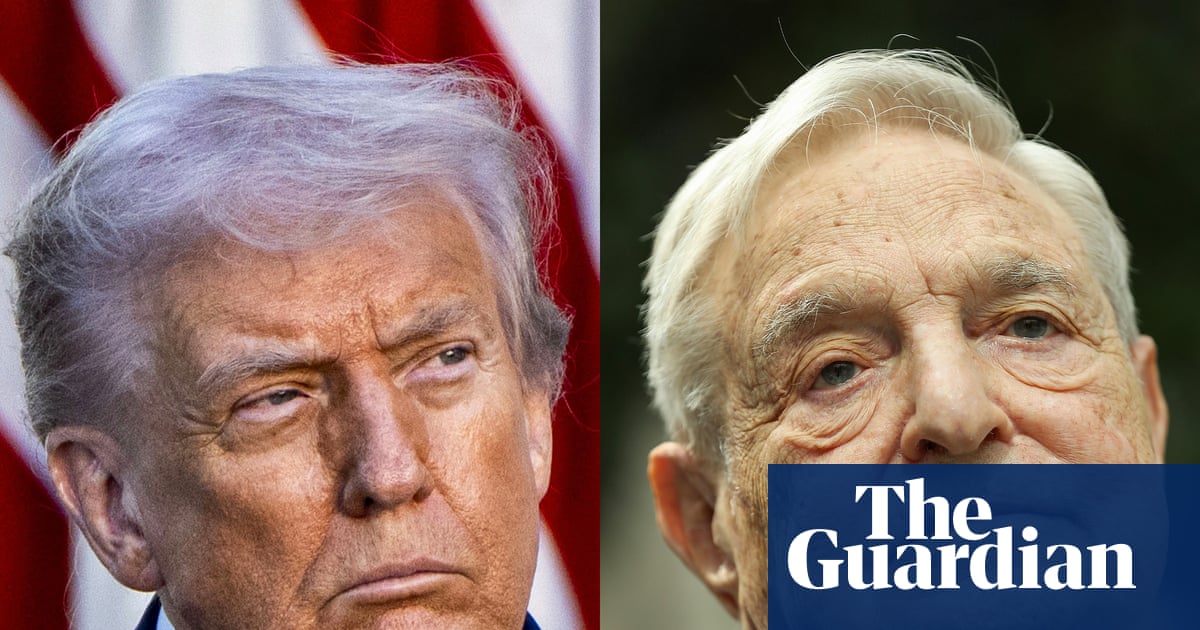
A broad coalition of American non-profit organizations is reportedly mobilizing in a unified front following recent statements from Donald Trump, who has singled out left-wing billionaire George Soros as a target for potential retribution. This move by Trump is widely interpreted as an indirect challenge to the extensive network of progressive causes and advocacy groups that receive substantial funding from Soros's Open Society Foundations (OSF). According to various reports, these organizations, spanning critical sectors from democratic governance to climate action and racial justice, are declaring their unwavering commitment to their missions, asserting they will not be deterred by political pressure. The OSF network, now overseen by Soros's son, Alex, serves as a significant financial backbone for countless initiatives globally, making Trump's remarks a direct threat to the operational independence and future endeavors of these vital civil society actors. The collective response underscores a defiant stance against what many perceive as an attempt to stifle dissent and undermine philanthropic support for progressive agendas.
George Soros, a prominent figure in global philanthropy, has long been a subject of intense scrutiny and often, a target of right-wing political rhetoric due to his substantial financial contributions to progressive causes. His Open Society Foundations (OSF) were established with the mission of building vibrant and tolerant democracies whose governments are accountable to their citizens. This vision translates into extensive grant-making across a diverse range of areas, including efforts to strengthen democratic institutions, protect voting rights, advocate for environmental sustainability, advance racial equity, support Palestinian rights, and foster higher education initiatives. Public documentation of OSF's grant-making activities reportedly illustrates the vast scale of its impact, with thousands of recipients worldwide benefiting from financial support that ranges from modest contributions to multi-million dollar grants. This deep and wide-reaching engagement has positioned Soros and OSF as a frequent lightning rod for criticism from conservative factions, who often view his philanthropic endeavors as undue influence on national and international politics, particularly in the United States.
The specific nature of Donald Trump's implied 'retribution' against George Soros and his affiliated organizations remains to be fully detailed, yet the language itself has prompted a swift and resolute reaction from the non-profit community. Organizations that depend on OSF funding, which include groups dedicated to safeguarding electoral integrity, promoting environmental policy changes, and advocating for marginalized communities, are reportedly coordinating their efforts to present a united front. Reports indicate that these groups are not merely expressing solidarity but are actively preparing to navigate potential challenges, whether they manifest as increased governmental scrutiny, public vilification campaigns, or attempts to undermine their operational capacities. The collective declaration from these non-profits, paraphrased as a refusal to be intimidated, serves as a powerful message that their commitment to their respective missions will not waver in the face of political threats. This unified stance highlights the critical role these organizations play in civil society and their determination to continue their work across the diverse sectors OSF supports.
Analysts and observers suggest that Donald Trump's targeting of George Soros and, by extension, the Open Society Foundations, carries significant implications for the landscape of philanthropy and civil society. This strategy could be interpreted as an attempt to create a chilling effect, potentially discouraging other donors and foundations from supporting causes deemed politically contentious. Experts note that such public declarations from a prominent political figure risk politicizing charitable giving, transforming independent philanthropic efforts into battlegrounds for ideological conflicts. Furthermore, this move raises questions about the future of democratic discourse and the ability of non-profit organizations to operate freely without fear of reprisal, particularly when their work challenges established power structures or advocates for societal change. The broader ramifications could extend to freedom of association and the perceived independence of civil society, potentially setting a precedent for how political administrations interact with and attempt to influence philanthropic endeavors and advocacy groups.
The ongoing tension between Donald Trump's rhetoric and the unified response from Soros-funded non-profits underscores a pivotal moment for independent philanthropy and civil society in the United States. This confrontation highlights the high stakes involved for organizations dedicated to upholding democratic principles, advancing social justice, and addressing critical global challenges. As these non-profits reportedly 'lock arms,' their collective defiance signals a firm resolve to continue their work despite political pressure. Moving forward, observers will be closely watching for any concrete actions that might follow Trump's statements, the sustained solidarity among the affected organizations, and the broader public and legal reactions to these developments. This situation serves as a stark reminder of the delicate balance between political power and the essential role of independent foundations and advocacy groups in a functioning democracy.