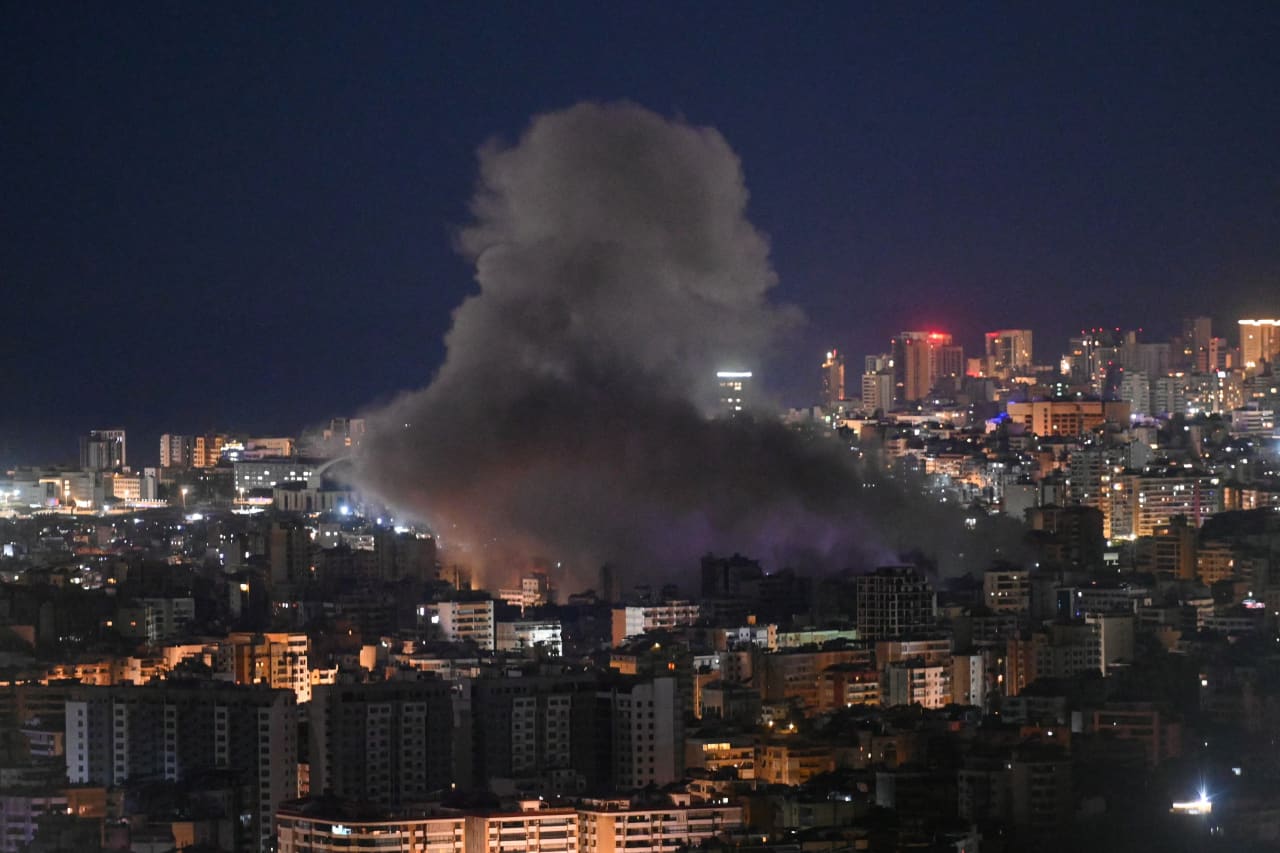
Global crude oil markets experienced significant upward momentum on Thursday, with benchmark U.S. oil prices reaching their highest point in over a year. This notable surge in energy costs, marking a significant milestone for the commodity, occurred in the wake of circulating reports alleging an attack by Iranian forces on a U.S.-flagged oil tanker operating within the strategically vital waters of the Persian Gulf. The unconfirmed nature of these claims immediately injected a substantial degree of geopolitical risk into market calculations, prompting a rapid re-evaluation of potential supply disruptions and regional stability. While official confirmation regarding the alleged incident remained pending, the mere circulation of such a report was sufficient to trigger a pronounced reaction across energy trading platforms, underscoring the extreme sensitivity of global oil supply chains to perceived threats in critical maritime passages. Investors and analysts alike closely monitored developments, anticipating further details that could either substantiate the claims or alleviate the newfound market anxieties.
The Persian Gulf region, a crucial artery for global energy transportation, has historically been a flashpoint for geopolitical tensions, directly influencing international oil prices. This latest reported incident, if substantiated, would represent a significant escalation in an already volatile area, home to the Strait of Hormuz, through which a substantial portion of the world's seaborne oil passes daily. Past instances of maritime incidents or heightened military activity in these waters have consistently led to sharp increases in crude futures, as traders price in a 'risk premium' reflecting potential disruptions to supply. The market's immediate reaction on Thursday reflects this ingrained sensitivity, drawing parallels to previous periods of instability where concerns over shipping security and the free flow of oil from major producers like Saudi Arabia, Iraq, and the UAE have driven prices upward. The long-term implications for global energy security hinge heavily on the veracity of the current reports and the subsequent diplomatic or military responses from involved parties.
The rapid ascent of U.S. oil prices to a 13-month peak highlights the profound impact that geopolitical reports, even unconfirmed ones, can have on commodity markets. According to market analysts, the initial rally was primarily driven by speculative buying and hedging activities as traders sought to protect against potential supply shocks. The absence of immediate official statements from either U.S. or Iranian authorities regarding the alleged tanker attack left a vacuum that was quickly filled by market speculation, amplifying price volatility. Energy sector experts noted that the psychological effect of a reported incident in such a critical shipping lane often outweighs the immediate physical impact, as the mere threat of disruption can trigger a significant re-pricing of risk. This dynamic underscores the interconnectedness of global politics and economics, where a single, unverified report originating from a sensitive region can send ripples across international financial markets, affecting everything from gasoline prices at the pump to the investment strategies of major funds.
Analysts are now closely examining the broader implications of this reported event, should it be confirmed, for international relations and energy policy. A verified attack of this nature could potentially lead to a significant deterioration in diplomatic ties between the United States and Iran, possibly inviting retaliatory measures or increased military presence in the region. Such an escalation would not only sustain upward pressure on oil prices but could also complicate efforts to de-escalate regional conflicts and pursue broader geopolitical stability. Expert perspectives suggest that the incident, even as a report, serves as a stark reminder of the fragile nature of global energy supply chains and the constant threat of disruption in key transit choke points. The potential for a prolonged period of heightened risk premium in oil prices is a significant concern for global economic recovery, especially as nations grapple with post-pandemic challenges and inflationary pressures.
In summary, Thursday's surge in U.S. oil prices to a more than one-year high was a direct consequence of unconfirmed reports detailing an alleged Iranian attack on a U.S. oil tanker in the Persian Gulf. This incident, while still awaiting official verification, immediately underscored the profound sensitivity of global energy markets to geopolitical instability in the Middle East. The coming days will be critical as market participants and international observers await definitive statements from relevant authorities, which will undoubtedly shape the trajectory of crude oil prices and the broader geopolitical landscape. The focus remains on the confirmation of the incident, the extent of any damage, and the subsequent responses from all involved parties, as these factors will determine the short-term volatility and long-term implications for global energy security.