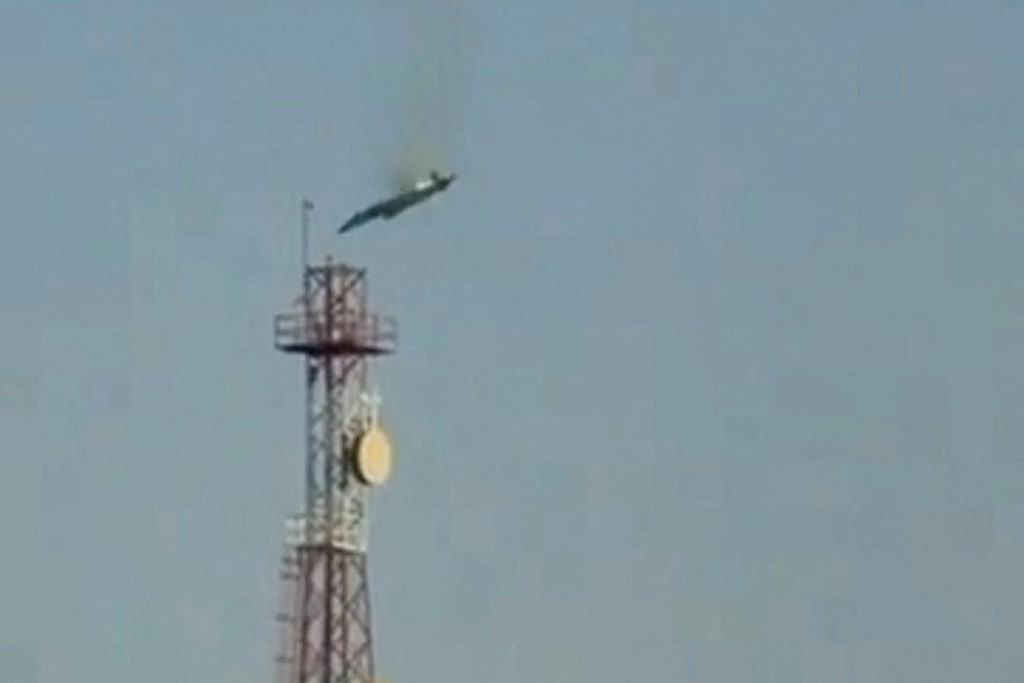
In a significant development underscoring the complexities and inherent risks of coalition military operations, Kuwaiti defense forces reportedly engaged and mistakenly downed three American combat aircraft. This grave incident of friendly fire occurred while Kuwaiti units were actively supporting a United States combat operation targeting Iran, a period characterized by heightened regional tensions and ongoing Iranian attacks, according to official statements. Crucially, reports confirm that all personnel aboard the three U.S. jets managed to safely eject from their aircraft following the engagement, averting a potentially catastrophic loss of life. The government of Kuwait has acknowledged its forces were responsible for accidentally striking the American planes, an admission that comes amidst a delicate geopolitical climate in the Persian Gulf region. This unforeseen event highlights the immense challenges faced by allied forces operating in dynamic and hostile environments, where rapid decision-making under pressure can lead to tragic miscalculations.
The incident unfolds against a backdrop of persistent instability and strategic competition in the broader Middle East, particularly concerning Iran. The United States maintains a substantial military presence and robust alliances across the Persian Gulf, with Kuwait serving as a critical partner and host nation for various U.S. forces and operations. This long-standing cooperation is often geared towards maintaining regional security and deterring aggression, especially from actors perceived as destabilizing, such as Iran. The 'U.S. combat operation in Iran,' during which this friendly fire incident transpired, points to an active phase of military engagement, likely in response to or in anticipation of 'Iranian attacks' as indicated by reports. Such operations frequently involve complex air defense networks, multiple allied air assets, and a high-stress operational tempo, all factors that can unfortunately contribute to errors in identification and engagement, even among closely allied forces. The strategic importance of the region, coupled with the intricate nature of modern warfare, makes incidents of this kind a constant, albeit regrettable, possibility.
Further details emerging from the incident confirm that the three American jets were downed during what officials described as an accidental engagement by Kuwaiti forces. While specific types of aircraft or the exact location of the downing have not been publicly disclosed, the fact that three aircraft were involved suggests a significant operational event. The successful and safe ejection of all crew members represents a critical positive outcome in an otherwise serious mishap, underscoring the effectiveness of modern aircraft safety systems and rapid response protocols. Such incidents typically trigger immediate and extensive investigations, often jointly conducted by the involved nations, to ascertain the precise sequence of events, identify contributing factors, and implement measures to prevent future occurrences. These probes usually examine communication protocols, identification friend or foe (IFF) systems, rules of engagement, and the training and readiness levels of the personnel involved. Kuwait's prompt acknowledgement of its forces' role is a crucial step towards transparency and managing the diplomatic fallout from such a sensitive event.
The accidental downing of allied aircraft carries significant implications, both operationally and diplomatically. While the 'friendly fire' designation and Kuwait's acknowledgement may mitigate immediate tensions, the incident will undoubtedly prompt a thorough review of joint operational procedures between the U.S. and Kuwaiti militaries. Experts suggest that such events highlight the inherent difficulties of integrating diverse air defense systems and command structures, especially in a high-threat environment where rapid identification of targets is paramount. This incident could lead to enhanced training exercises, stricter communication protocols, and potentially upgrades to identification technologies to prevent similar occurrences in the future. Furthermore, it underscores the broader challenges of maintaining a united front against regional adversaries like Iran, where missteps among allies can inadvertently complicate strategic objectives and potentially be exploited by opposing forces. Analysts will be closely watching how this event impacts the ongoing U.S. combat operation and the resilience of the U.S.-Kuwaiti defense partnership.
In summary, the accidental downing of three American jets by Kuwaiti forces during a U.S. combat operation against Iran represents a stark reminder of the perils inherent in modern coalition warfare. While the safe ejection of all crew members is a relief, the incident itself necessitates a comprehensive examination of operational coordination and communication between allied forces. Kuwait's swift acknowledgement of responsibility is a vital step in addressing the mishap and preserving the strong bilateral defense relationship with the United States. As investigations proceed, the focus will undoubtedly be on understanding the precise circumstances that led to this friendly fire incident and implementing robust measures to prevent its recurrence. The event also serves to underscore the volatile nature of the Persian Gulf region, where ongoing tensions and active combat operations demand the utmost precision and coordination from all involved parties to avoid unintended consequences.