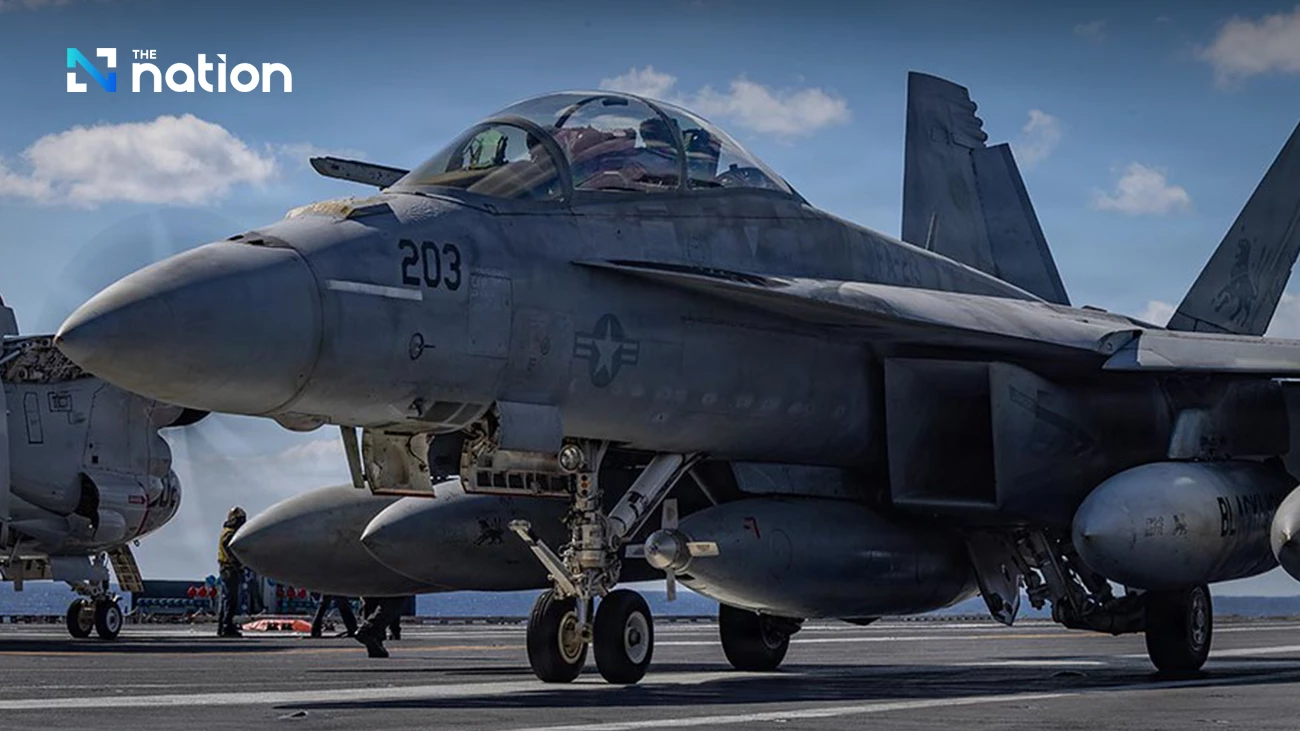
The United States Department of Defense, commonly known as the Pentagon, is reportedly making extensive preparations for a sustained military operation targeting Iran, a campaign that intelligence assessments as of Sunday, March 1, suggest could extend over several weeks. This development signals a notable strategic reorientation, moving away from the concept of a brief, limited strike towards a more comprehensive and systematic effort aimed at dismantling critical elements of Iran's security and nuclear infrastructure. According to reports from reputable news organizations like Reuters and CNN, the proposed military plan, internally designated as "Operation Epic Fury," is envisioned not as a rapid, hours-long engagement but rather as a carefully orchestrated sequence of escalating strikes, interspersed with periods dedicated to assessing battle damage. This methodical approach is intended to ensure the thorough destruction of designated targets. Concurrently, the United States has initiated a substantial deployment of military personnel and hardware into the Middle Eastern region, a build-up that analysts are characterizing as the most significant since the 2003 invasion of Iraq, underscoring the gravity and scale of the potential undertaking.
This substantial military build-up in the Middle East, described by observers as unprecedented in scale since the 2003 Iraq conflict, provides crucial context for the Pentagon's evolving strategy. The shift from a quick, surgical strike to a protracted, systematic campaign represents a fundamental change in approach, reflecting a deeper commitment to achieving long-term objectives. Previously, discussions often centered on the possibility of isolated punitive actions; however, current intelligence indicates a move towards a sustained series of engagements designed to methodically degrade Iranian capabilities. This operational framework, involving alternating periods of strikes and detailed battle damage assessments, underscores a deliberate strategy to ensure the effectiveness of each phase before proceeding. Furthermore, officials have indicated that this extensive operation has been the subject of joint planning for several months, involving close collaboration between the United States, Israel, and various Arab allies, a clear indication of a unified regional front preparing for what is anticipated to be a severe retaliatory response from Iran.
The scope of "Operation Epic Fury" extends far beyond Iran's nuclear program, encompassing a broad array of strategic targets designed to cripple Tehran's military and security apparatus. According to detailed reports, the primary objectives include not only established nuclear facilities but also critical command centers belonging to the Islamic Revolutionary Guard Corps (IRGC), extensive stockpiles of unmanned aerial vehicles (drones), and the nation's comprehensive air-defense systems. This multi-faceted targeting strategy aims to systematically dismantle key components of Iran's military capabilities across the country. President Donald Trump has publicly affirmed the administration's resolve, stating that the operation would persist "for as long as necessary" to achieve its overarching goal of permanently eliminating the Tehran government's missile and nuclear capabilities. A senior official, speaking to the media, further confirmed the extensive, months-long planning process, highlighting the collaborative efforts between the United States, Israel, and specific Arab allies in anticipation of potential Iranian counteractions, emphasizing the comprehensive nature of the preparations.
The implications of a weeks-long military operation against Iran, as outlined by intelligence reports, are profound and far-reaching, potentially reshaping the geopolitical landscape of the Middle East. A systematic campaign of this magnitude, characterized by escalating strikes and pauses for assessment, suggests a commitment to a comprehensive degradation of Iran's military and nuclear infrastructure, rather than merely a symbolic show of force. Analysts suggest that such a sustained effort could lead to significant instability in an already volatile region, with the "expected severe Iranian retaliation" potentially manifesting in various forms, including proxy attacks, cyber warfare, or direct military responses against US assets or allies. The long-term objective of permanently eliminating Iran's missile and nuclear capabilities, as articulated by President Trump, signifies a strategic ambition that goes beyond deterrence, aiming for a fundamental alteration of Iran's regional power projection. The involvement of Israel and certain Arab allies in the planning phases also points to a broader regional consensus on the perceived threat posed by Tehran, potentially solidifying new alliances while exacerbating existing tensions.
In summary, the United States appears to be on the precipice of a significant military engagement in the Middle East, with the Pentagon reportedly preparing for a multi-week operation against Iran, codenamed "Operation Epic Fury." This represents a critical strategic shift from limited strikes to a systematic campaign, backed by the largest US force deployment since the 2003 Iraq invasion. With targets ranging from nuclear facilities to IRGC command centers and air defenses, and President Trump vowing to continue "for as long as necessary," the potential for a protracted conflict and severe Iranian retaliation looms large. The coming weeks will be crucial in observing the unfolding dynamics of this highly anticipated and potentially transformative military undertaking, with regional and global implications. All eyes will be on the diplomatic and military developments as the situation evolves.