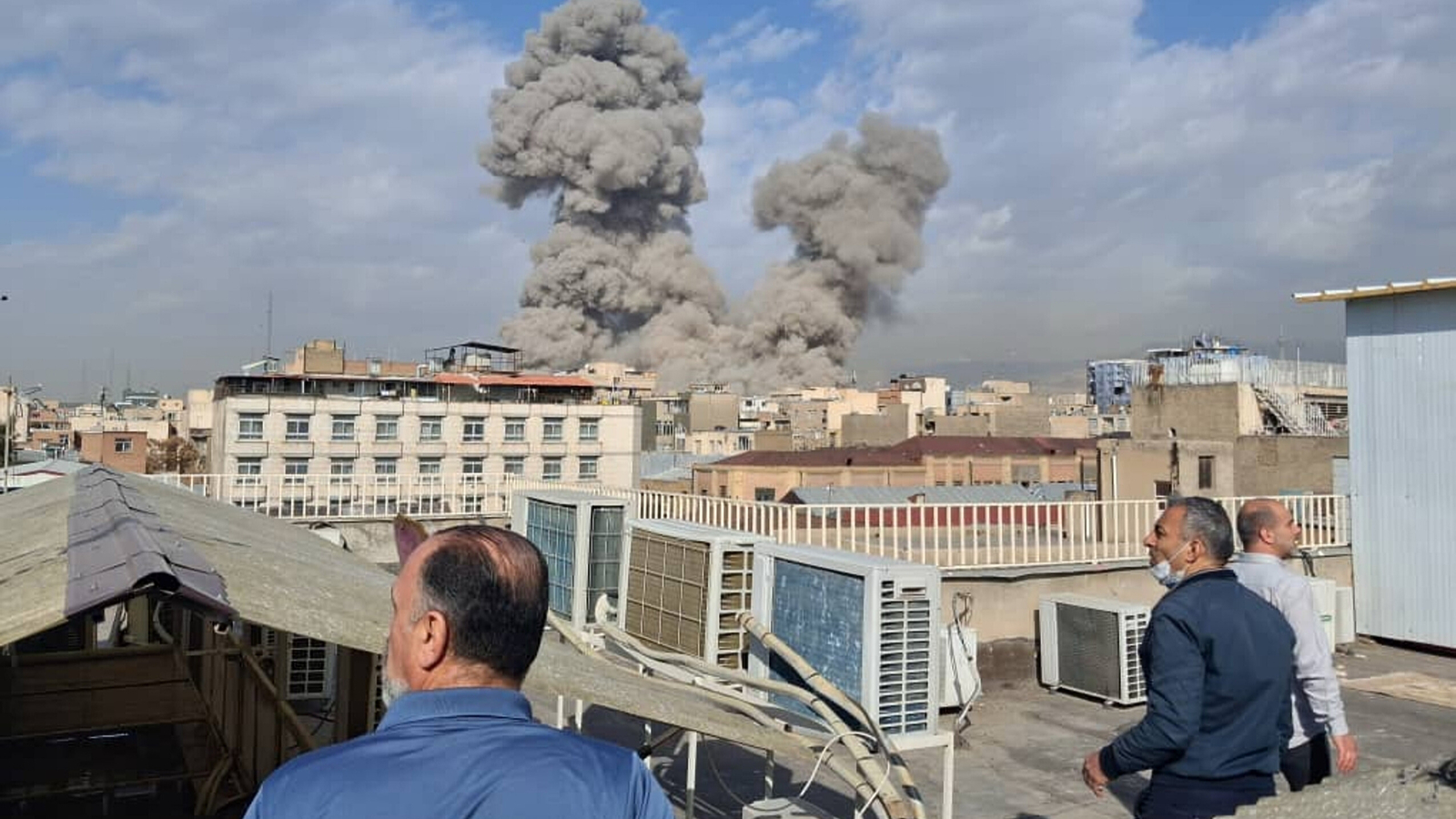
The United States, in conjunction with its international partners, launched a series of coordinated military strikes against various targets within Iran, commencing in the early hours of the morning at approximately 1:15 AM Eastern Time. This significant operation, as detailed in the inaugural public statement from U.S. Central Command (CENTCOM) since the commencement of hostilities, is reportedly aimed at systematically dismantling the security apparatus of the Iranian government. Officials indicated a strategic focus on locations deemed to pose an immediate and credible threat to regional stability and U.S. interests. Among the identified targets were critical facilities belonging to the Islamic Revolutionary Guard Corps (IRGC), including their command and control centers, various Iranian air defense systems, sites designated for launching missiles and unmanned aerial vehicles, and several key military airfields. CENTCOM's initial assessment also reported no American fatalities or combat-related injuries resulting from the operation, with damage to U.S. installations described as minimal and without any reported impact on ongoing operational capabilities. This concerted action marks a significant escalation in regional tensions, with the stated goal of degrading Tehran's military capabilities.
This joint military action unfolds against a backdrop of heightened regional tensions, with the stated objective of weakening the Iranian regime's security infrastructure. The decision to target the Islamic Revolutionary Guard Corps (IRGC) is particularly notable, given its central role in Iran's military and political landscape, often described as the primary instrument for projecting Iranian influence and carrying out its strategic objectives both domestically and abroad. By focusing on IRGC command and control facilities, the operation appears designed to disrupt the organization's leadership and operational coherence. Furthermore, the inclusion of Iranian air defense capabilities, missile and drone launch sites, and military airfields among the targets underscores an intent to degrade Tehran's ability to project power and defend its assets, particularly those involved in potential offensive actions. The justification provided by U.S. Central Command, emphasizing the prioritization of locations posing an 'imminent threat,' suggests a preemptive or responsive measure to perceived immediate dangers, though the specific nature of these threats was not detailed in the initial statement. This broad targeting strategy indicates a comprehensive effort to diminish key components of Iran's military capacity.
The scope of the coordinated strikes, as outlined by U.S. Central Command, encompasses a wide array of strategic assets crucial to Iran's military operations. Targeting the Islamic Revolutionary Guard Corps' command and control infrastructure is a direct attempt to sever the lines of communication and decision-making vital for the organization's effectiveness. Disrupting these facilities could significantly impede the IRGC's ability to coordinate its various units and respond to external pressures. Furthermore, the reported strikes on Iranian air defense systems aim to diminish Tehran's capacity to protect its airspace and critical installations, potentially opening pathways for future aerial operations if deemed necessary. The inclusion of missile and drone launch sites is particularly significant, addressing a key component of Iran's asymmetric warfare capabilities, which have been increasingly utilized in regional proxy conflicts. Military airfields, also among the targets, are essential for the deployment and sustainment of air power. According to CENTCOM Commander Admiral Brad Cooper, the President authorized "bold action," and American service members from various branches are "answering the call," signaling a resolute commitment to the operation. Crucially, CENTCOM affirmed that there have been no reports of American fatalities or combat-related injuries, and any damage sustained by U.S. installations was minimal, ensuring that operational capabilities remain unimpaired. This comprehensive targeting strategy reflects a deliberate effort to degrade multiple facets of Iran's military strength.
The stated objective to "dismantle the Iranian regime's security apparatus" carries profound implications for regional dynamics and future U.S.-Iran relations. Analysts suggest that such an ambitious goal goes beyond mere deterrence or punitive strikes, indicating a strategic shift towards a more aggressive posture aimed at fundamentally altering Iran's military capabilities. By focusing on the Islamic Revolutionary Guard Corps' command and control, the operation seeks to decapitate the organization's leadership structure, potentially leading to disarray within its ranks and hindering its ability to orchestrate regional activities. Degrading Iran's air defense capabilities could significantly reduce its capacity to protect its strategic assets and project power, while neutralizing missile and drone launch sites directly addresses a primary means by which Iran and its proxies exert influence and threaten shipping lanes or neighboring countries. Experts will be closely watching for the immediate operational impact on the IRGC and Iran's broader military, as well as any retaliatory actions Tehran might undertake. This strategy, if sustained, could reshape the balance of power in the Middle East, but also carries inherent risks of escalation, potentially drawing more regional actors into the conflict. The long-term effectiveness of such a strategy will depend on its execution and the subsequent political and military responses from all involved parties.
In summary, the United States, alongside its partners, has initiated a substantial military operation against Iran, targeting key components of its security infrastructure, including IRGC command centers, air defenses, and missile/drone sites. Launched at 1:15 AM ET, these strikes, as confirmed by U.S. Central Command, are explicitly designed to dismantle the Iranian regime's security apparatus, with a focus on mitigating imminent threats. While the operation has reportedly caused no American casualties and minimal damage to U.S. facilities, its strategic implications are far-reaching. The coming days will be critical in observing Iran's response to these coordinated attacks and assessing the immediate impact on its military capabilities. The international community will be closely monitoring for any signs of de-escalation or, conversely, a further intensification of hostilities, as the region grapples with the fallout of this significant military intervention. The success of this operation in achieving its stated objective of dismantling Iran's security apparatus remains a developing story with profound geopolitical consequences.