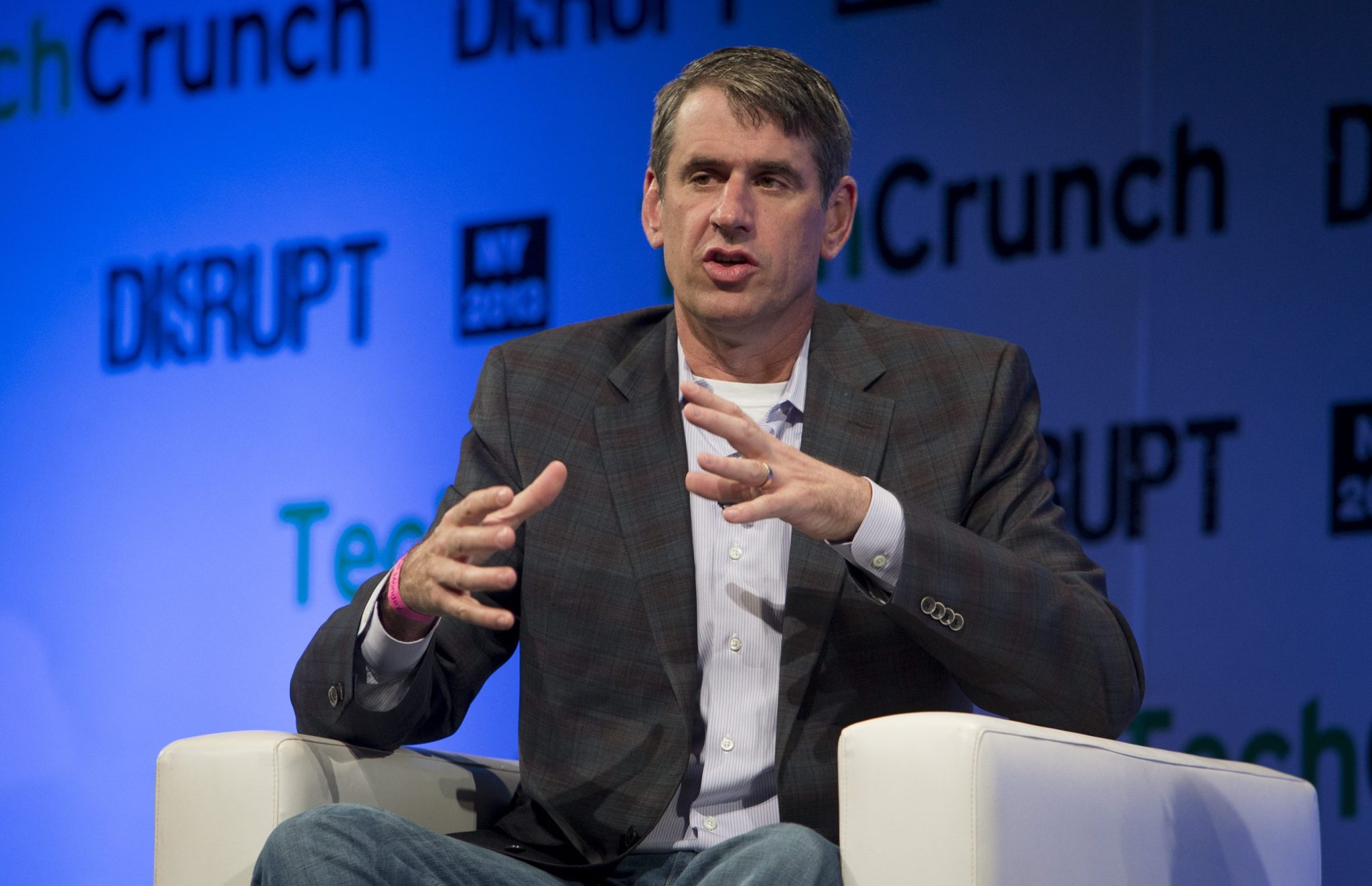
Prominent venture capitalist Bill Gurley, a general partner at Benchmark Capital and an early investor in companies like Uber and Zillow, has issued a stark warning to professionals regarding the rapid impact of artificial intelligence on the global workforce. According to recent statements made during an appearance on the 'On with Kara Swisher' podcast, Gurley suggests that individuals who have historically pursued conventional career trajectories, often guided by the promise of stable, high-paying roles through elite education, are now particularly vulnerable to AI-driven automation. He emphasized the unprecedented speed and nature of this technological shift, noting that it is targeting job sectors previously considered immune to such widespread disruption. Gurley articulated that this swift evolution is generating considerable apprehension across various industries, indicating that the genie of AI's transformative power cannot easily be put back into the bottle. His insights underscore a critical juncture for millions of workers navigating an increasingly automated professional landscape.
For generations, the prevailing wisdom in professional development has centered on the idea that academic achievement, particularly through attendance at prestigious universities, served as a reliable pathway to secure and financially rewarding careers. This established 'college conveyor belt' model often steered individuals towards roles perceived as stable and lucrative, such as those in law or software engineering. However, Gurley highlights that within a remarkably short timeframe, artificial intelligence has fundamentally altered this understanding, rapidly encroaching upon the very office-based positions that were once considered safe havens. This technological advancement is not merely augmenting human capabilities but is actively taking over tasks, leading to significant anxiety among the workforce. The venture capitalist's observations challenge the long-held assumption that a traditional educational background inherently guarantees a protected professional future, signaling a profound shift in the foundational tenets of career planning and job security.
Delving deeper into the implications of this disruption, Gurley expressed skepticism regarding the efficacy of potential governmental responses, such as implementing extensive AI regulations or orchestrating large-scale workforce reskilling initiatives. He posits that the sheer pace and scope of AI's integration make such broad interventions challenging to execute effectively. Instead, Gurley's counsel to professionals facing this evolving landscape centers on personal agency and intrinsic motivation. He specifically warned that individuals who are merely 'sitting idly' in their positions, lacking a genuine passion or 'purpose' for their work, are most susceptible to being displaced. Gurley elaborated that those who followed the conventional 'college conveyor belt' in pursuit of a 'safe job,' ultimately finding themselves functioning as a 'widget or a cog' in an industry they don't truly love, are 'ripe for disruption.' He advocates for a proactive approach, encouraging workers to 'craft their own career path,' meticulously tailoring it to their unique skill sets and interests.
The broader implications of Gurley's analysis extend beyond individual career choices, touching upon the very structure of the modern economy and educational systems. His perspective suggests that the traditional value proposition of certain degrees and professional certifications may be diminishing as AI redefines the demand for human skills. Experts in workforce development might interpret Gurley's call for 'purpose' and 'crafting one's own career' as an urgent mandate for lifelong learning and adaptability, emphasizing soft skills like critical thinking, creativity, and emotional intelligence that are harder for AI to replicate. Furthermore, his skepticism about government's ability to 'put it back in the bottle' or orchestrate massive reskilling efforts raises questions about societal safety nets and the potential for increased economic inequality if large segments of the population are displaced without adequate support or new opportunities. This perspective underscores a future where personal initiative and a deep understanding of technological trends become paramount for professional survival and advancement.
In conclusion, Bill Gurley's insights serve as a critical wake-up call for the global workforce, highlighting that the era of predictable career paths based on traditional education is rapidly drawing to a close due to the pervasive influence of artificial intelligence. His core message emphasizes that genuine investment in one's profession and a proactive approach to career development are no longer optional but essential for navigating this new landscape. For those unable to pivot into entirely new sectors or become self-employed, Gurley advises leveraging AI as 'jet fuel'—understanding its capabilities within one's industry and striving to be the most 'AI aware' individual in their role, thereby becoming indispensable. As AI continues to reshape industries, the ability to adapt, innovate, and cultivate a deep, purpose-driven connection to one's work will be the defining factors for professional resilience and success in the years to come.