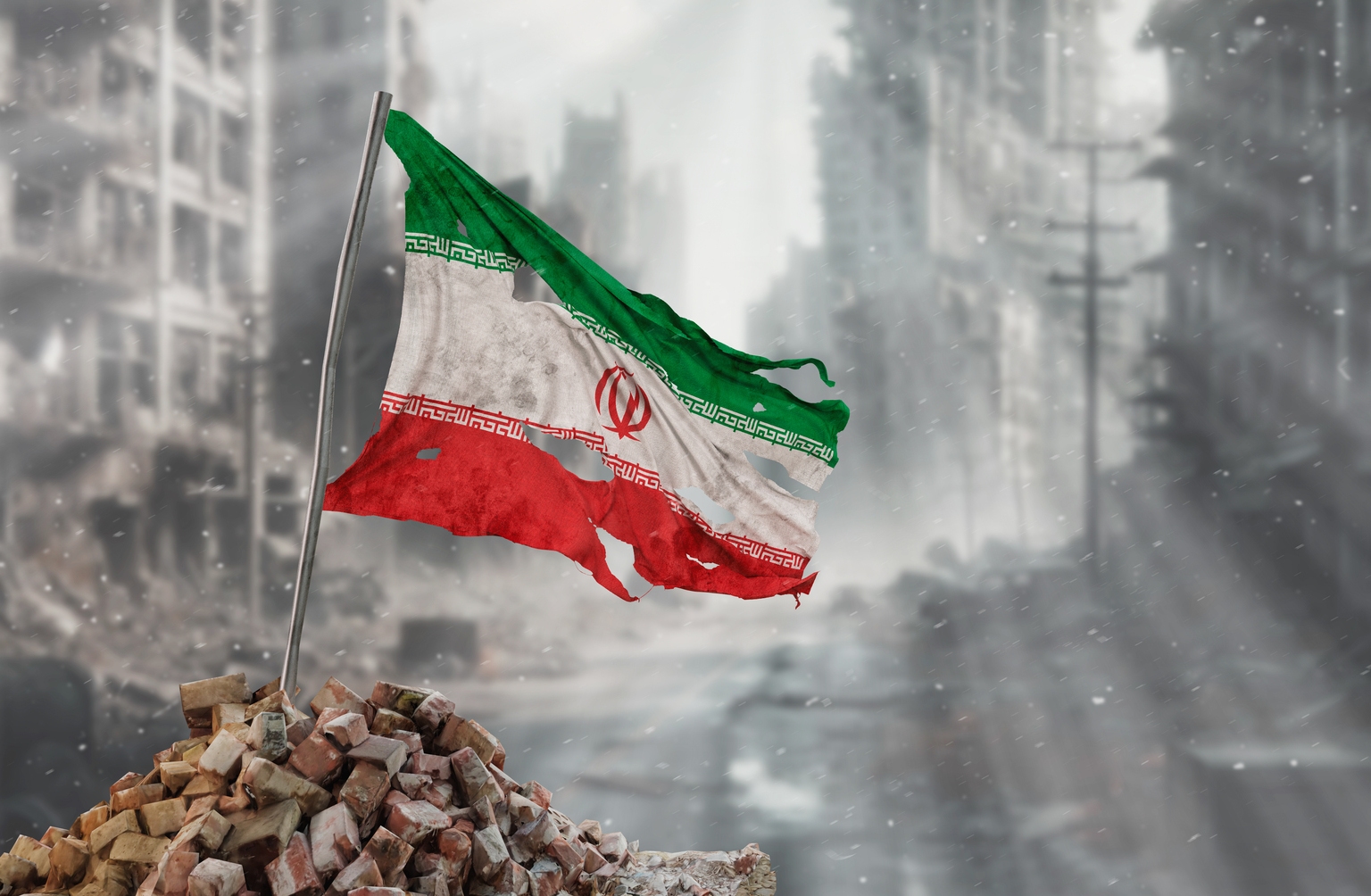
Global financial markets are poised for significant upheaval as reports confirm that the United States and Israel conducted coordinated strikes against Iran on Saturday, resulting in the deaths of Supreme Leader Ayatollah Ali Khamenei and several other prominent leadership figures. This dramatic escalation has prompted a swift and severe response from Iran's Revolutionary Guard, which declared on Sunday its intent to launch "the most-intense offensive operation" ever witnessed, specifically targeting Israeli interests and U.S. military installations across the Middle East. With markets closed over the weekend, analysts and traders are bracing for a volatile opening on Monday, with particular attention focused on the trajectory of crude oil and gold prices. President Donald Trump, while issuing a stern warning of overwhelming retaliation should American forces be attacked, also indicated a willingness to engage in dialogue with Iran's new leadership, according to statements made to The Atlantic, suggesting a complex diplomatic landscape alongside the military confrontation. The immediate aftermath of these events has already seen regional markets react sharply, signaling broader economic repercussions.
The weekend's military actions represent a critical turning point in the long-standing tensions between Iran and its adversaries, fundamentally reshaping the geopolitical calculus of the Middle East. The elimination of Supreme Leader Ayatollah Ali Khamenei, a figurehead of immense religious and political authority, marks an unprecedented blow to Iran's established power structure and is expected to trigger a period of profound uncertainty and potential instability within the nation. Iran's Revolutionary Guard's pledge for an unparalleled retaliatory campaign underscores the gravity of the situation, signaling a direct threat to regional stability and the safety of international assets. This development comes against a backdrop of persistent friction and proxy conflicts in the region, with the U.S. maintaining a significant military presence. The dual message from President Trump—combining a robust deterrent with an offer of talks—highlights the delicate balance the international community faces in managing the crisis, attempting to de-escalate while preparing for potential further conflict. The global economic system, particularly energy markets, is highly sensitive to such geopolitical shocks in a region critical for global oil supply.
Market analysts are forecasting substantial movements in commodity prices as trading resumes. According to projections from the market analytics platform Polymarket, there is a 93% probability that West Texas Intermediate (WTI) crude oil will experience an upward trend on Monday. Furthermore, the platform indicates a 77% likelihood that oil prices will exceed $80 per barrel by the close of March, a significant increase of more than 19% from its current standing at approximately $67.02 per barrel and a 27 percentage point jump in probability since before the weekend's events. There is also a 50% chance that crude could climb above $90 per barrel by the end of the month's final trading day. Concurrently, gold-linked cryptocurrency tokens, often seen as a bellwether for traditional gold markets, implied an opening surge for gold, anticipating price increases of roughly 1% to 2% compared to Friday's closing figures. While OPEC+ recently agreed to boost its output by 206,000 barrels per day in April, a larger increase than previous monthly adjustments, analysts suggest this volume may be insufficient to offset potential supply disruptions arising from intensified Middle Eastern hostilities. Regional stock markets have already shown signs of distress, with Saudi Arabia's main index dropping 2.2%, its steepest single-day decline since April, erasing its year-to-date gains, though partially offset by a rise in Saudi Aramco shares. Egypt's primary stock gauge also registered a 2.5% decrease.
The anticipated rally in oil and gold prices reflects a classic market response to heightened geopolitical risk and uncertainty, with investors typically flocking to perceived safe-haven assets. Gold, historically a store of value during times of instability, and oil, directly impacted by supply concerns in a major producing region, are expected to see sustained demand. The scale of the projected price increases underscores the market's assessment of the severe potential for disruption. While the OPEC+ decision to increase output aims to stabilize global supply, the modest nature of the boost, especially when weighed against the possibility of significant regional conflict, suggests it may offer limited comfort if the situation deteriorates. The dual stance from President Trump—warning of retaliation while also opening a channel for dialogue—introduces a layer of complexity, indicating that while military options are on the table, diplomatic solutions are also being explored. The coming days will be crucial in determining whether the rhetoric translates into further military action or if a path towards de-escalation can be forged by the new Iranian leadership. Separately, the upcoming February jobs report, expected to show a rise of approximately 60,000 nonfarm payrolls and a steady unemployment rate of 4.3%, will also contribute to market sentiment, though likely overshadowed by the geopolitical developments.
In conclusion, the recent U.S. and Israeli strikes against Iran, leading to the death of its Supreme Leader and subsequent vows of unprecedented retaliation from Tehran, have plunged the Middle East into a new phase of intense geopolitical risk. Global markets, particularly commodities like oil and gold, are bracing for significant upward price adjustments as a direct consequence of this escalating instability. While President Trump has signaled a willingness to engage with Iran's new leadership, the immediate threat of a major offensive operation from Iran's Revolutionary Guard against U.S. and Israeli targets looms large, promising a period of extreme volatility. Investors and policymakers alike will be closely monitoring the unfolding events, including any retaliatory actions from Iran, the international community's diplomatic efforts, and the responses of global energy suppliers like OPEC+. The coming weeks are set to test the resilience of global supply chains and the stability of international relations, with the potential for far-reaching economic and political implications.