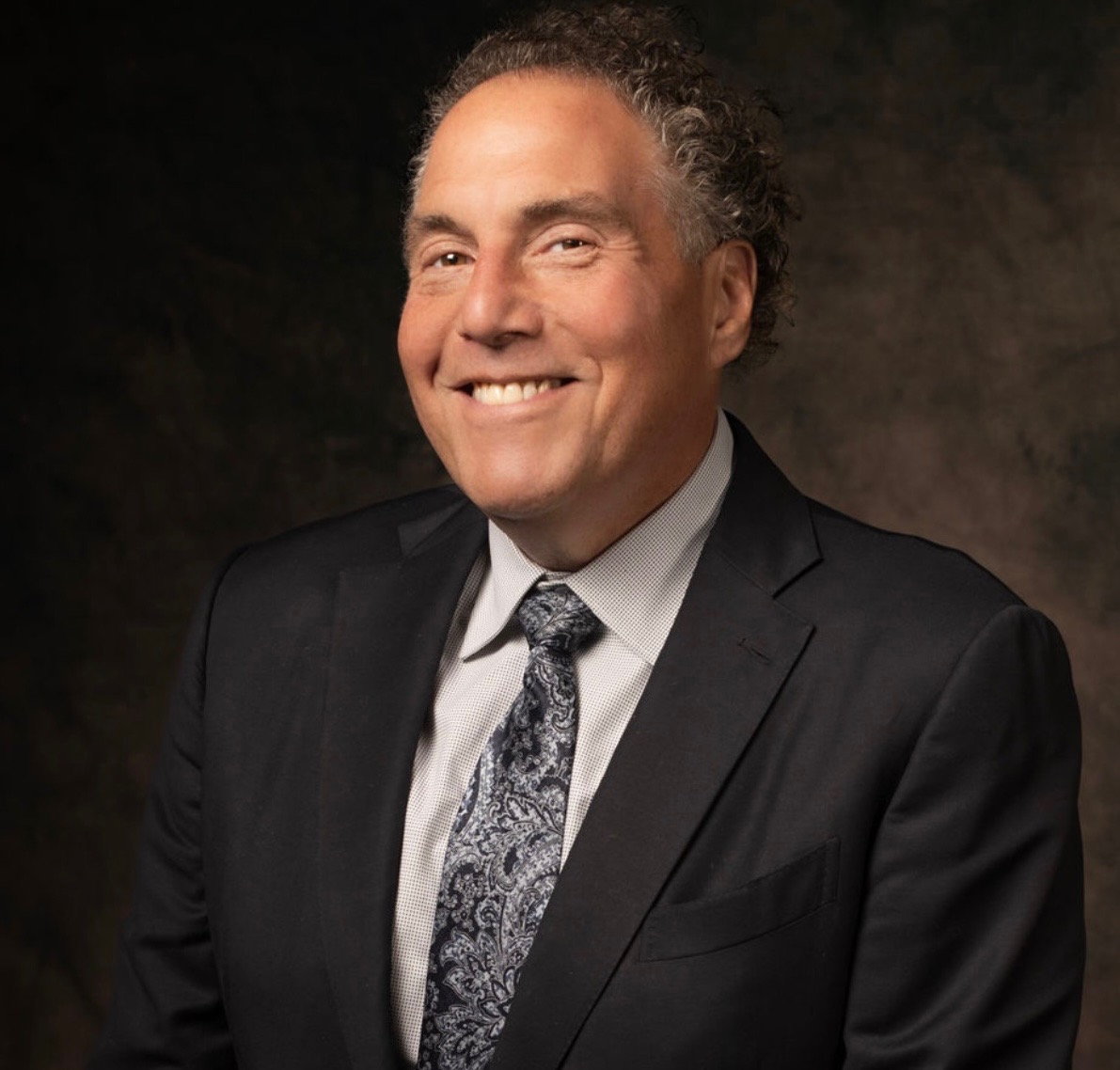
Jeff Warshaw, the Chief Executive Officer of Connoisseur Media, has escalated his legal confrontation with Soros Fund Management (SFM) and its executive, Michael Del Nin. In a recent development, Warshaw submitted a comprehensive 37-page opposition document, directly challenging SFM's efforts to have his lawsuit dismissed. At the core of Warshaw's allegations, as detailed in his filing, is the assertion that SFM deliberately attempted to keep an alleged verbal agreement confidential. This purported arrangement, according to Warshaw, stipulated that he would either be appointed as the Chief Executive Officer of Audacy, a prominent media entity, or receive a 5% share of the fund's profits generated from its acquisition of Audacy's debt. The dispute centers on the fund's alleged actions to maintain the secrecy of this understanding, despite Warshaw's crucial role in identifying and facilitating the Audacy opportunity for SFM. This significant legal maneuver is unfolding in Washington, D.C., as Warshaw steadfastly resists SFM's legal strategy to bypass a full trial on these substantial corporate claims.
The genesis of this ongoing legal dispute traces back to a pivotal interaction on October 27, 2023. According to Warshaw's account detailed in the legal documents, it was on this date that he initially presented the potential Audacy debt acquisition to Michael Del Nin of Soros Fund Management. Warshaw's filing further elaborates that he explicitly communicated his willingness to introduce this potentially lucrative opportunity to Del Nin and SFM, despite being engaged in discussions with other investment firms that could have pursued the same deal. Crucially, Warshaw asserts that he made it unequivocally clear that any progression would necessitate a formal agreement guaranteeing him compensation, particularly if SFM ultimately profited from the deal without him assuming the CEO role at Audacy. This initial conversation, Warshaw claims, concluded with Del Nin's verbal assent to these specific terms. The broader significance of this alleged verbal pact lies in its potential ramifications for corporate deal-making ethics and the enforceability of unwritten agreements, especially when substantial financial interests and high-profile corporate leadership positions are at stake, highlighting the inherent complexities of preliminary business discussions.
Warshaw's extensive opposition filing directly addresses and systematically refutes several key arguments presented by SFM and Del Nin in their Motion to Strike. According to the court documents, SFM contended that the alleged verbal agreement was inherently too vague and lacked sufficient specificity to be legally enforceable. Furthermore, the fund argued that Connecticut's Unfair Trade Practices Act (CUTPA) should not be applied to the dispute, primarily citing that the acquisition of Audacy's debt transpired outside the geographical jurisdiction of Connecticut. SFM also characterized the disagreement as fundamentally an employment matter, which they assert falls outside the intended scope of CUTPA, and suggested that some of Warshaw's other claims lacked proper legal formulation. In his detailed 37-page response, Warshaw's legal team accuses SFM of misinterpreting Connecticut legal statutes, misrepresenting the core allegations he has made, and attempting to compel the court to render factual judgments that, in his view, are appropriately reserved for a full trial. He further underscores the sequence of events following their initial discussion, noting that Del Nin reportedly contacted him less than an hour later, requesting Warshaw to reach out to HG Vora, an action Warshaw claims he promptly executed, informing his contact there that he was "working together" with Del Nin from Soros.
This high-profile legal skirmish between a prominent media executive and a formidable investment fund carries significant implications for the broader landscape of corporate acquisitions and the reliance on verbal agreements in high-stakes transactions. Legal experts, drawing parallels from similar corporate disputes, frequently emphasize the inherent challenges in proving and subsequently enforcing unwritten contracts, particularly when they involve intricate financial arrangements and executive appointments. The eventual outcome of SFM's Motion to Strike will serve as a crucial indicator of how judicial bodies perceive the preliminary stages of corporate deal-making and the extent to which informal understandings can be legally binding. Should Warshaw successfully prevent the dismissal of his lawsuit, it could potentially establish a precedent for greater scrutiny of initial negotiations and encourage more rigorous documentation practices even in early-stage business discussions. Conversely, if SFM's motion prevails, it might reinforce the inherent difficulty of enforcing verbal agreements in complex corporate contexts, potentially shifting the burden more heavily onto parties to formalize all terms in writing from the outset. The case also delves into intricate jurisdictional questions concerning state-specific trade practices acts and their applicability to multi-state or national corporate dealings, adding another layer of legal complexity.
In summary, Jeff Warshaw's robust opposition filing marks a critical juncture in his ongoing legal battle against Soros Fund Management, directly challenging their efforts to dismiss his claims regarding a concealed verbal agreement. The central tenet of the dispute revolves around whether SFM deliberately obscured an understanding that would have granted Warshaw either the CEO position at Audacy or substantial compensation for his advisory role in the debt acquisition. As the court meticulously weighs SFM's arguments for dismissal against Warshaw's detailed refutations, the case will continue to garner significant attention for its potential to clarify the enforceability of verbal corporate agreements and the judicial interpretation of state trade practices laws in complex financial transactions. Observers will be watching closely for the court's forthcoming decision on the Motion to Strike, as it will ultimately determine whether Warshaw's serious allegations proceed to a full trial, potentially shedding more light on the intricate inner workings of high-level corporate deal-making.