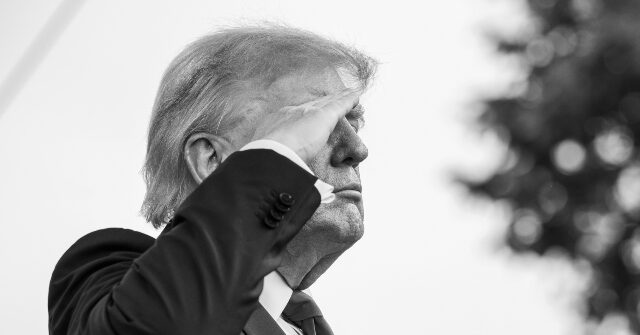
President Donald Trump is scheduled to preside over a solemn ceremony on Monday, March 2, bestowing the nation's highest military decoration, the Medal of Honor, upon three distinguished American service members. The White House confirmed that Command Sergeant Major Terry Richardson of the U.S. Army will be honored for his exceptional valor during the Vietnam War, receiving the prestigious award in person from the President. Additionally, two other heroes will be recognized posthumously for their extraordinary courage: Master Sergeant Roderick Edmonds for his actions during World War II, and Staff Sergeant Michael Ollis for his service in Afghanistan. This significant event, honoring sacrifices spanning multiple generations of conflict, is expected to also serve as a platform for President Trump to address pressing international developments, particularly the ongoing military operations targeting Iran, following recent joint strikes by the United States and Israel.
The Medal of Honor stands as the United States' most esteemed military award, presented for acts of gallantry and intrepidity above and beyond the call of duty, often involving extreme personal risk. Its origins trace back to the Civil War, and it has since been awarded to fewer than 3,500 individuals, underscoring its rarity and profound significance. The recipients represent pivotal moments in American military history: Command Sergeant Major Richardson's recognition harks back to the complex and often brutal battlefields of the Vietnam War, a conflict that deeply shaped a generation. Master Sergeant Edmonds' posthumous honor connects to the global struggle and immense sacrifices of World War II, a defining moment for the 20th century. Staff Sergeant Ollis's recognition, meanwhile, reflects the ongoing challenges and heroism displayed in the protracted post-9/11 conflicts in Afghanistan, highlighting the enduring commitment of American forces in contemporary warfare. Each award serves as a powerful reminder of the diverse and unwavering courage exhibited by service members across different eras and theaters of operation.
The ceremony will undoubtedly be a poignant occasion, particularly for the families of Master Sergeant Edmonds and Staff Sergeant Ollis, who will accept the awards on behalf of their fallen loved ones. While specific details of their heroic actions were not provided in initial reports, the nature of the Medal of Honor implies extraordinary bravery and self-sacrifice in the face of grave danger. Such posthumous recognitions are deeply symbolic, ensuring that the ultimate sacrifices made by these individuals are permanently etched into the nation's memory. Shifting to current geopolitical events, officials stated that President Trump is also anticipated to discuss the recent military engagements against the Islamic Republic of Iran. These operations, reportedly conducted by the United States and Israel on Sunday, resulted in significant developments, including the reported death of longtime Iranian dictator Ayatollah Khamenei. The timing of these remarks, immediately following such a high-stakes military action, suggests a pivotal moment in regional dynamics and international relations.
Observers suggest that the dual focus of the event—honoring past valor while addressing present-day geopolitical crises—underscores the continuous thread of military engagement in American foreign policy. The Medal of Honor ceremony serves as a powerful symbol of national unity and respect for those who have defended the nation, potentially offering a moment of reflection amidst heightened international tensions. Analysts believe that President Trump's expected remarks on Iran will be closely scrutinized by global powers, as they could signal the future trajectory of U.S. policy in the Middle East. The reported demise of Ayatollah Khamenei, if confirmed through broader channels, represents a monumental shift in Iranian leadership and could trigger significant internal and external ramifications for the country and the wider region. Experts are weighing the potential for increased instability or, conversely, a re-evaluation of Iran's strategic direction, depending on the nature of the succession and the international response.
As the nation prepares to honor these three brave soldiers, the ceremony on March 2 stands as a testament to enduring courage and sacrifice across generations of American military service. Command Sergeant Major Richardson, Master Sergeant Edmonds, and Staff Sergeant Ollis embody the highest ideals of military heroism, their stories woven into the fabric of the nation's defense. Simultaneously, President Trump's anticipated address on the recent strikes against Iran and the reported death of Ayatollah Khamenei will command global attention, signaling a critical juncture in Middle Eastern geopolitics. The convergence of these events highlights the complex interplay between historical valor and contemporary challenges, with the world watching for further developments in the wake of these significant military and political shifts.