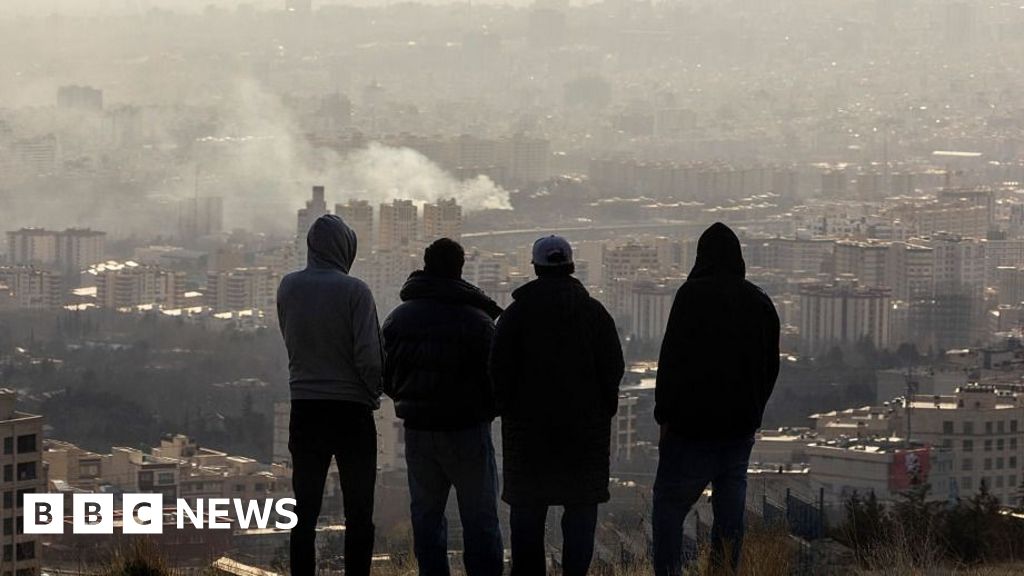
The ongoing conflict involving the United States, Israel, and Iran entered its third day with a significant intensification of hostilities, marked by a series of drone and air strikes across multiple fronts. According to recent reports, American forces conducted strikes within Iranian territory, leading to visible scenes of destruction in urban areas. Simultaneously, Israeli military operations targeted locations in Lebanon, which officials believe to be positions associated with Hezbollah, a group closely aligned with Iran. Further complicating the volatile situation, three US fighter jets reportedly crashed in Kuwait, an incident the United States military attributed to apparent friendly fire. The geographical scope of the conflict also expanded to include a British Royal Air Force base in Cyprus, which was struck by an Iranian drone, necessitating an evacuation. These rapid developments underscore a dramatic escalation in what has been designated 'Operation Epic Fury,' signaling a widening and increasingly complex regional confrontation.
The current state of conflict, now in its third day, represents a critical juncture in long-standing tensions between the United States and Israel on one side, and Iran and its regional proxies on the other. For decades, the Middle East has been a theater for a complex interplay of geopolitical rivalries, with Iran's nuclear ambitions, its support for various non-state actors, and its strategic influence often clashing with US and Israeli security interests. This latest phase of intense military engagement, characterized by significant air and drone exchanges, suggests a transition from proxy confrontations to more direct and overt hostilities. The designation 'Operation Epic Fury' implies a structured military response to perceived threats, building upon a history of covert operations, cyber warfare, and limited engagements that have previously defined the US-Iran-Israel dynamic. The rapid escalation observed over the past 72 hours indicates a departure from past patterns, raising concerns about the potential for a broader regional conflagration.
Detailed accounts from the third day of fighting reveal a series of distinct, yet interconnected, military actions. Reports indicate that US forces executed strikes deep within Iran, with visual evidence emerging of considerable damage on the ground. The precise targets and full extent of the devastation remain under assessment, but the impact was reportedly significant. Concurrently, Israeli operations focused on southern Lebanon, targeting what sources described as key infrastructure and operational sites belonging to Hezbollah, a powerful Shiite militant group and political party backed by Iran. These strikes underscore Israel's stated objective to neutralize threats emanating from its northern border. A separate, concerning incident involved the loss of three US fighter jets in Kuwait. While the US military officially attributed these crashes to 'apparent friendly fire,' investigations are likely underway to determine the exact circumstances of this operational mishap in a high-stakes environment. Adding to the geographical spread of the conflict, an Iranian drone successfully struck a British RAF base situated in Cyprus, prompting an immediate evacuation of personnel and highlighting the expanding range of Iranian capabilities and intentions.
The events of the third day signal a profound shift in the regional security landscape, with analysts suggesting a significant broadening of the conflict's geographical and operational scope. The US strikes within Iran, coupled with Israel's actions against Hezbollah in Lebanon, indicate a multi-front engagement designed to exert pressure on Tehran and its allies. Observers note that the Iranian drone attack on a British base in Cyprus represents a worrying expansion, drawing in other international actors and demonstrating Iran's willingness to project power beyond its immediate borders. The incident involving US fighter jets crashing due to 'friendly fire' in Kuwait, while potentially an isolated operational error, raises critical questions about coordination and command structures amidst heightened tensions. Experts suggest that such incidents, alongside the rapid escalation, increase the risk of miscalculation and unintended consequences, making de-escalation efforts increasingly challenging. The involvement of a NATO member's base (UK) further complicates the diplomatic and military calculus for all parties involved.
In summary, the third day of the US-Israeli conflict with Iran has been marked by a dramatic escalation and geographical expansion of hostilities. Key developments included US strikes inside Iran, Israeli military actions against Hezbollah in Lebanon, a concerning 'friendly fire' incident involving US jets in Kuwait, and an Iranian drone attack on a British RAF base in Cyprus. These events collectively underscore the volatile nature of the current situation and the potential for further regional destabilization. As 'Operation Epic Fury' continues, international attention will remain fixed on potential retaliatory actions, the investigation into the jet crashes, and any diplomatic efforts to prevent a wider conflagration. The involvement of multiple state and non-state actors across an increasingly broad operational theater signals a critical period for Middle Eastern security.