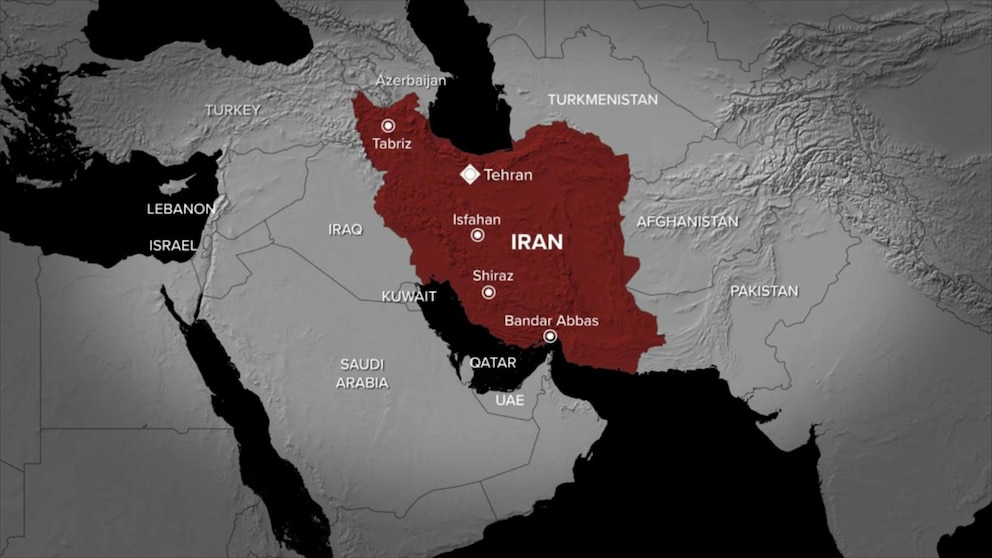
A significant escalation in Middle Eastern tensions unfolded on February 28, 2026, as reports confirmed a joint military operation conducted by the United States and Israel targeted Iran. This coordinated strike has reportedly resulted in the death of Iran's supreme leader, an event with profound implications for regional stability and international relations. The news, initially conveyed by President Trump in statements to ABC News, has immediately triggered heightened security measures globally and within the United States. The gravity of the situation is underscored by discussions from figures such as retired Lt. Gen. Doug Lute, a former U.S. ambassador to NATO, who is actively analyzing the potential ramifications of this unprecedented attack. The immediate aftermath suggests a period of intense uncertainty, with global observers closely monitoring for any retaliatory actions or further destabilization in an already volatile region, according to various reports emerging on the day of the incident.
The reported demise of Iran's supreme leader marks a pivotal moment in the long-standing, complex relationship between Iran, the United States, and Israel. For decades, the supreme leader has served as the ultimate political and religious authority in Iran, wielding immense power over the country's domestic and foreign policies, including its nuclear program and regional proxy networks. This leadership role has been central to Iran's posture against Western influence and its adversarial stance towards Israel. The joint U.S.-Israel attack, as reported, signifies a dramatic shift in strategy, moving beyond sanctions and covert operations to direct military action against the highest echelons of Iranian leadership. This development is set against a backdrop of persistent regional conflicts, including proxy wars and maritime tensions, which have consistently threatened to erupt into broader confrontations, making the current situation particularly perilous and unprecedented in its directness.
In the immediate wake of the reported attack, several critical developments have emerged, highlighting the widespread concern and the potential for further instability. President Trump, speaking with ABC News while engaged in discussions with military generals, confirmed the death of Iran's supreme leader, a statement that reverberated globally. Concurrently, officials have indicated that the risk to U.S. military personnel stationed in the region remains exceptionally high, signaling an anticipation of potential retaliatory actions from Iranian forces or its allies. Domestically, security measures have been significantly amplified, with the Secret Service reportedly increasing protection protocols around President Trump and other key national leaders. Furthermore, law enforcement agencies across the United States have implemented stepped-up police presence and patrols in major cities, reflecting a nationwide effort to bolster security and mitigate any potential threats or unrest following the dramatic geopolitical events unfolding overseas, according to various security advisories.
The potential fallout from this joint U.S.-Israel military action and the reported death of Iran's supreme leader is a subject of intense analysis by defense experts and international relations specialists. Retired Lt. Gen. Doug Lute, a seasoned diplomat and military strategist, has been among those discussing the far-reaching implications. According to his insights, the region could face an unpredictable period of heightened volatility, with the possibility of a power vacuum in Iran and potential internal struggles for succession, which could either lead to further radicalization or, less likely, a shift towards a more moderate stance. Analysts suggest that the immediate risk of direct retaliation against U.S. and Israeli assets, both military and civilian, is substantial. Moreover, the incident could redefine alliances and rivalries across the Middle East, potentially drawing in other regional and global powers, thereby escalating what is already a critically tense geopolitical landscape into a broader, more unpredictable conflict, as experts weigh in on the unfolding crisis.
The reported joint U.S.-Israel strike culminating in the death of Iran's supreme leader marks a watershed moment in Middle Eastern geopolitics. The immediate future is characterized by extreme uncertainty, with a high probability of retaliatory actions and a significant risk to U.S. forces in the region. Global security has been elevated, as evidenced by increased domestic patrols and enhanced protection for leaders. The world now watches closely for Iran's response, the internal dynamics within the Islamic Republic, and how regional and international actors will react to this unprecedented development. The implications for long-term stability in the Middle East and the broader international order remain profound and will continue to unfold in the coming days and weeks.