While recent military operations by the United States and Israel have reportedly focused on dismantling Iran's conventional military capabilities, a more insidious and pervasive threat continues to operate largely untouched: the regime's extensive and sophisticated illicit financial networks. These clandestine systems, which stretch far beyond Iran's national borders, represent a critical asymmetric capability that conventional airpower alone cannot dismantle, according to various reports. Officials indicate that billions of dollars, potentially stashed in offshore accounts, could still be readily mobilized by surviving hardliners within the Iranian leadership. This substantial financial reservoir poses a multifaceted danger, capable of propping up a beleaguered regime, financing terrorist activities in Western nations, and enabling those responsible for crimes against the Iranian populace to evade justice. The continued existence and operational capacity of these networks underscore a significant challenge for international security efforts, suggesting that military strikes, while impactful on physical assets, may not fully neutralize the regime's enduring capacity for malign influence and destabilization.
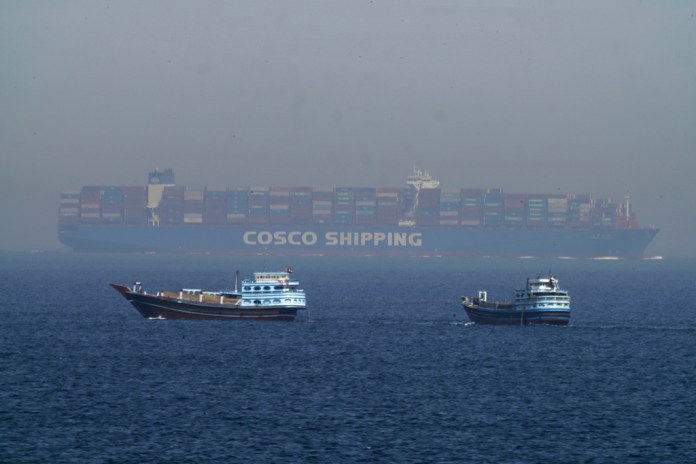
For several decades, the United States and its allies have primarily relied on a strategy of economic sanctions to curtail the Iranian regime's oil exports and sever its access to the legitimate global financial system. This approach aimed to starve the regime of its primary revenue streams and limit its ability to fund its various controversial programs. Iran, for its part, has often threatened to disrupt global oil supplies by closing the strategically vital Straits of Hormuz. However, reports suggest that halting its own illicit oil shipments, with approximately 90 percent reportedly destined for China, would severely cripple its most crucial source of income. A protracted conflict, however, is expected to inevitably degrade, if not entirely destroy, Iran's capacity to conduct these oil shipments. Consequently, sources indicate that any surviving elements of the Iranian leadership would increasingly pivot towards alternative illicit revenue streams and draw upon accumulated financial reserves, making the dismantling of these shadow networks even more critical.
The intricate web of Iran's global 'shadow banking' system is a testament to its long-standing efforts to circumvent international sanctions. This elaborate structure reportedly comprises thousands of shell and front companies, specialized exchange houses, various money transmitters, and informal hawala-style networks. These operations are often facilitated by complicit professional enablers, strategically positioned in jurisdictions characterized by weak regulatory oversight, allowing for covert financial transactions. Furthermore, the regime has actively expanded its illicit financial activities into the realm of digital assets. According to recent data, an estimated $10 billion in cryptocurrency transactions linked to Iran were detected last year alone, highlighting a growing reliance on new technologies for illicit finance. These sophisticated networks were meticulously constructed with the explicit purpose of bypassing sanctions, sustaining nuclear proliferation efforts, funding designated terrorist groups and proxy militias, and facilitating domestic repression, underscoring their central role in the regime's strategic objectives.
The continued integrity of these illicit financial networks carries profound implications for global security, particularly for Western nations. Analysts suggest that if these systems remain operational, the Iranian regime's capacity to pursue its destabilizing objectives will persist, regardless of the impact of conventional military strikes on its physical infrastructure. An immediate and pressing concern, according to intelligence assessments, is the potential for these offshore funds to be directed towards activating terrorist sleeper cells or engaging local organized crime groups. Such activation could lead to bombings, assassinations, and other acts of violence in Western countries, representing a direct and tangible threat. Furthermore, even in a hypothetical scenario where the current regime were to collapse swiftly, die-hard adherents with access to these substantial funds could potentially continue to finance and execute malign activities, posing a prolonged challenge to international stability and counter-terrorism efforts. This complex reality suggests that while striking Iran's military assets carries inherent risks, the strategic gamble of allowing these financial tentacles to remain intact would have presented an even greater long-term danger.
In conclusion, while recent military actions have targeted Iran's physical assets, the enduring threat posed by its sophisticated illicit financial networks demands a comprehensive and multi-faceted international response. These clandestine systems, designed to circumvent sanctions and fund a range of malign activities from nuclear proliferation to global terrorism, represent a critical vulnerability that conventional military force cannot address alone. The billions of dollars held offshore and the growing use of digital assets underscore the scale and adaptability of this challenge. As the international community navigates the complexities of containing Iran's influence, the imperative to dismantle these financial arteries becomes paramount. Failure to do so risks allowing a resilient and resourceful regime, or its ideological successors, to continue funding destabilization and evading accountability, necessitating a sustained focus on financial intelligence and enforcement in the global effort to counter Iranian aggression.