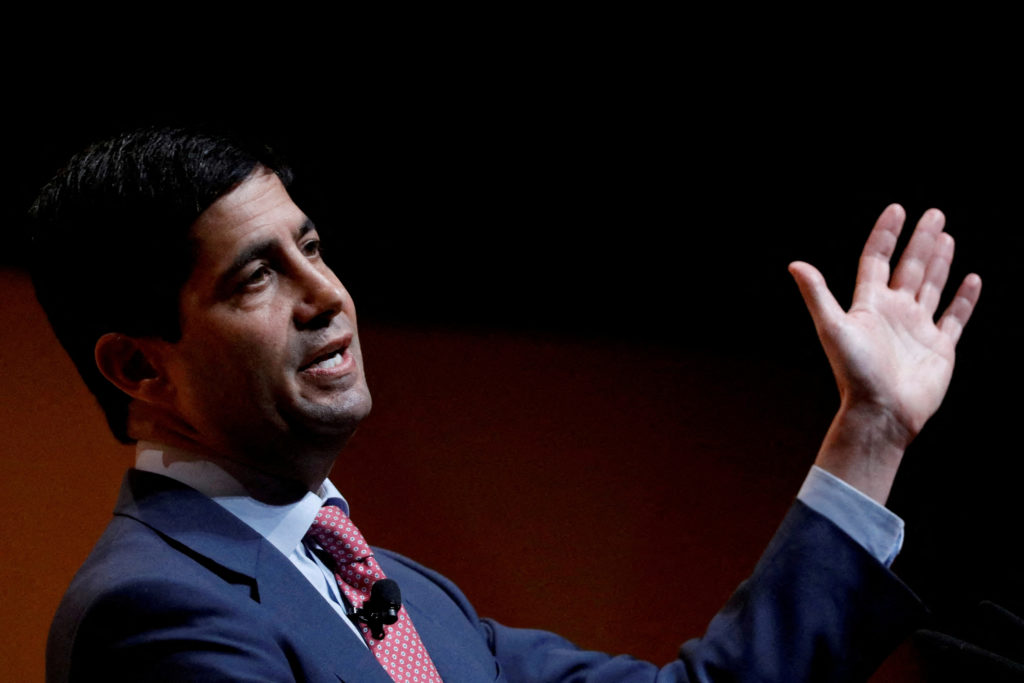
The White House has officially advanced the nomination of Kevin Warsh to become the next Chair of the Federal Reserve, a pivotal development in the nation's economic leadership. This formal step, which saw the nomination transmitted to the Senate on Wednesday, marks the beginning of a rigorous confirmation process in the legislative body. While the initial intention to nominate Warsh was made public on January 30, its formal submission to the Senate now places it squarely before the Senate Banking Committee. This committee is tasked with conducting a thorough review, including hearings and deliberations, before deciding whether to recommend his confirmation to the full Senate. The individual chosen to lead the Federal Reserve holds immense sway over monetary policy, influencing interest rates, inflation, and employment levels across the United States, making this nomination a subject of significant national and international interest. The process underscores the critical checks and balances inherent in the appointment of such a powerful economic figure, ensuring comprehensive scrutiny of the candidate's qualifications and vision for the central bank's future direction.
The Federal Reserve, often referred to as the "Fed," functions as the central banking system of the United States, wielding considerable authority over the nation's financial landscape. Established in 1913, its primary mandates include maximizing employment, stabilizing prices, and moderating long-term interest rates. The Chair of the Federal Reserve is arguably one of the most influential economic positions globally, responsible for guiding monetary policy decisions that impact everything from consumer lending rates to international trade balances. The selection of this leader is a meticulously structured process, beginning with a presidential nomination, followed by a comprehensive review by the Senate. Specifically, the Senate Banking Committee plays a crucial gatekeeping role, examining the nominee's professional background, economic philosophy, and suitability for the demanding responsibilities. This committee's deliberations often involve extensive questioning and expert testimony, designed to ensure the candidate possesses the requisite expertise and independence to steer the country's monetary policy effectively. The ultimate confirmation by the full Senate requires a simple majority vote, a procedure that can often become a focal point for broader economic debates and political alignments within Washington. The significance of this appointment cannot be overstated, as the Fed's decisions ripple through every sector of the economy, affecting businesses, investors, and everyday citizens alike.
With Kevin Warsh's nomination now formally before the Senate, the immediate focus shifts to the Senate Banking Committee, which is poised to commence its detailed examination. This committee, comprising senators with expertise in financial markets and economic policy, will undertake a multi-faceted evaluation of the nominee. Their review typically involves public hearings where Warsh will be expected to articulate his economic views, his understanding of the Federal Reserve's dual mandate – price stability and maximum employment – and his approach to potential challenges such as inflation control, financial regulation, and maintaining the Fed's independence. While specific details of his past professional experience were not elaborated upon in the initial announcement, it is understood that the committee will delve deeply into his qualifications, including any prior roles in government, finance, or academia that would inform his leadership of the central bank. The committee's scrutiny is not merely a formality; it serves as a critical democratic check on executive power, ensuring that the individual entrusted with such immense economic authority is thoroughly vetted and deemed capable by the legislative branch. The process often involves a deep dive into a nominee's public statements, writings, and voting record (if applicable), all aimed at understanding their potential impact on the nation's economic trajectory. The outcome of the committee's review will dictate whether Warsh's nomination advances to a full Senate vote, a crucial step in determining the future direction of U.S. monetary policy.
The selection of the next Federal Reserve Chair carries profound implications for both domestic and global economies, extending far beyond the immediate political machinations in Washington. A new leader at the helm of the Fed could signal a shift in monetary policy philosophy, potentially influencing the trajectory of interest rates, the Fed's balance sheet strategy, and its approach to financial market oversight. Economic analysts and market participants will be closely watching the confirmation hearings for any indications of how Warsh, if confirmed, might steer the central bank through evolving economic conditions, including potential inflationary pressures or periods of slower growth. The independence of the Federal Reserve from political influence is a cornerstone of its effectiveness, and the confirmation process often highlights debates around this principle. Furthermore, the appointment comes at a time when global economic uncertainties, ranging from geopolitical tensions to supply chain disruptions, underscore the need for steady and informed leadership at the world's most powerful central bank. The market's reaction to the nomination and subsequent confirmation will be a key indicator of investor confidence, as the Fed's forward guidance on monetary policy significantly impacts asset prices and investment decisions. The political landscape surrounding the nomination also plays a role, as the administration's choice reflects its broader economic agenda, and the Senate's reception can signal the degree of bipartisan consensus or contention over the nation's economic direction.
In summary, the formal submission of Kevin Warsh's nomination for Federal Reserve Chair to the Senate marks a significant juncture in the process of appointing the nation's top economic policymaker. Following its announcement on January 30, the nomination has now entered the critical phase of Senate review, specifically under the purview of the Senate Banking Committee. This committee's thorough vetting, including anticipated hearings, will be instrumental in assessing Warsh's qualifications and economic vision before a potential vote by the full Senate. The outcome of this confirmation process holds substantial weight, as the Federal Reserve Chair's decisions profoundly affect monetary policy, financial markets, and the overall economic well-being of the United States. All eyes will now be on the Senate Banking Committee as it begins its deliberations, with market participants, economists, and the public awaiting further insights into the future leadership of the nation's central bank and the direction of its crucial policies.