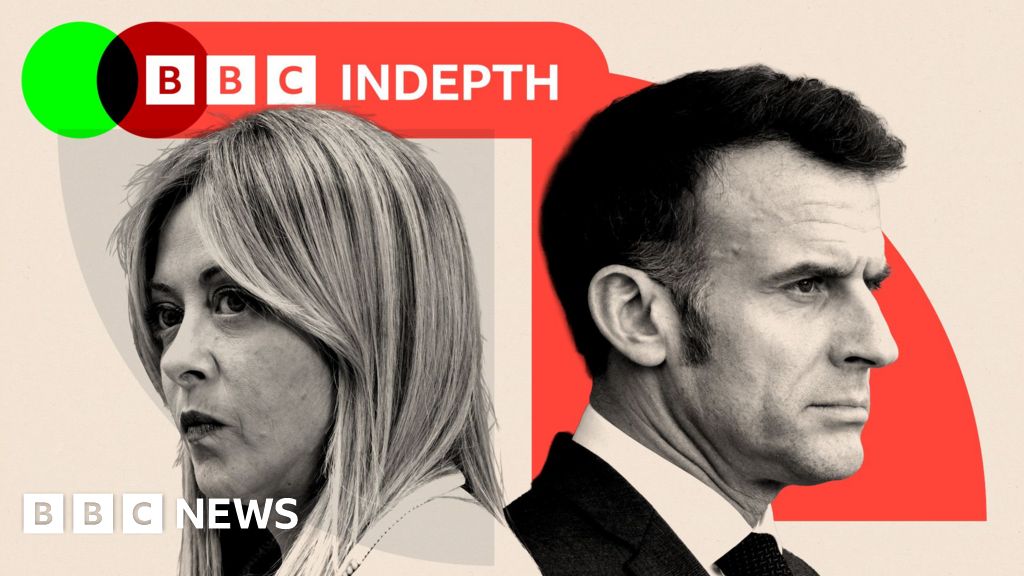
Europe finds itself in a state of disarray and lacking a cohesive response following a reported US-Israeli military engagement against Iran, which commenced approximately three days prior. Despite weeks of observing a significant American military buildup in the Middle East and hearing stern warnings from the Trump administration directed at Tehran regarding its nuclear ambitions, the continent has appeared largely uncoordinated. This lack of unity has left European nations seemingly without substantial influence, caught in the rapid escalation of regional events. The immediate aftermath has prompted widespread anxiety across European capitals, primarily centered on the safety and potential evacuation of their citizens residing in the affected region, a population that could number in the tens of thousands. Furthermore, governments are grappling with the anticipated domestic economic repercussions, particularly concerning potential surges in energy and food prices for consumers back home, according to various reports.
The current geopolitical instability in the Middle East, which has seen Europe struggle to present a unified front, did not emerge without forewarning. For several weeks leading up to the recent military actions, European leaders and policymakers had been closely monitoring a substantial increase in American military presence across the region. This observation was coupled with explicit and forceful declarations from the Trump administration, which had repeatedly cautioned Tehran to abandon all nuclear aspirations, implying severe consequences if these demands were not met. This period of heightened tension and diplomatic pressure set the stage for the current crisis, with Europe seemingly anticipating a potential escalation. The continent's inability to forge a singular, powerful diplomatic voice in the face of these developments underscores a deeper challenge in its foreign policy coordination, particularly when confronted with rapid, high-stakes events initiated by key allies, as sources indicate. The unfolding situation highlights the complex web of alliances and national interests that often impede collective European action on the global stage.
The immediate ramifications of the escalating Middle East crisis have triggered profound concerns among European governments, extending beyond geopolitical strategy to tangible domestic impacts. A primary worry revolves around the welfare of European nationals currently residing in the region, with officials reportedly assessing the logistical complexities of potentially evacuating tens of thousands of individuals should the situation deteriorate further. Economically, the crisis has already manifested in significant market volatility; gas prices across Europe have experienced a dramatic surge, reaching levels not witnessed since Russia's comprehensive invasion of Ukraine in 2022, according to market analysts. This sharp increase signals potential inflationary pressures on consumers. Amidst this backdrop of fragmentation, the continent's three major powers—France, Germany, and the United Kingdom—did manage to issue a joint declaration over the recent weekend. In their statement, these nations delivered a stern warning to Iran, indicating their readiness to undertake "defensive action" aimed at neutralizing Tehran's capacity to launch missiles and drones, unless Iran ceases what they described as its "indiscriminate attacks." This collective, albeit limited, response underscores the difficulty in achieving broader European consensus.
Europe's evident struggle to articulate a cohesive and unified stance on the recent developments involving Iran carries significant implications for its geopolitical influence and future role on the international stage. Analysts suggest that this perceived disunity, characterized by uncoordinated national responses and a lack of collective leverage, diminishes Europe's capacity to act as a significant diplomatic force in a rapidly evolving global security landscape. The continent's internal divisions, exacerbated by individual national concerns over citizen safety and economic stability, may prevent it from effectively shaping outcomes in critical regions like the Middle East. This situation could further entrench a perception of Europe as reactive rather than proactive, potentially ceding greater initiative to other global powers. Going forward, the challenge for European leaders will be to reconcile diverse national interests and forge a more robust, unified foreign policy mechanism, especially when confronted with crises that directly impact their security and economic well-being, as observers note. The current crisis serves as a stark reminder of the persistent hurdles to deeper political integration and collective action within the European bloc.
In summary, the recent escalation of tensions in the Middle East, marked by reported US-Israeli military action against Iran, has exposed significant cracks in Europe's ability to respond with a unified voice. Despite prior awareness of a looming crisis, the continent has appeared fragmented, grappling with immediate concerns over citizen safety and severe economic repercussions, including soaring energy prices. While a joint statement from France, Germany, and the UK offered a glimpse of coordinated intent, it highlighted the broader challenge of achieving comprehensive European consensus. Moving forward, the international community will be closely watching whether European nations can overcome their internal divisions to develop a more coherent strategy for de-escalation and regional stability, or if they will remain largely reactive to events shaped by other global actors. The trajectory of energy markets and the safety of European citizens in the region will serve as critical indicators of the crisis's ongoing impact and Europe's capacity to adapt.