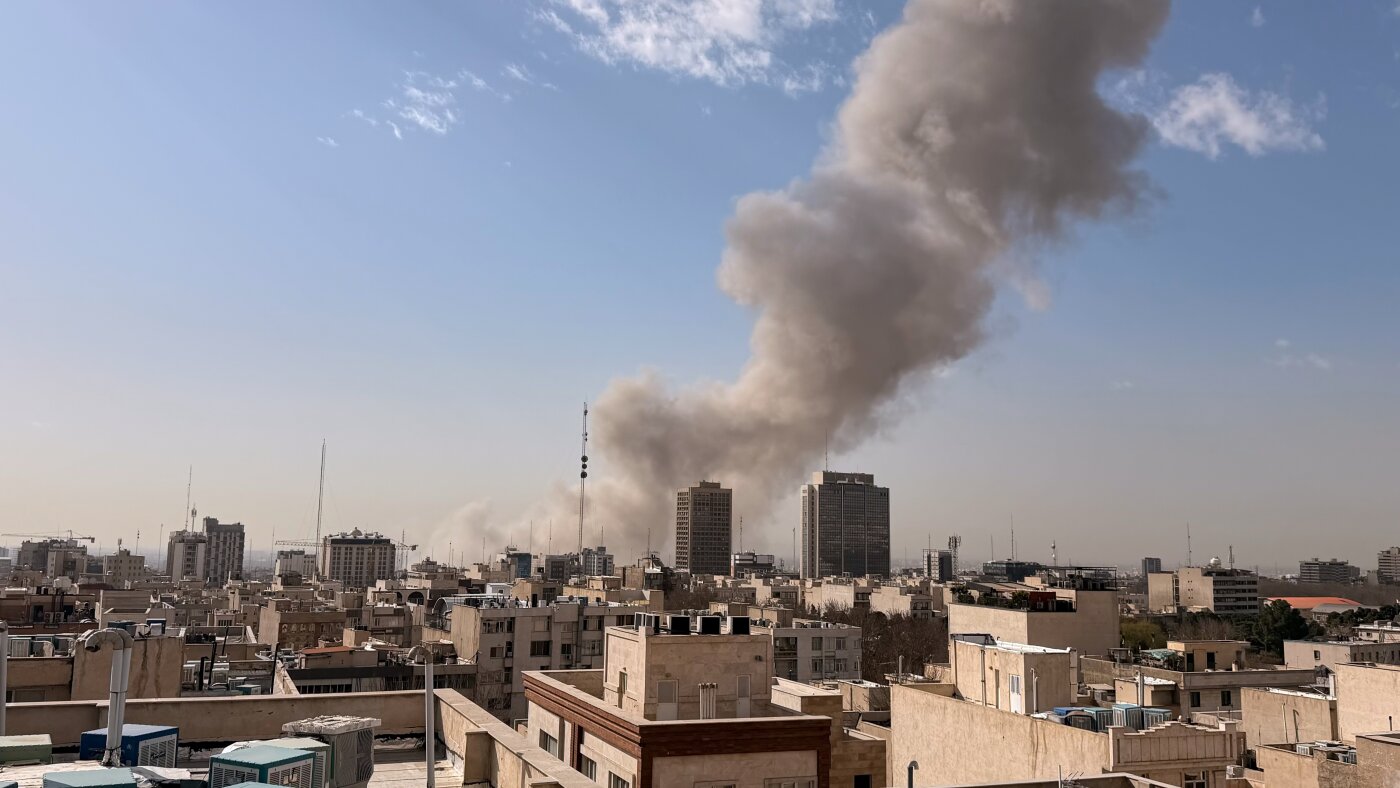
On Saturday, the United States and Israel initiated coordinated military operations targeting Iran, marking a significant escalation in regional tensions. This decisive action followed weeks of explicit warnings from U.S. President Donald Trump regarding Tehran's advancements in nuclear technology. The commencement of these joint efforts, which President Trump characterized as 'major combat operations' that are 'massive and ongoing,' occurred shortly after diplomatic negotiations aimed at resolving anxieties surrounding Iran's nuclear initiatives collapsed earlier in the week. Israeli Prime Minister Benjamin Netanyahu articulated the purpose of these attacks as an endeavor to 'remove the existential threat posed by the terrorist regime in Iran,' additionally implying that these actions would serve to empower the Iranian population. Simultaneously, President Trump declared that the principal aim was to 'defend the American people by eliminating imminent threats' originating from Iran, according to official statements.
The recent military confrontation involving the U.S., Israel, and Iran signifies the culmination of heightened rhetoric and persistent diplomatic stalemates regarding Iran's nuclear aspirations. In the weeks preceding Saturday's assaults, President Trump had consistently issued warnings about Tehran's nuclear capabilities, indicating a possible move towards more forceful actions if diplomatic channels remained unproductive. The fundamental tension arises from global apprehensions surrounding Iran's nuclear program, which numerous countries, notably the U.S. and Israel, perceive as a potential route to atomic weaponry development. This view persists despite Iran's steadfast claims that its program is solely for peaceful energy generation. This enduring disagreement has served as a critical point of contention in Middle Eastern geopolitics for an extended period, frequently resulting in economic sanctions, clandestine activities, and diplomatic impasses, all contributing to the current offensive.
Reports indicate that this offensive represents a substantial intensification of regional tensions, unfolding shortly after a third series of indirect discussions on Thursday failed to produce a peaceful settlement. The failure of these crucial diplomatic efforts earlier in the week appears to have paved the way for the military intervention. President Trump's description of the operations as 'major combat operations' underscores the gravity and scale of the engagement, emphasizing their 'massive and ongoing' nature. Furthermore, the stated objectives from both leaders highlight the perceived urgency and severity of the threat. Prime Minister Netanyahu's assertion about 'removing the existential threat' and empowering the Iranian populace, alongside President Trump's focus on 'defending the American people by eliminating imminent threats,' collectively frame the military actions as a response to profound security concerns, as conveyed by their respective administrations.
This strategic decision by both Washington and Jerusalem to address what they interpret as an escalating danger marks a significant shift in their approach to Iran. The transition from intense diplomatic pressure and indirect negotiations to direct military engagement signals a profound change in policy, with potentially far-reaching implications for regional stability. Analysts suggest that such a move could ignite a broader conflict, drawing in other regional and international actors, and potentially destabilizing global energy markets. The collapse of the third round of indirect negotiations suggests that fundamental disagreements remained insurmountable, leading to a conclusion that military force was deemed necessary. The long-term consequences of these 'massive and ongoing' operations, as described by President Trump, will likely shape the geopolitical landscape of the Middle East for years to come, forcing a re-evaluation of alliances and strategic priorities.
In summary, the coordinated military actions launched by the United States and Israel against Iran on Saturday represent a critical escalation driven by persistent concerns over Iran's nuclear program and the recent failure of diplomatic efforts. Leaders from both nations have articulated their objectives, with President Trump emphasizing the elimination of 'imminent threats' to American citizens and Prime Minister Netanyahu aiming to 'remove the existential threat' posed by Iran while empowering its people. This offensive, characterized as 'major combat operations,' underscores a strategic decision to confront what is perceived as a growing danger. The immediate future remains uncertain, with global attention now focused on Iran's response, the reactions of international powers, and the potential for further military actions or renewed diplomatic initiatives in a rapidly evolving regional dynamic.