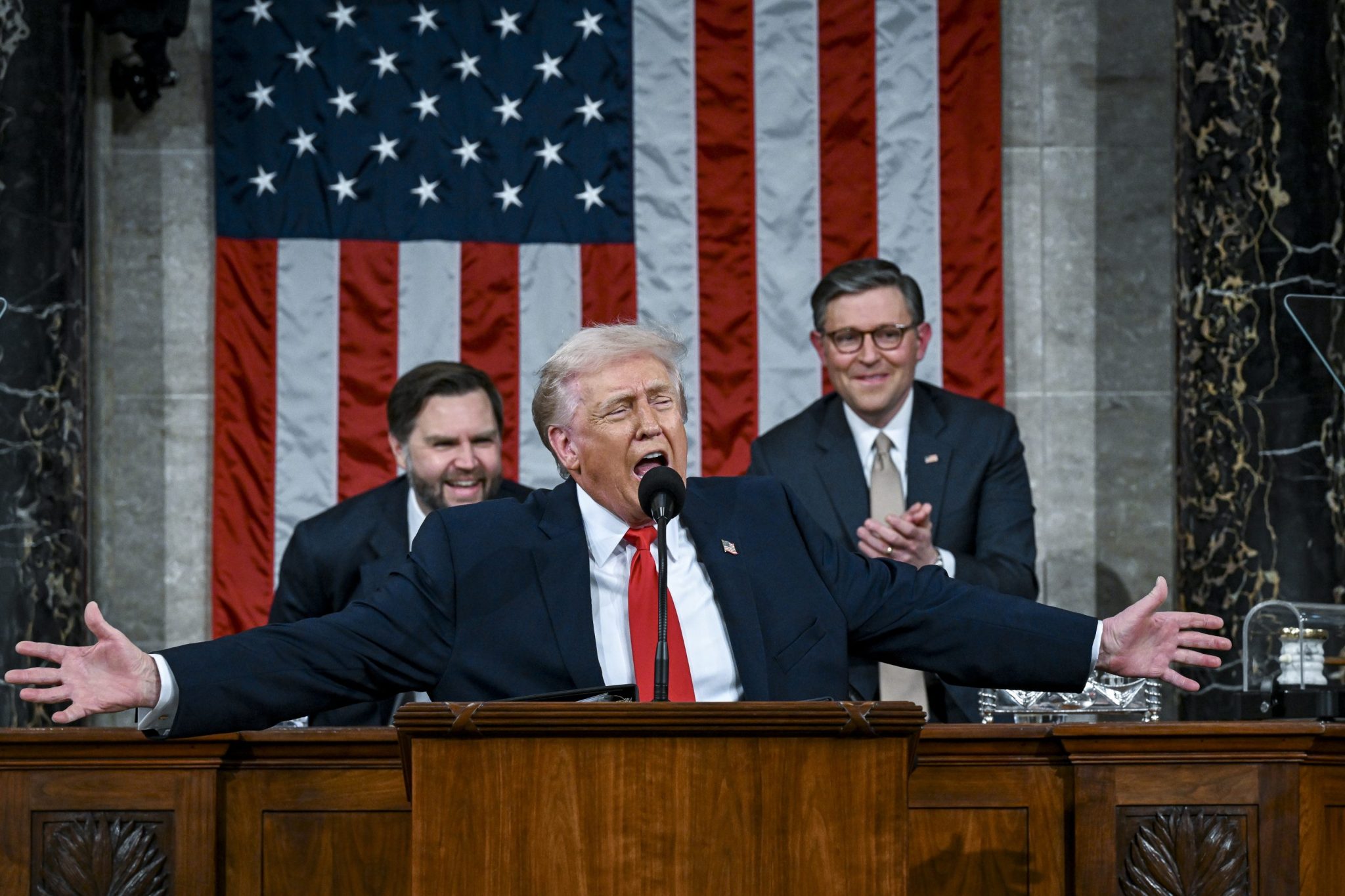
Consumers across the nation are grappling with unprecedented increases in their utility bills, a trend that has seen electric and piped natural gas expenses emerge as significant contributors to inflation. Last year, these essential services saw substantial price hikes, with electricity costs climbing by 7% and natural gas by 11%, according to reports. This surge is projected to continue, with utilities requesting a staggering $31 billion in rate adjustments for 2025, more than double the amount sought in the previous year, much of which has yet to be implemented. While the rapid expansion of AI data centers is frequently cited as a major culprit, power analysts and energy watchdogs emphasize that these facilities represent only one piece of a much larger, more complex puzzle. The escalating costs have captured bipartisan attention, with President Donald Trump introducing a "Rate Payer Protection Pledge" for hyperscalers during his State of the Union address, and utility executives repeatedly addressing "affordability" during their February earnings calls, often concurrently with announcing new rate increases.
The current surge in utility expenses is not an isolated phenomenon, but rather the culmination of several long-standing and emerging pressures on the energy sector. Residential electricity prices, for instance, have seen a dramatic increase of nearly 30% since 2021, a period that predates the widespread public launch of advanced AI models like ChatGPT, indicating deeper systemic issues. The record $31 billion in proposed rate hikes for 2025 underscores the scale of the financial burden utilities are seeking to pass on to consumers, reflecting a significant acceleration in cost recovery efforts compared to prior years. This financial strain is quickly becoming a central political issue, with utility costs expected to play a substantial role in the upcoming November midterm elections. The widespread concern transcends party lines, drawing the attention of both former President Trump and various state governors, highlighting the universal impact of rising energy prices on households and businesses nationwide.
Beyond the high-profile narrative surrounding AI data centers, a confluence of factors is exerting upward pressure on utility bills, as detailed by industry experts. Key among these is the deteriorating state of the nation's power infrastructure, with an aging grid requiring extensive and costly repairs or replacements. Climate change also contributes to these expenses, leading to more frequent extreme weather events that necessitate grid hardening and increased maintenance. Furthermore, the rising costs of natural gas and essential equipment, coupled with the ongoing closure of coal and gas power plants, impact supply and operational expenses. Antiquated utility profit models, which often incentivize capital expenditure over efficiency, are also cited as a contributing factor. According to Charles Hua, executive director of the non-profit PowerLines, the core issue is not a partisan debate between renewable and fossil fuels, but rather the fundamental infrastructure itself. "It’s the grid. It’s the local poles and wires," Hua stated, emphasizing that "The grid is getting old, and it costs a lot of money to replace or repair." This complex web of challenges involves a diverse array of stakeholders, including utilities, power generators, natural gas producers, hyperscalers, politicians, and state public service commissions, all playing a role in either alleviating or intensifying the problem.
The broader implications of these escalating utility costs extend far beyond individual household budgets, impacting economic stability and future energy policy. While AI data centers undeniably add to electricity demand, their role as a scapegoat, attracting what power analysts describe as an "outsized portion of the blame," may divert attention from more fundamental and systemic issues. The challenge lies in modernizing an aging grid to meet increasing demand, adapt to climate change, and integrate new energy sources, all while managing costs for consumers. The political spotlight on utility expenses ahead of the midterm elections signals that policymakers will be under immense pressure to address these concerns, yet finding comprehensive solutions is complicated by the diverse interests of the various stakeholders involved. Balancing the need for infrastructure investment, environmental sustainability, and consumer affordability requires a nuanced approach that moves beyond simplistic blame allocation and focuses on long-term strategic planning and regulatory reform.
In conclusion, the current surge in utility bills is a multifaceted crisis driven by a complex interplay of factors, not solely by the burgeoning demand from AI data centers. While hyperscalers contribute to increased energy consumption, the primary drivers, according to experts, include an aging power grid, the impacts of climate change, rising operational costs, and outdated regulatory frameworks. The record rate hike requests and the significant role utility expenses are poised to play in upcoming elections underscore the urgency of the situation. Moving forward, a holistic approach involving all stakeholders—from utilities and energy producers to policymakers and consumers—will be essential to address these systemic challenges. Observers will be closely watching for how political leaders and regulatory bodies respond to these pressures, particularly whether they prioritize grid modernization, cost-efficiency, and equitable rate structures to mitigate the ongoing financial burden on ratepayers.