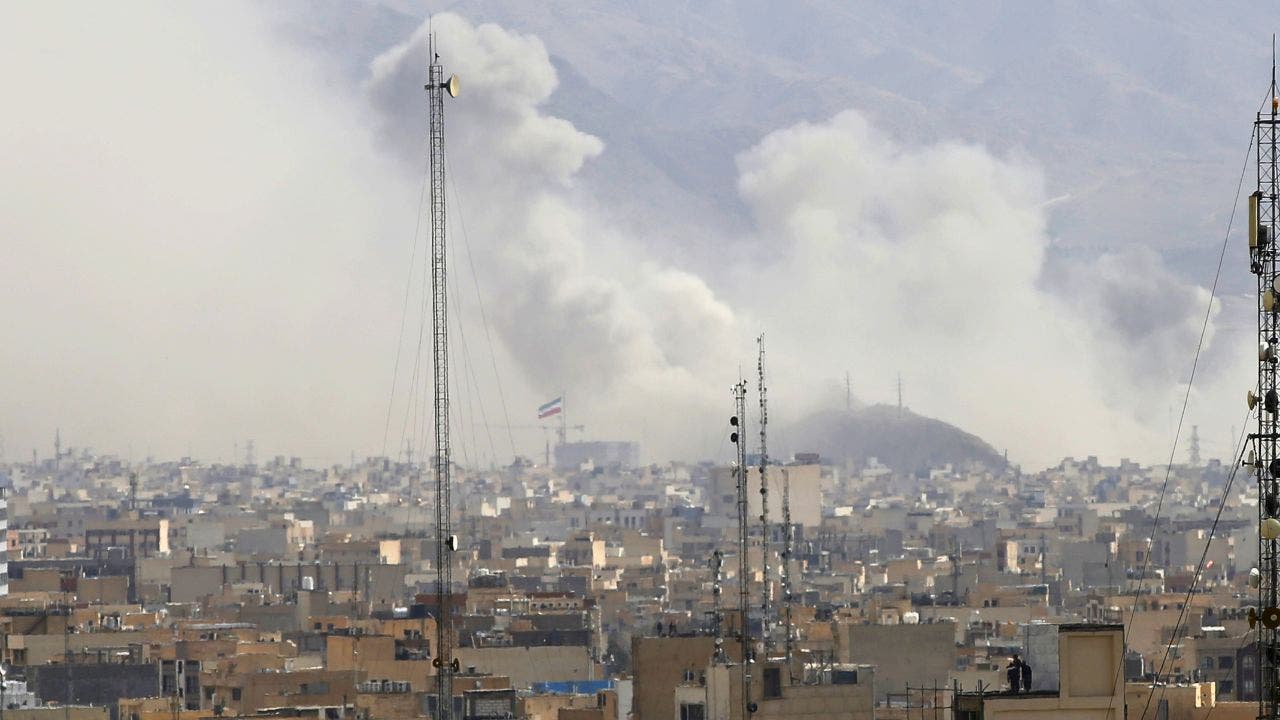
Reports from multiple news outlets, citing the U.S. Central Command (CENTCOM), confirm that three American service members have tragically lost their lives, and five others sustained serious injuries, during a military operation described as being connected to Iran. This significant loss of life and severe wounding of personnel marks a somber development in ongoing regional tensions. While specific details regarding the exact location or the precise nature of the incident remain undisclosed by official sources at this time, the confirmation from CENTCOM underscores the inherent dangers faced by U.S. forces operating in areas influenced by Iranian activities. The gravity of these casualties is amplified by the "seriously wounded" designation for the five injured personnel, indicating potentially life-altering injuries and highlighting the intense nature of the engagement. This incident immediately raises critical questions about the operational environment and the broader implications for stability in the region, demanding close scrutiny from international observers.
The U.S. military maintains a significant presence across the Middle East, primarily under the purview of CENTCOM, which is responsible for operations in a vast area encompassing 21 nations, including those bordering Iran. This deployment is often aimed at deterring aggression, ensuring regional stability, and countering various threats, including those perceived to emanate from Iran and its proxy groups. Casualties among American forces, particularly fatalities, are always a profound event, signaling heightened risks and often prompting re-evaluations of strategy and force protection measures. The region has been a hotbed of geopolitical friction for decades, with intermittent clashes, proxy conflicts, and strategic rivalries frequently escalating tensions between the United States and Iran. The occurrence of such an incident, leading to multiple American deaths and serious injuries, underscores the volatile operational landscape and the persistent challenges involved in safeguarding U.S. interests and personnel amidst complex and often hostile environments. This event adds another layer of complexity to an already delicate regional balance.
According to information disseminated by various news outlets, including NBC News, the specific military engagement where these casualties occurred has been identified in some reports as "Operation Epic Fury." While this designation provides a potential name for the mission, official statements from CENTCOM have primarily focused on confirming the human cost rather than detailing the operational specifics. The U.S. Central Command explicitly reported the deaths of three service members and confirmed that five others were seriously wounded. The distinction of "seriously wounded" is crucial, indicating injuries that are not minor and often require extensive medical intervention, potentially leading to long-term health challenges or permanent disability. Crucially, the public information released thus far does not specify the precise geographical location where this operation unfolded, nor does it elaborate on the nature of the hostile action that led to these tragic outcomes. Neither the exact timing of the incident nor the identity of the perpetrators has been publicly disclosed by official channels, leaving significant gaps in the immediate understanding of the event. This lack of granular detail often characterizes initial reports of sensitive military incidents, as investigations commence and information is carefully managed.
The confirmed casualties are likely to reverberate through Washington and Tehran, potentially escalating an already fraught relationship between the two nations. While the immediate response from both sides remains to be seen, such incidents typically prompt a period of heightened alert and diplomatic maneuvering. For the United States, the loss of life and serious injuries to its service members in an operation linked to Iran will undoubtedly reignite debates about the scope and risks of its military engagements in the Middle East. Policymakers will face renewed pressure to assess the effectiveness of current strategies and consider potential responses, which could range from increased deterrence measures to diplomatic overtures, depending on the full context of the incident. Conversely, for Iran, any perceived U.S. military action or casualty event could be framed within its domestic narrative, potentially influencing its regional posture and interactions with various non-state actors. The incident underscores the precarious balance of power and the constant potential for miscalculation or unintended escalation in a region where numerous state and non-state actors operate with conflicting agendas. The coming days will be critical in observing official reactions and any subsequent actions taken by either side.
In summary, the tragic deaths of three U.S. service members and the serious wounding of five others, confirmed by CENTCOM in an operation linked to Iran, represent a significant and somber development. While the specific details surrounding the incident, including its location, precise timing, and the nature of the hostile action, remain largely unconfirmed by official sources, the human cost is undeniable. This event highlights the persistent dangers faced by American forces operating in a volatile region and is poised to intensify scrutiny on U.S. foreign policy and military strategy in the Middle East. The international community will be closely monitoring official statements and any subsequent actions from both the United States and Iran, as the full implications of this incident continue to unfold. Further information is anticipated as investigations progress, which may shed more light on the circumstances of this tragic loss.