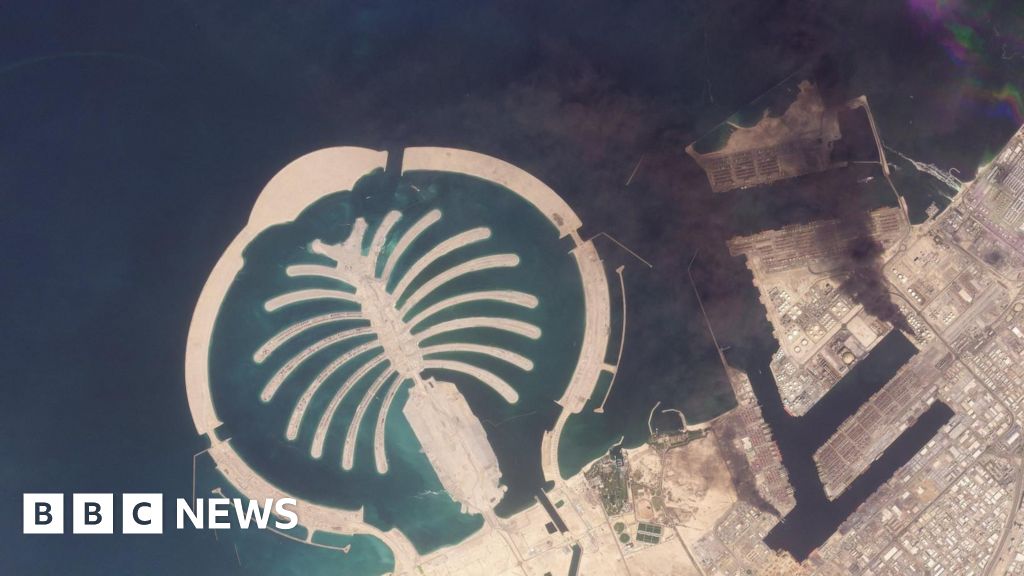
The Middle East finds itself at a critical juncture as Gulf nations grapple with the direct fallout from recent Iranian missile and drone assaults, which have targeted both American military installations and crucial civilian and energy infrastructure on their sovereign territories. These extensive attacks, reportedly involving hundreds of projectiles, represent a significant escalation in regional hostilities, following what Iran describes as retaliatory actions for prior US-Israeli air strikes. Officials across the Gulf have expressed profound anger and concern, viewing their states as unwilling participants now positioned on the front lines of an intensifying conflict. A spokesperson for Qatar's foreign ministry, Majed al Ansari, underscored the gravity of the situation during a Tuesday press briefing, asserting that "all the red lines have already been crossed" by these incursions. He further emphasized the persistent nature of these "attacks on our sovereignty," which have also impacted residential areas and vital infrastructure, making it clear that such aggressive acts "will not go unanswered and cannot go unanswered." This sentiment reflects a growing regional consensus that the current trajectory of events is unsustainable and demands a decisive response from Gulf leadership.
The current wave of aggression places Gulf governments in an unenviable position, particularly given their consistent efforts to de-escalate tensions and avoid being drawn into broader regional conflicts. For years, these nations have cultivated an image as stable, prosperous hubs for international travel, tourism, and finance, attracting global investment and talent. The recent Iranian bombardments directly undermine this carefully constructed reputation for safety and reliability, threatening to deter foreign engagement and disrupt economic growth. Furthermore, the targeting of energy infrastructure poses a direct threat to the global oil and gas industry, which is intrinsically linked to the Gulf's economic stability and its role in international markets. This unwelcome escalation transforms what was previously a proxy conflict or a distant threat into a direct challenge to the sovereignty and security of Arab states, forcing them to confront a war they actively sought to prevent. The strategic significance of these attacks extends beyond immediate damage, aiming to destabilize the region's core economic pillars and its perceived security guarantees.
Reports indicate that Iran launched hundreds of missiles and drones, specifically aiming at American military bases stationed within several Arab nations, alongside critical domestic targets. These included essential energy facilities and residential zones, demonstrating a broad and indiscriminate targeting strategy. While a substantial number of these incoming projectiles were intercepted by regional defense systems, the aftermath has not been without severe consequences. Officials have confirmed instances where falling debris from intercepted munitions ignited fires and, tragically, resulted in fatalities among the civilian population. Gulf governments have characterized these actions as "treacherous," highlighting a profound sense of betrayal and a blatant disregard for international norms. The Qatari foreign ministry spokesman, Majed al Ansari, reiterated the severity of the situation, noting the "constant" nature of these assaults on national sovereignty and the tangible, "very clear" effects observed across infrastructure and residential areas. This pattern of sustained aggression underscores the direct and immediate threat perceived by the affected nations.
The strong declaration from Qatari officials that "all options are with our leadership" regarding potential retaliation signals a significant shift in the Gulf states' approach to regional security. This statement suggests that a purely defensive posture may no longer be deemed sufficient, opening the door to a range of responses that could further escalate the conflict. Gulf nations now face the complex challenge of balancing their immediate security imperatives with the broader implications for regional stability and their long-standing alliances, particularly with the United States. Any decision to retaliate would carry substantial risks, potentially drawing them deeper into a protracted conflict that could have devastating economic and human costs. Analysts suggest that the leadership must weigh the imperative to protect national sovereignty and deter future attacks against the dangers of igniting a wider conflagration. The current situation could reshape the geopolitical landscape of the Middle East, influencing future diplomatic engagements, military postures, and the very nature of regional security cooperation.
In summary, Gulf states find themselves at a perilous crossroads, directly confronting Iranian aggression that has targeted their territories and vital interests following US-Israeli air strikes. The widespread anger among Arab governments, coupled with explicit warnings that these "treacherous" attacks will not go unanswered, underscores the gravity of the current crisis. While defensive measures have intercepted many projectiles, the human and infrastructural toll, alongside the disruption to the region's image as a stable economic hub, is undeniable. The coming days and weeks will be crucial as Gulf leadership deliberates its response, with "all options" reportedly on the table. The decisions made will not only determine the immediate future of this escalating conflict but also set a precedent for regional security dynamics, potentially reshaping alliances and the broader geopolitical balance in the Middle East for years to come.