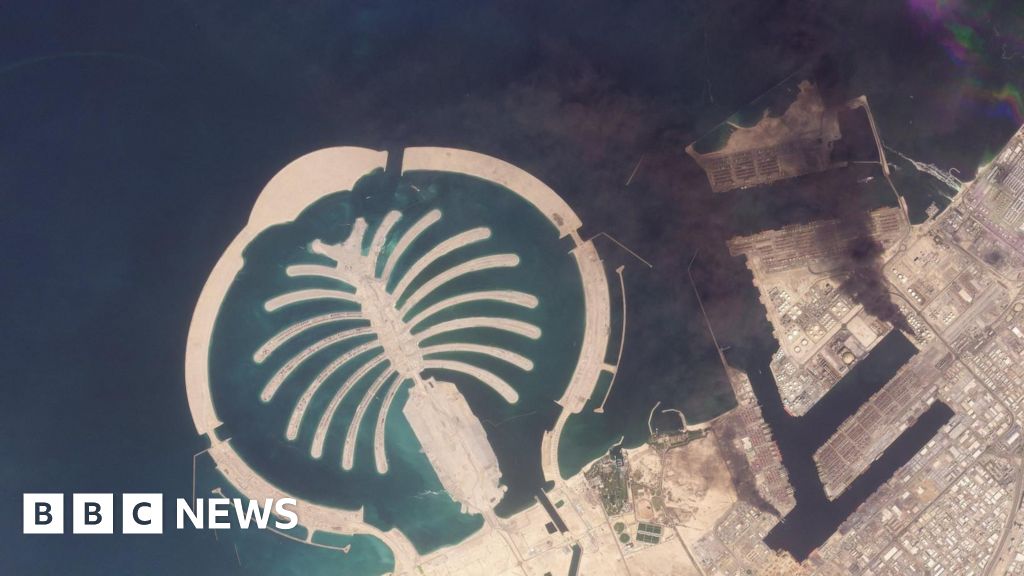
Nations across the Arabian Gulf find themselves at the epicenter of an intensifying regional conflict, expressing profound anger following a series of missile and drone attacks attributed to Iran. These assaults, reportedly launched in retaliation for earlier US-Israeli air strikes, have targeted not only American military installations situated on Gulf soil but also critical civilian and energy infrastructure within these Arab states. The widespread nature of these incursions, involving hundreds of projectiles, has fundamentally challenged the region's carefully cultivated image as a secure and prosperous hub for international travel, tourism, and finance, while simultaneously disrupting the vital oil and gas industry at its core. Officials in the Gulf have unequivocally stated that these actions represent a severe breach of sovereignty and stability, with Qatar's foreign ministry spokesman, Majed al Ansari, declaring on Tuesday that "all the red lines have already been crossed," underscoring the gravity of the situation and the mounting pressure on regional leaders to formulate a decisive response.
The current escalation marks a perilous new chapter in Middle Eastern geopolitics, one that Gulf governments assert they neither desired nor actively sought. For years, these nations have strived to maintain a delicate balance, often attempting to de-escalate tensions and prevent wider regional conflicts. However, the recent barrage of Iranian projectiles, described by some Arab governments as "treacherous," has forcibly drawn them onto the front lines. The strategic importance of the Gulf region cannot be overstated; it is a global nexus for energy production and a crucial artery for international trade and commerce. The deliberate targeting of energy facilities and civilian areas threatens to undermine the economic stability that underpins much of the Gulf's influence and prosperity, raising concerns among international partners and investors about the long-term viability of the region as a reliable global economic player. This unwanted engagement in a conflict they tried to avert now forces them to confront difficult choices regarding their future security posture and alliances.
The specifics of the recent attacks highlight the direct threats faced by Gulf populations and infrastructure. While many of the incoming Iranian missiles and drones were reportedly intercepted across the region, the sheer volume of the assault meant that not all were neutralized. Consequently, falling debris from these interceptions has caused significant damage, igniting fires and, tragically, leading to fatalities among the civilian populace. According to statements made by Qatar's foreign ministry spokesman, Majed al Ansari, during a press briefing, the attacks represent a continuous assault on their sovereignty. He further elaborated, telling journalists that "There are attacks on infrastructure. There are attacks on our residential areas. And the effects of these attacks are very clear." Emphasizing the seriousness with which Gulf leadership views these events, al Ansari affirmed that "When it comes to possible retaliation, all options are with our leadership. But we have to make it very clear that attacks like these will not go unanswered and cannot go unanswered," signaling a strong intent to respond to these provocations.
The implications of these aggressive actions extend far beyond immediate damage, posing a critical dilemma for Gulf leadership. The deliberate targeting of civilian and energy infrastructure, alongside foreign military bases, suggests a calculated effort to destabilize the region and challenge the security guarantees provided by international partners. Experts suggest that Iran's strategy aims to project power and demonstrate its capacity to inflict economic and human costs on its adversaries and their allies, thereby altering the regional security calculus. For Gulf states, the challenge lies in responding forcefully enough to deter future attacks without inadvertently triggering a wider, more devastating conflict that could engulf the entire region. The "treacherous" nature of these attacks, as described by Arab governments, underscores a profound sense of betrayal and a re-evaluation of existing diplomatic and security frameworks, potentially leading to a hardening of stances against Tehran and a strengthening of alliances with Western powers.
As Gulf nations grapple with the aftermath of these unprecedented Iranian strikes, the immediate future remains fraught with uncertainty. The declaration that "all red lines have been crossed" signals a significant shift in regional dynamics, placing immense pressure on leaders to decide on a proportionate and effective response. The critical question now is whether these states, which actively sought to prevent such a conflict, will be compelled to directly engage in military action, thereby deepening their involvement in a war they did not initiate. The world will be closely watching for any retaliatory measures, the impact on global energy markets, and the broader implications for stability in a region already prone to volatility. The coming days and weeks will be crucial in determining the trajectory of this escalating confrontation and the long-term security landscape of the Middle East.