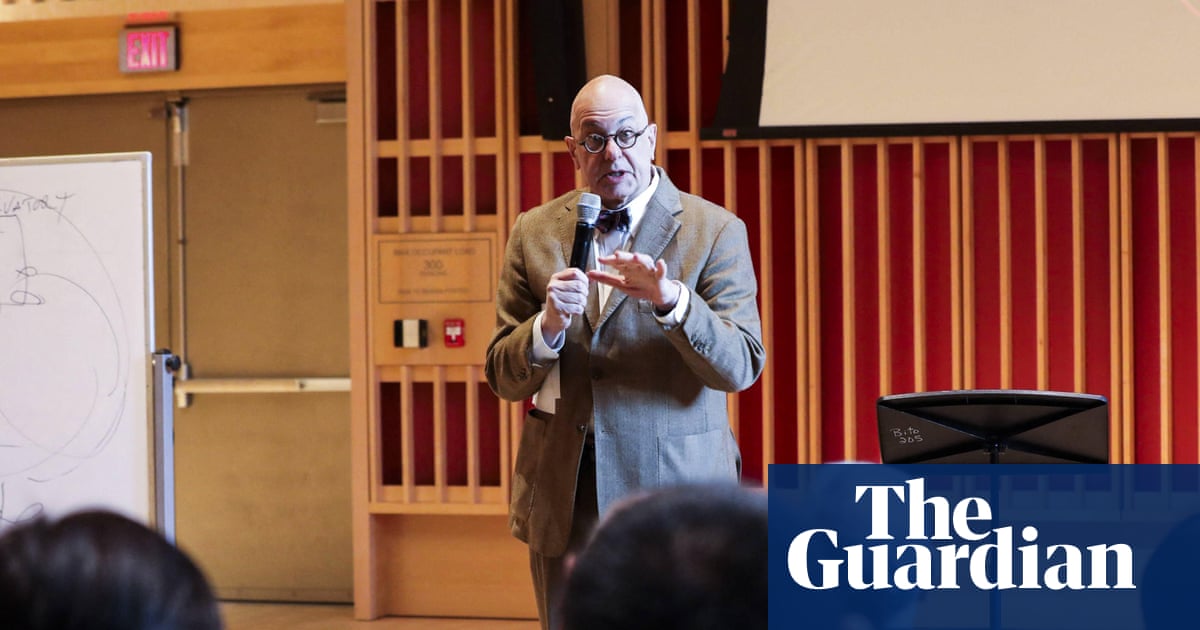
Members of the Bard College faculty have formally requested that the institution's board of trustees devise a comprehensive "transition in leadership" strategy for President Leon Botstein. This significant development comes in the wake of renewed scrutiny concerning Botstein's past interactions with the late convicted sex offender Jeffrey Epstein. While the faculty's statement stops short of demanding Botstein's immediate resignation, it signals a palpable shift in internal sentiment following the recent disclosure of additional communications involving Epstein, including a trip Botstein reportedly took to Epstein's private island in 2012. The college's governing board had previously announced on February 19 that it had engaged WilmerHale, an external legal firm, to conduct an impartial review into the full scope of communications between Botstein and Epstein. This move by the faculty represents the first public collective response from the academic body since the latest details emerged, highlighting growing pressure on the long-serving president.
The controversy surrounding President Botstein's association with Jeffrey Epstein has intensified following the release of a new batch of emails and other documents by the Department of Justice. Until now, the faculty at Bard College had largely remained silent on the revelations, which have cast a shadow over Botstein's remarkable 50-year tenure as president, a role he has held since 1975, having joined the college in 1975. According to individuals familiar with the internal discussions, faculty members have been deliberating for approximately two weeks on how to address the escalating situation. These discussions reportedly involved a range of proposed actions, with some voices advocating for Botstein's outright resignation, contending that sufficient information regarding his relationship with Epstein had surfaced to be considered "disqualifying." Botstein has previously defended his engagement with Epstein, who pleaded guilty in 2008 to state charges related to the solicitation of prostitution, including with a minor. Botstein has stated that his initial contact with Epstein occurred in 2011, several years after Epstein's conviction became public knowledge, following an unsolicited donation of $75,000 from Epstein to Bard High School Early College. He has maintained that he pursued the relationship in fulfillment of his duties as the college's primary fundraiser.
Further details surrounding Botstein's interactions with Epstein include his assertion, conveyed in a letter to the campus community and reported by WAMC News, that Epstein was "not my friend." Regarding the 2012 visit to Epstein's island, Botstein has claimed he was unwell during his stay and remained isolated, attending a dinner by himself. These specific accounts are now likely to be scrutinized as part of the independent review initiated by the board of trustees. The decision by the faculty to call for a "transition in leadership" plan, rather than an immediate resignation, suggests a nuanced approach, potentially reflecting a desire for an orderly succession given Botstein's extensive history with the institution, while still acknowledging the severity of the concerns. The independent review by WilmerHale is specifically tasked with examining the communications between Botstein and Epstein, aiming to provide a comprehensive understanding of their interactions. This legal inquiry underscores the board's recognition of the gravity of the situation and its commitment to a thorough investigation into the matter.
The faculty's unprecedented call for a leadership transition plan for President Botstein signifies a critical juncture for Bard College, highlighting the profound impact of the Epstein revelations on the institution's internal dynamics and public perception. This move suggests a collective sentiment within the academic body that, while not demanding an immediate ouster, indicates a clear need for change at the helm. The ongoing independent review by WilmerHale will be pivotal in shaping the future trajectory of Botstein's leadership and the college's response to the controversy. Universities across the nation have increasingly faced challenges in navigating ethical considerations related to donors, particularly those with problematic pasts. The Bard situation underscores the delicate balance institutions must strike between fundraising imperatives and upholding core values, maintaining public trust, and safeguarding their reputation. The outcome of this review and the board's subsequent actions will set a precedent for how Bard College addresses such profound ethical dilemmas, potentially influencing future governance and fundraising policies within higher education.
In summary, the Bard College faculty's recent demand for a leadership transition plan for President Leon Botstein marks a significant turning point in the ongoing controversy surrounding his ties to Jeffrey Epstein. This development, following the release of new communications and Botstein's acknowledged trip to Epstein's island, underscores the growing internal pressure at the institution. The independent review commissioned by the board of trustees, conducted by WilmerHale, is now central to resolving this issue, with its findings expected to heavily influence the future of Botstein's half-century tenure. As the college navigates this challenging period, all eyes will be on the results of this investigation and the subsequent decisions made by the board, which will ultimately determine the path forward for Bard College and its leadership amidst intense public and internal scrutiny.