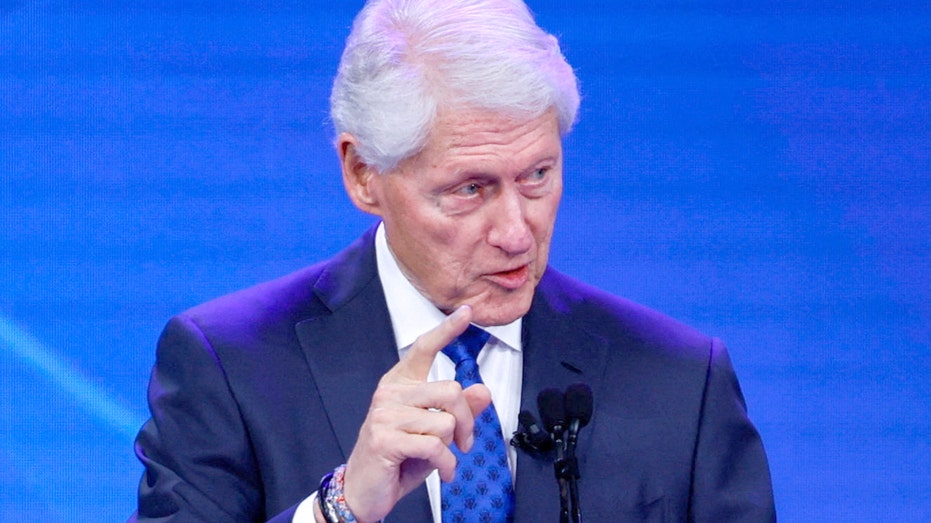
In a development that could redefine the scope of congressional oversight for years to come, former President Bill Clinton recently provided testimony under subpoena to the House Oversight Committee. This unprecedented event, which unfolded in the quiet, snow-dusted community of Chappaqua, New York, forms a critical part of the committee's ongoing investigation into the late financier Jeffrey Epstein. According to reports from congressional historians, this marks the first instance in American history where a former president has been compelled to testify before a congressional panel. The committee's ability to secure testimony from such a high-profile individual is seen by lawmakers as potentially establishing a significant new precedent, with implications for future inquiries, including those potentially involving other former presidents and the extensive Epstein files. The deposition of former President Clinton followed closely on the heels of similar testimony from former First Lady and former Secretary of State Hillary Clinton, who appeared before the same committee just a day prior.
The House Oversight Committee's interest in the Clintons stems from former President Bill Clinton's previously acknowledged connections to Jeffrey Epstein, including reports of him knowing Epstein and traveling on trips that involved the disgraced financier. While no accusations of wrongdoing have been leveled against either Bill or Hillary Clinton in connection with Epstein's illicit activities, lawmakers have sought their testimony to gain further insight into Epstein's network and operations. The investigation into Epstein's affairs has garnered significant public attention due to the gravity of his crimes and the high-profile individuals associated with him. The decision to depose a former president underscores the committee's determination to thoroughly explore all avenues related to the Epstein case, regardless of the stature of the individuals involved. The location for these depositions, Chappaqua, New York, is where the Clintons maintain their residence, situated approximately an hour north of New York City.
During her nearly six-hour closed-door testimony, former First Lady Hillary Clinton reportedly asserted that she had no recollection of ever encountering Jeffrey Epstein directly. She also denied ever flying on his private aircraft or visiting any of his numerous properties, including his infamous island. House Oversight Committee Chairman James Comer, a Republican from Kentucky, later indicated that Hillary Clinton, when pressed on certain matters, frequently directed the committee to 'ask my husband,' a phrase he stated was used more than a dozen times during her deposition. Chairman Comer also highlighted the considerable effort and time involved in securing these high-profile testimonies, noting that it took the committee approximately seven months to arrange the appearances of both Clintons. Despite the extensive questioning and the historical nature of the depositions, officials have reiterated that neither of the Clintons faces any formal accusations of criminal conduct related to the Epstein investigation.
The precedent set by former President Bill Clinton's subpoenaed testimony could have profound and lasting implications for the balance of power and oversight between the legislative and executive branches. Congressional experts suggest that this event might empower future congressional committees to more readily compel testimony from former high-ranking officials, including presidents, in investigations of national significance. This could reshape how Congress exercises its oversight authority, particularly in politically charged inquiries. The ability to compel such testimony could provide Congress with a more robust tool for accountability, potentially influencing how future administrations and former presidents engage with legislative inquiries. Conversely, some legal scholars may raise questions about potential executive privilege concerns, even for former officeholders, though the current situation appears to have navigated these complexities to secure the testimony. The development could also embolden the committee in its broader pursuit of information related to the extensive Epstein files, potentially opening doors to further testimony from other prominent figures.
In summary, the recent testimony of former President Bill Clinton, compelled by subpoena, represents a potentially groundbreaking moment in American political history, marking the first time a former commander-in-chief has been deposed by a congressional committee. While the Clintons are not accused of any wrongdoing in the Jeffrey Epstein investigation, their appearances underscore the committee's commitment to a comprehensive probe. This event not only provides additional data points for the ongoing Epstein inquiry but also establishes a significant procedural precedent that could empower future congressional oversight efforts. As the House Oversight Committee continues its investigation, observers will be closely watching for how this newly established precedent influences subsequent inquiries and the broader landscape of accountability for high-profile individuals.