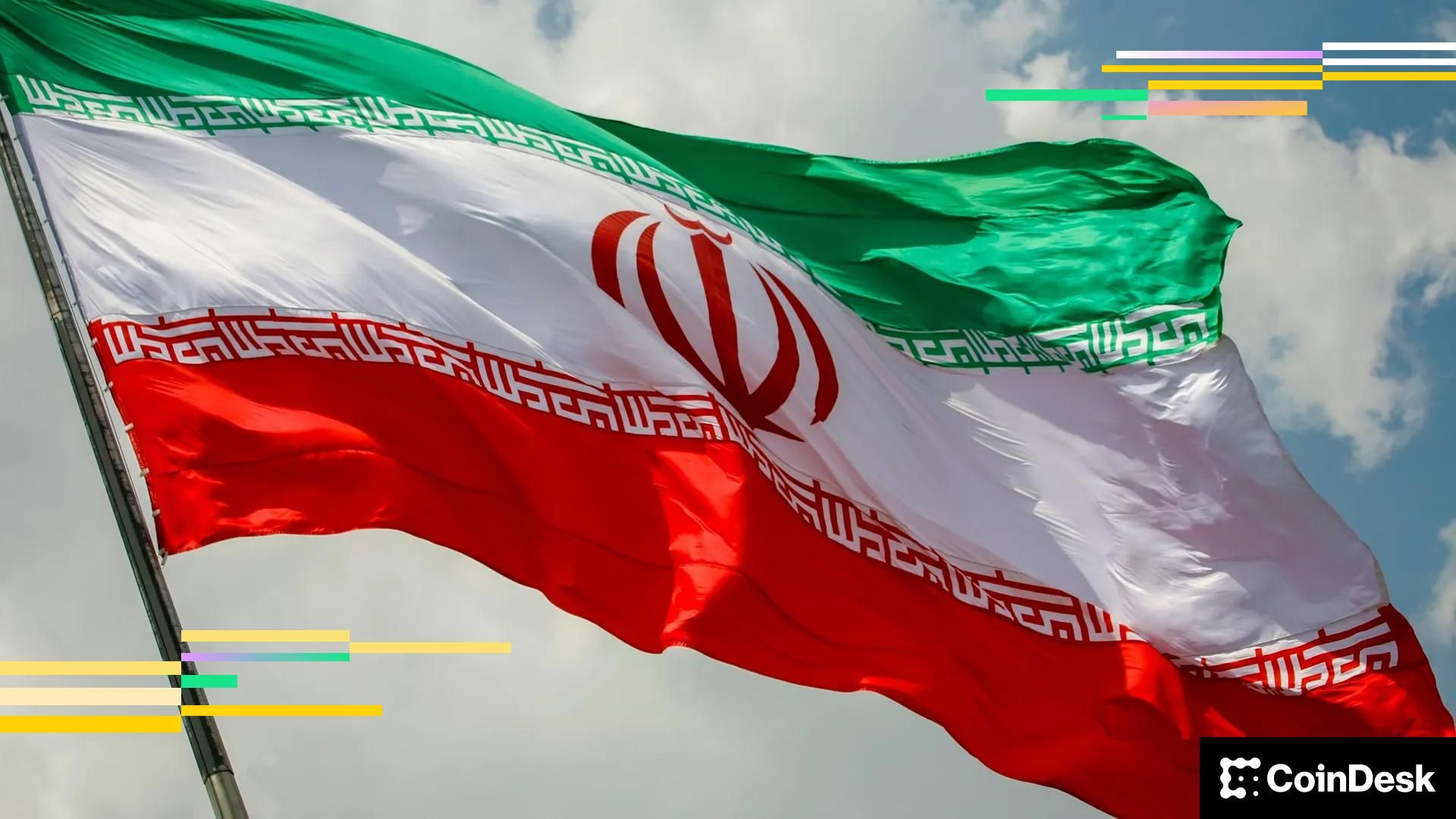
The cryptocurrency market witnessed a dramatic surge on Sunday, with Bitcoin's value climbing significantly to approximately $68,000. This rapid appreciation, which effectively reversed a substantial portion of its recent war-related declines, occurred shortly after Iranian state media outlets confirmed the death of the nation's Supreme Leader, Ayatollah Ali Khamenei. Reports attributed his demise to targeted airstrikes conducted by the United States and Israel. The sudden news from Tehran appears to have prompted a swift reaction among traders, who seem to be interpreting the development as a potential catalyst for a reduction in regional tensions. This immediate market response highlights the volatile interplay between geopolitical events and digital asset valuations, as investors rapidly recalibrate their expectations for future stability in the Middle East following this pivotal event.
Ayatollah Ali Khamenei held an unparalleled position of authority within Iran, serving as the ultimate decision-maker across critical sectors including the military, foreign policy, and the country's controversial nuclear program. His unexpected death has consequently created an immediate and profound power vacuum at the pinnacle of Iranian leadership. According to Iran's constitutional framework, a provisional governing body, comprising the president, the head of the judiciary, and a jurist from the Guardian Council, is mandated to assume leadership responsibilities during this transitional period. The ultimate selection of a permanent successor rests with the Assembly of Experts, though the timeline for this crucial process remains uncertain. This intricate succession mechanism underscores the complexity of Iran's political landscape and the potential for significant shifts in its domestic and international policies.
The market's reaction to the news was both swift and substantial, with Bitcoin experiencing a sharp rally from approximately $64,000 to $68,000 within a mere few hours on Sunday. This rapid upward movement, occurring on what is typically a period of thin liquidity, translated into an estimated $80 billion increase in Bitcoin's market capitalization. Amidst these developments, U.S. President Donald Trump issued a public statement, urging the Iranian populace to seize what he described as "probably your only chance for generations" to overthrow the existing regime. Concurrently, the regional conflict persists, with reports indicating continued missile launches from Tehran towards Israel, alongside ongoing Israeli retaliatory strikes against Iranian targets. Officials stated that U.S. attacks would also continue for as long as deemed necessary, adding another layer of complexity to the unfolding situation.
Analysts suggest that the pronounced market movement reflects a collective sentiment among traders that the leadership vacuum in Iran could potentially pave the way for a period of de-escalation in regional conflicts. This perspective posits that the absence of Khamenei's ultimate authority might increase the likelihood of a cease-fire or a reduction in hostilities, thereby reducing geopolitical risk. While Bitcoin's rally on Sunday was notable, the broader implications for traditional markets, such as oil and equities, are yet to be fully tested, as these markets will react more comprehensively upon their opening. Expert perspectives indicate that the uncertainty surrounding the succession process and the potential for regime change are key factors influencing this speculative optimism, with many questions remaining about how a period of national mourning might impact ongoing military operations or diplomatic engagements.
In summary, the cryptocurrency market's immediate response to the confirmed death of Ayatollah Ali Khamenei, particularly Bitcoin's significant price jump, underscores the profound impact of major geopolitical events on investor sentiment. The rally appears to be driven by a speculative bet on reduced regional tensions and a potential shift towards de-escalation in the Middle East. However, the situation remains highly fluid, with a power vacuum in Iran, an uncertain succession process, and ongoing military engagements. Investors will be closely monitoring the actions of Iran's temporary leadership council, the timeline for the Assembly of Experts' selection of a new Supreme Leader, and the reactions of broader global markets to fully gauge the long-term implications of this pivotal development.