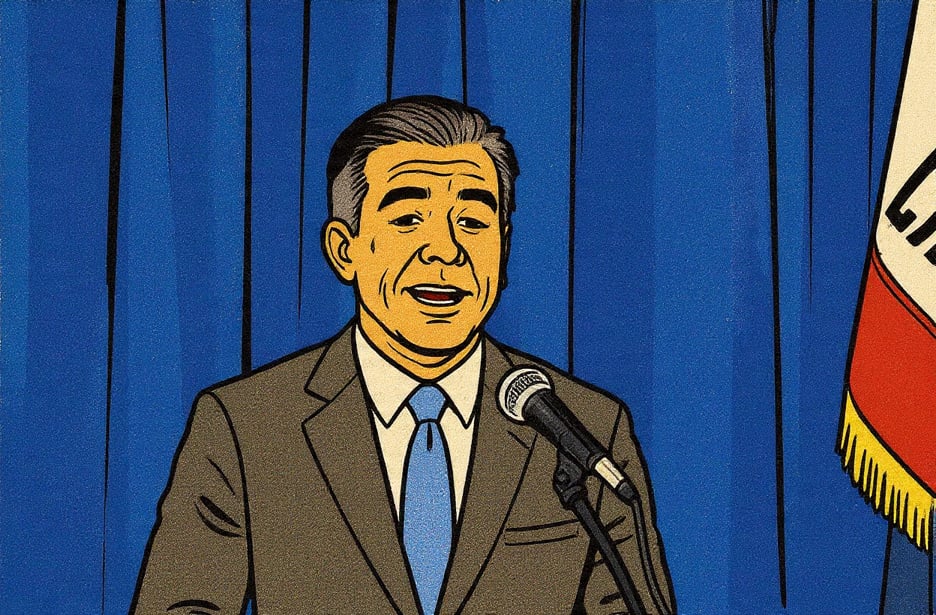
Attorney General Rob Bonta, a prominent figure in California's political and legal landscape and Governor Gavin Newsom's selected successor, has reportedly allocated a substantial sum from his re-election campaign funds towards legal representation. This significant expenditure, totaling $468,000, is publicly linked to his involvement as a purported witness in an ongoing federal bribery investigation. This development brings into sharp focus long-standing concerns regarding the effectiveness of California's internal mechanisms for addressing public sector corruption, a domain where federal authorities have frequently found it necessary to intervene. Reports from various outlets consistently indicate a pattern of federal oversight and direct action, with numerous state officials facing raids and subsequent arrests, thereby underscoring a perceived gap in the state's own prosecution of such serious offenses. The considerable financial outlay by a high-ranking state legal official for his own defense or assistance in a federal probe has naturally prompted heightened scrutiny and widespread discussion regarding transparency, accountability, and the integrity of leadership within California's political establishment. This situation reignites debates about the division of labor and responsibility between state and federal law enforcement in tackling systemic corruption.
California has, according to numerous analyses and reports, consistently faced criticism for its alleged shortcomings in proactively investigating and prosecuting corruption cases involving its own public servants. This perceived deficiency in state-level enforcement has, over time, reportedly led to a robust and frequent involvement of federal agencies, which have often taken the lead in uncovering and pursuing instances of malfeasance within state government. Historical data cited in various reports indicates that federal operations have, over the years, resulted in the apprehension and conviction of more than 500 state officials, illustrating a persistent and significant challenge within California's governance structures concerning ethical conduct and legal compliance. A recent high-profile example further illustrating this pattern includes a federal raid targeting the chancellor of Los Angeles's public school system, an event that underscored the ongoing necessity of federal oversight in areas where state enforcement might be seen as lacking or insufficient. This extensive historical context provides a crucial framework for understanding the current situation involving Attorney General Bonta, suggesting a broader systemic issue where federal authorities are frequently compelled to step in to address corruption that state mechanisms may not adequately or consistently handle, raising questions about the autonomy and effectiveness of state-level anti-corruption efforts.
The disclosure by Attorney General Rob Bonta concerning the expenditure of $468,000 from his campaign coffers on legal fees has become a central point of public and media discussion. According to his own public statements, these considerable expenses were incurred because he is acting as a witness in a federal bribery investigation, a role that typically does not involve such substantial personal legal costs for a public official. Bonta has publicly explained the necessity of these legal services, indicating that his legal team has dedicated extensive hours to ensure they are responsive, efficient, thorough, and completely transparent in providing all necessary information to aid the federal investigation. However, sources familiar with campaign finance and legal defense expenditures have raised pointed questions regarding the sheer magnitude of these legal costs for someone merely designated as a "witness," particularly for a state's chief legal officer. The inquiry extends to understanding how an Attorney General, whose office is inherently tasked with leading law enforcement and prosecuting criminal activities, could become a witness in a significant federal bribery probe without initiating arrests or actively leading the investigation himself, prompting further examination of the precise circumstances surrounding his involvement and the nature of the information being sought by federal investigators.
The situation surrounding Attorney General Bonta's significant legal expenditures and his acknowledged role in a federal bribery investigation carries substantial implications for public trust and the perception of accountability within California's governmental apparatus. Experts in public ethics and governance suggest that such developments can significantly erode public confidence in state institutions, particularly when federal agencies are consistently perceived as stepping in to address corruption that state bodies ostensibly should be managing with greater efficacy. Beyond the specifics of Bonta's individual case, reports from various independent sources also highlight a broader, more troubling concern: the alleged tendency of California authorities to pursue legal action or create obstacles for individuals who endeavor to investigate or expose the activities of politically connected figures or "cronies." This dynamic, according to some legal and political analyses, creates an environment where whistleblowers, investigative journalists, or independent researchers might face considerable repercussions for their efforts to shed light on controversial or illicit practices. The widely publicized case of David Daleiden, who faced legal challenges after exposing alleged practices related to Planned Parenthood, is frequently cited as a prominent example of this pattern, where individuals attempting to reveal sensitive information encounter significant legal pushback from state authorities, raising questions about freedom of speech and the protection of public interest investigations.
The ongoing scrutiny of California's approach to public corruption, underscored by the frequent intervention of federal authorities and the substantial legal costs incurred by Attorney General Rob Bonta, points to persistent and complex challenges in maintaining transparency and accountability within state governance. The significant federal involvement in prosecuting numerous state officials, coupled with the lingering questions surrounding Bonta's precise role as a "witness" in a high-profile bribery probe, collectively suggests a intricate landscape where state and federal jurisdictions often intersect in high-stakes investigations. Moving forward, observers will undoubtedly continue to closely monitor the progress and outcomes of the federal bribery investigation, alongside any further disclosures regarding the Attorney General's involvement and the nature of the allegations. The broader implications for public confidence in California's ability to effectively self-regulate and hold its highest officials accountable remain a critical area of focus, as does the perceived climate for independent investigations into politically sensitive matters, which could shape future legislative and ethical reforms within the state.