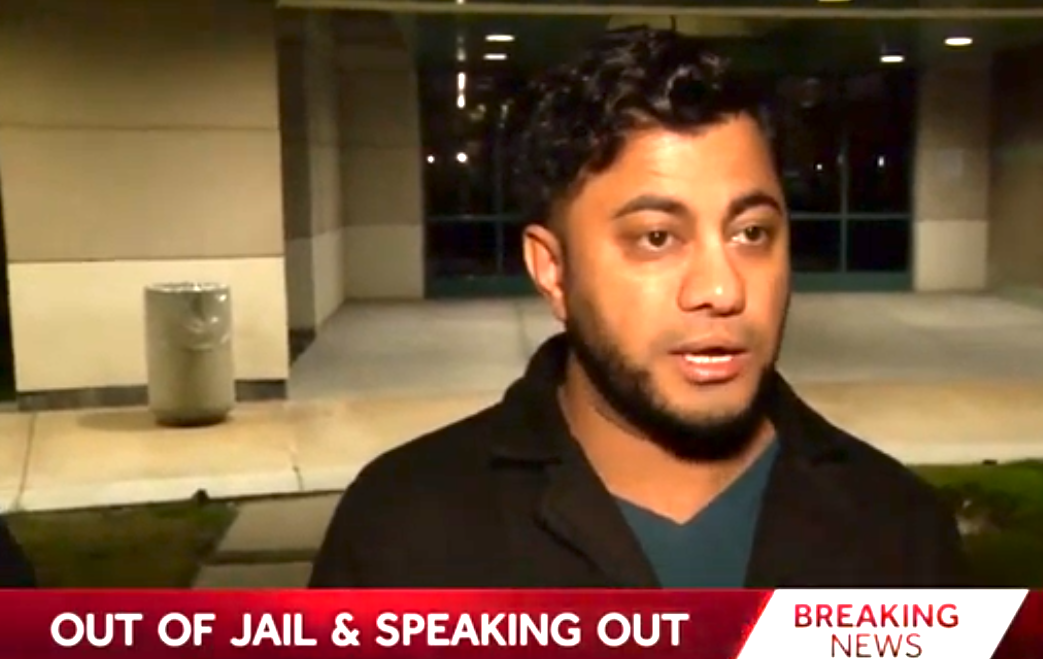
In an unusual turn of events that captured local attention, former Lodi City Councilman Shakir Khan secured a seat in the 2020 municipal elections, despite being arrested just one week prior to Election Day. Reports indicate that Khan, who represented District 4, faced serious allegations from the San Joaquin County Sheriff, including operating an illegal gambling casino in Stockton, engaging in money laundering, tax evasion, and committing Economic Employment Development (EDD) fraud. His victory, by a margin of 282 votes over three opponents, including the incumbent, was considered surprising given the gravity of the accusations. Despite the pre-election legal entanglement, Khan was sworn into office and proceeded to serve for two years, reportedly delivering a relatively productive tenure before the district attorney formally pressed charges against him, a process that took at least a year following his initial arrest.
Khan’s journey to the Lodi City Council is rooted in a compelling personal narrative. He immigrated to Lodi from Pakistan approximately 23 years ago, initially speaking no English. His early years in America saw him and his family residing in a modest one-bedroom apartment on Lodi’s eastside, with his father joining them several years later after managing the family farm back home. Khan reportedly faced challenges during his schooling at Washington Elementary on Lockeford Street, where he claims to have experienced bullying due to his language barrier. These formative experiences, according to sources, fueled his concern for the local Pakistani community, predominantly located on the city’s eastside, which he perceived as under-represented in City Hall and largely disengaged from the political process, with many members having never participated in an election. This observation ultimately motivated him to seek public office.
The specific allegations leading to Khan's pre-election arrest were detailed by the San Joaquin County Sheriff. He was accused of owning and operating an illegal gambling establishment situated in Stockton, alongside charges of money laundering, tax evasion, and defrauding the Economic Employment Development (EDD) system. These serious claims emerged just seven days before the crucial 2020 election. Despite the cloud of these accusations, Khan's campaign resonated with voters, culminating in a victory where he garnered 282 more votes than his closest competitor, successfully unseating an incumbent and two other challengers. Following his surprising win, Khan was formally sworn into his council position. He then served for a period of two years, representing District 4, during which time his performance was described as 'relatively productive,' even as the legal process regarding the initial allegations slowly unfolded, with the district attorney taking over a year to formally press charges.
The circumstances surrounding Shakir Khan's election and subsequent service raise significant questions about the intersection of local politics, public trust, and the judicial system. The fact that a candidate could be arrested on multiple serious felony allegations just days before an election, still win, and then serve two years before formal charges were even pressed, highlights an unusual sequence of events. This situation prompts reflection on voter awareness, the impact of pre-election news on public opinion, and the procedural timelines within the legal framework. While Khan's motivation stemmed from a desire to empower his community, his tenure was undeniably overshadowed by the ongoing investigation. The delay of 'at least a year' for the district attorney to press charges, as reported, also invites scrutiny into the pace and complexities of prosecuting such cases, especially when involving an elected official. This unique scenario underscores the challenges in maintaining public confidence when serious allegations are leveled against those in positions of power, even as due process takes its course.
The case of former Lodi Councilman Shakir Khan stands as a remarkable example of an individual's journey from immigrant to elected official, complicated by significant legal challenges. His initial motivation to address the perceived under-representation of his community led him to a surprising victory in the 2020 Lodi City Council election, an outcome made even more extraordinary by his arrest on multiple felony allegations just a week prior. Khan's two years of service, reportedly productive, occurred under the shadow of these serious accusations, with formal charges not being pressed until over a year after his initial detention. As the legal proceedings against him moved forward, the full implications of this unprecedented situation for Lodi's political landscape and its residents remain a focal point of ongoing interest. The resolution of the charges pressed against him will undoubtedly be a key development to watch in the coming period, further shaping the narrative of this unique chapter in local governance.