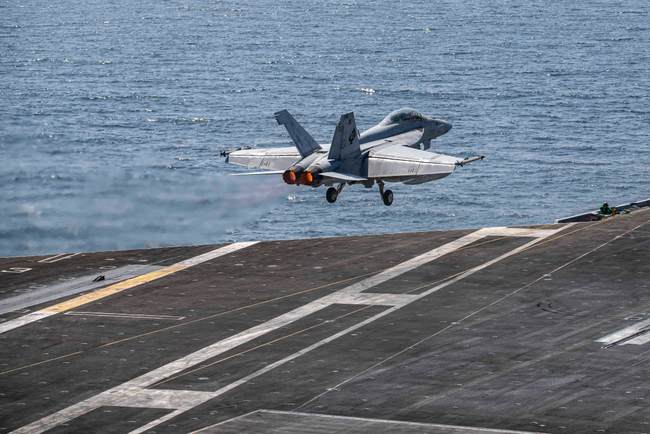
U.S. Central Command (CENTCOM) announced early Sunday morning that three American service members lost their lives and five others sustained serious injuries during ongoing military engagements designated as Operation Epic Fury. The report, issued from Tampa, Florida, specified that as of 9:30 AM ET on March 1, these casualties had occurred. Additionally, several other personnel experienced minor shrapnel wounds and concussions, with efforts underway to return them to active duty. Officials indicated that major combat operations are continuing, and response efforts remain active, describing the situation as dynamic. Out of profound respect for the affected families, CENTCOM stated it would delay releasing further details, including the identities of those killed, until 24 hours after their next of kin have been formally notified. This announcement underscores the inherent dangers faced by U.S. forces in current operational theaters.
This somber update from CENTCOM arrives amidst a period of significantly heightened rhetoric and military actions involving the United States and Iran. Just the day prior, on Saturday, Secretary of War Pete Hegseth issued a stark warning to Iran, asserting that any actions resulting in the death or endangerment of Americans globally would provoke a decisive and lethal U.S. response. Following this, President Donald Trump also delivered a forceful message, directly addressing Iran's stated intention to launch unprecedented strikes. President Trump unequivocally cautioned against such actions, threatening an overwhelming retaliatory force "that has never been seen before" should Iran proceed. These high-level warnings set a tense backdrop for the reported casualties and ongoing military operations, signaling a critical phase in the regional standoff.
The CENTCOM report on casualties also coincides with President Trump's earlier announcement detailing significant damage inflicted upon Iranian military assets. According to President Trump's statement, nine Iranian naval vessels have been destroyed and sunk, and the primary headquarters of the Iranian navy has been neutralized. He further declared the U.S. intention to target remaining Iranian naval forces, stating, "They will soon be floating at the bottom of the sea, also!" These assertive claims highlight a robust and aggressive U.S. military posture in response to perceived Iranian threats. The ongoing nature of Operation Epic Fury, as described by CENTCOM, suggests that these engagements are part of a broader, active military campaign, with the situation remaining fluid and requiring continuous assessment by military planners.
The reported casualties and the destruction of Iranian naval assets mark a significant escalation in the ongoing tensions between the United States and Iran, signaling a potentially dangerous new phase in their long-standing animosity. The direct targeting of naval vessels and a strategic headquarters, as indicated by President Trump, suggests a deliberate and forceful application of military power aimed at degrading Iran's operational capabilities. This aggressive stance, coupled with the stern warnings from both the Secretary of War and the President, underscores a clear shift towards a more confrontational policy. The decision by CENTCOM to withhold specific details about the casualties and the precise location of Operation Epic Fury further emphasizes the sensitivity and active nature of the current military environment, indicating that operations are likely ongoing and highly dynamic. This situation carries profound implications for regional stability and international security, with potential for broader geopolitical repercussions.
In summary, the United States has confirmed the tragic loss of three service members and serious injuries to five others during Operation Epic Fury, an ongoing military engagement. These casualties occur against a backdrop of heightened U.S.-Iran tensions, characterized by explicit warnings from top U.S. officials and President Trump's announcement of significant damage inflicted upon Iranian naval forces and their headquarters. The situation remains fluid, with major combat operations continuing and further details about the fallen service members pending next-of-kin notification. The coming days will be crucial in observing how these developments impact regional dynamics and whether further military actions or diplomatic efforts emerge to de-escalate or intensify the current confrontation.