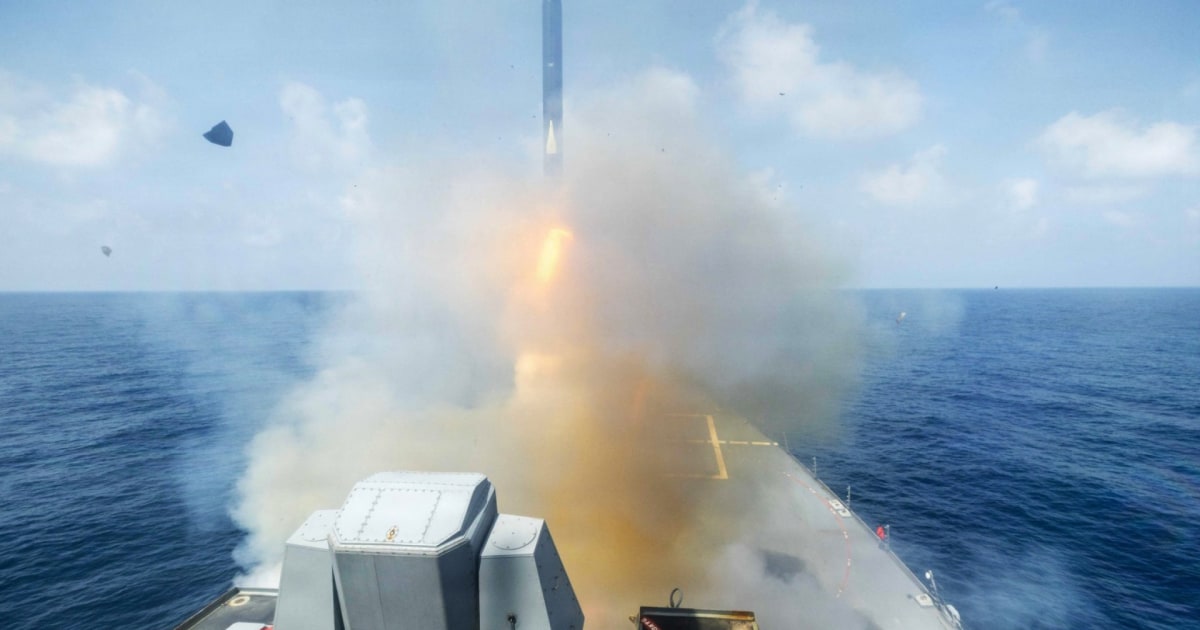
United States Central Command (CENTCOM) has confirmed the tragic deaths of three American service members and serious injuries to five others as part of an ongoing military initiative dubbed Operation Epic Fury. The incident, reported on March 1, 2026, marks a significant escalation in regional tensions, drawing international concern. Military sources indicated that the fallen personnel were members of an Army sustainment unit primarily based in Kuwait, highlighting the logistical support role U.S. forces play in the volatile region. This somber announcement comes amidst a period of intense military activities and reciprocal strikes across the Middle East, particularly involving Iran and Israel. The specific circumstances surrounding the "Iranian operation" mentioned in conjunction with the U.S. casualties underscore the complex and dangerous environment in which American forces are operating, as the region grapples with a rapidly evolving geopolitical landscape. The precise duration and specific objectives of Operation Epic Fury are now under intense scrutiny following this devastating loss, with officials expected to provide further details on the scope of the mission and the nature of the threats encountered.
The deaths of the U.S. service members are set against a backdrop of intensifying conflict across the Middle East. Reports indicate that Israel has initiated a new wave of strikes targeting missile systems within Iran, signaling a significant expansion of hostilities. Concurrently, a missile reportedly penetrated Israeli defenses, striking Tel Aviv, where air raid sirens were heard live on television, causing widespread alarm. Further complicating the regional picture, missile attacks were also observed at a U.S. Navy center located in Bahrain, suggesting a broader pattern of aggression impacting American assets. These events follow earlier reports of a missile strike outside Jerusalem, where victims sought refuge in a bomb shelter. Perhaps the most impactful development, however, was the confirmation by Iranian state media of the death of Ayatollah Ali Khamenei, the supreme leader of Iran. This news, if definitively true, could precipitate a profound power vacuum and significant internal instability within Iran, further destabilizing an already fragile region. The confluence of these aggressive actions and leadership changes paints a grim picture for immediate regional stability.
The reported death of Ayatollah Ali Khamenei has become a central, albeit contested, point of discussion. While Iranian state media confirmed his demise, the Iranian foreign minister later publicly stated that, "as far as I know," the supreme leader was still alive, introducing considerable uncertainty and conflicting narratives. Former U.S. President Donald Trump, however, asserted that Iran's supreme leader was killed in a joint operation by the United States and Israel, adding that "we feel that is a correct story." This claim was echoed by Israeli Prime Minister Benjamin Netanyahu, who, in an address to the Iranian people, suggested that the joint operation would usher in regional peace. The sentiment within Israel appears to align with this aggressive stance, with a former Israeli ambassador to the U.S. indicating "overwhelming support" in Israel for the attacks on Iran. Meanwhile, the escalating conflict has sparked international reactions, including an "emergency protest" held by demonstrators in Times Square, highlighting global concern over the unfolding events. The missile strike outside Jerusalem, which forced civilians into bomb shelters, further illustrates the immediate and dire human impact of the ongoing hostilities.
The current escalation carries profound implications for regional stability and international relations. Former President Trump's explicit call for regime change in Iran, which the Iranian foreign minister dismissed as "mission impossible," underscores the maximalist objectives some parties hold. Republican Representative Bacon articulated a similar hardline stance, stating that "the world cannot coexist with the ayatollah and his regime," suggesting a fundamental incompatibility that necessitates a drastic shift in Iran's leadership. Such rhetoric, combined with the confirmed strikes and casualties, raises the specter of a broader, more protracted conflict. Experts suggest that if the Iranian regime were to collapse, the country could face significant political and societal challenges, potentially leading to widespread chaos or a power struggle with unpredictable outcomes. On the domestic front in the U.S., the escalating military involvement has prompted calls for congressional action. Senator Kim emphasized the necessity for Congress to reassemble for a war powers resolution vote, indicating a desire for legislative oversight and a formal authorization for military engagement. The reactions from both sides of Congress to the strikes in Iran are reportedly varied, reflecting the deep divisions and complexities inherent in U.S. foreign policy decisions regarding the Middle East.
The tragic loss of three U.S. service members in Operation Epic Fury, coupled with the widespread military actions across the Middle East, signifies a critical juncture in the region's ongoing instability. The conflicting reports surrounding the fate of Ayatollah Ali Khamenei, alongside the confirmed Israeli strikes on Iran and missile attacks impacting both Israeli and U.S. assets, underscore the extreme volatility of the current environment. As the United States Central Command assesses the future of Operation Epic Fury, the international community watches closely for further developments. The calls for congressional deliberation on war powers resolutions highlight the gravity of the situation and the potential for deeper U.S. involvement. The coming days will likely reveal more about the true extent of the damage, the political repercussions within Iran, and the path forward for all parties involved, as the region teeters on the brink of further widespread conflict.