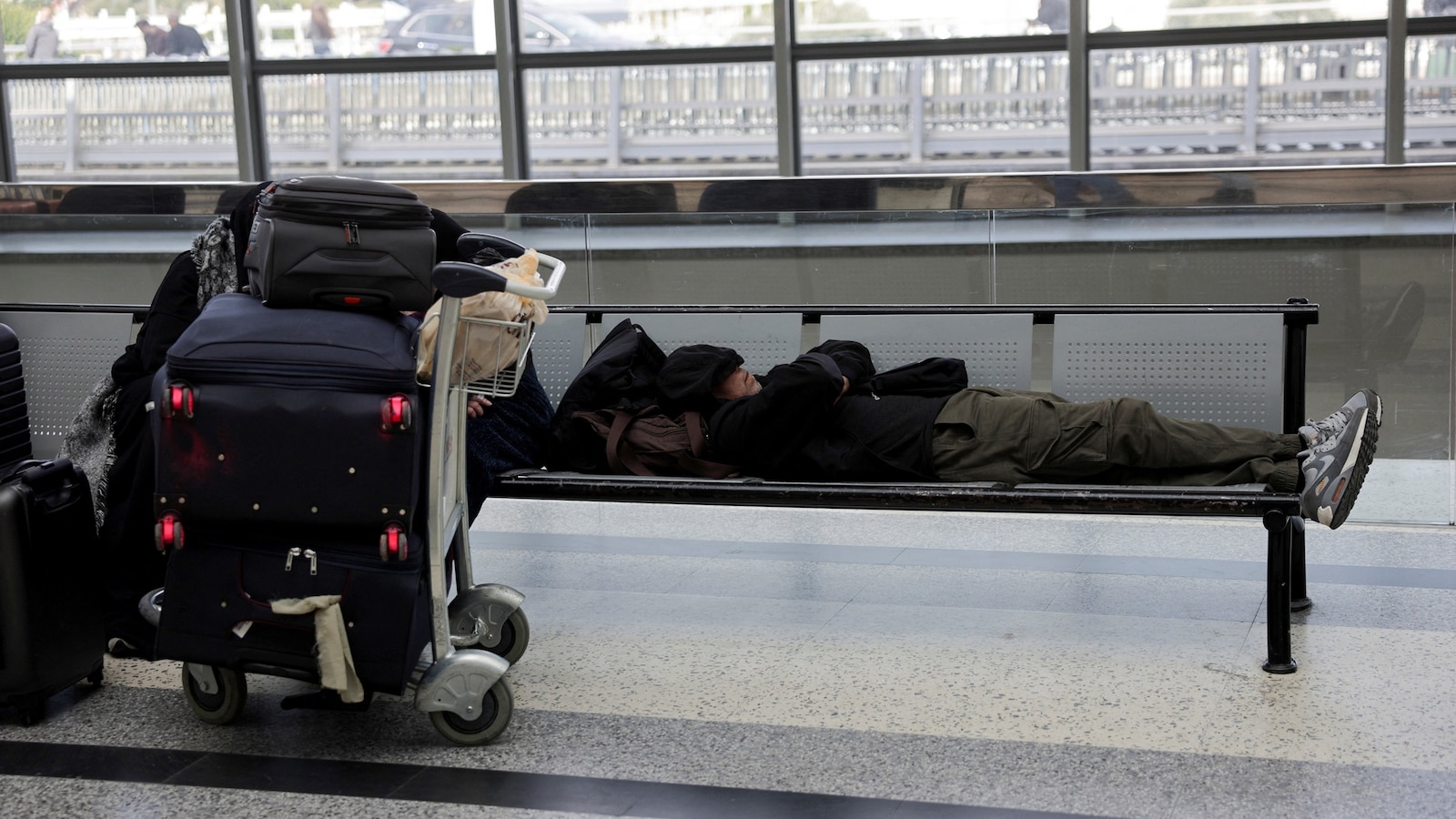
The United States State Department announced on Wednesday the deployment of charter flights to facilitate the return of American citizens who have become stranded across the Middle East following the recent outbreak of conflict with Iran. This initiative comes days after combat operations led to widespread airspace closures and significant travel disruptions, leaving thousands of U.S. travelers unable to depart the region. A charter flight was reportedly already en route to the United States, marking a critical step in the ongoing efforts to assist Americans seeking to return home. According to statements from the White House, over 17,500 American citizens have already successfully returned to the U.S. However, reports indicate that hundreds of thousands more remain in the Middle East, grappling with canceled commercial flights and other logistical hurdles that have made independent travel exceedingly difficult. The State Department's action aims to address this growing humanitarian and logistical challenge, with further flights anticipated from key regional hubs.
The current predicament for American travelers stems directly from the escalation of hostilities following joint U.S.-Israel military actions against Iran, which commenced on Saturday. These operations swiftly led to a volatile security environment and the subsequent closure of vital airspace throughout the Middle East, effectively grounding numerous commercial flights and disrupting international travel networks. Three days into the military engagement, on Monday, the U.S. State Department issued a travel advisory urging American citizens to leave 14 countries in the region immediately, ideally via commercial means. However, as numerous stranded individuals have reported, the widespread flight cancellations and severe operational disruptions have rendered this advice largely impractical, leaving many in a precarious situation with limited options for departure. The scale of the disruption highlights the profound impact of geopolitical events on civilian mobility and the complexities involved in managing large-scale evacuations under rapidly evolving circumstances.
Among those directly affected by the travel chaos and regional instability is Chris Elliott, a pastor from Lexington, North Carolina, who recounted his family's harrowing experience while visiting sites in Jerusalem. According to his statements to ABC News, he and his family found themselves taking refuge in a bomb shelter as air raid sirens blared and incoming missiles were intercepted overhead. Elliott expressed a strong desire for Americans to be on American soil given the escalating dangers. His daughter, Riley Elliott, also shared her perspective with ABC News, describing the situation as both frustrating and frightening, particularly the experience of being woken by the sounds of sirens while sheltering in place since the joint military operations began. The State Department has indicated that additional charter flights are scheduled to depart from several critical locations, including the United Arab Emirates, Qatar, Saudi Arabia, and Israel, aiming to provide relief to the substantial number of U.S. citizens still awaiting repatriation.
The unfolding crisis and the subsequent need for large-scale repatriation efforts have drawn scrutiny towards the Trump administration's preparedness. Reports indicate that the administration is facing criticism for an apparent lack of a pre-emptive strategy to ensure the safety and timely evacuation of American citizens ahead of the joint military operation. This situation raises significant questions regarding crisis management protocols and the efficacy of pre-conflict planning when U.S. citizens are present in potentially volatile regions. Experts suggest that such large-scale disruptions underscore the importance of robust contingency plans, not only for military operations but also for the protection of civilian populations abroad. The challenges encountered by stranded travelers highlight the broader implications of regional conflicts on global mobility and the responsibilities of governments to their citizens in times of international crisis, potentially influencing future travel advisories and diplomatic engagement strategies.
As charter flights continue to be organized, the State Department's efforts represent a crucial intervention to bring home thousands of Americans caught in the crossfire of the Iran conflict. While over 17,500 individuals have already returned, a significant number still await assistance, underscoring the ongoing logistical challenges. The experiences of families like the Elliotts serve as a stark reminder of the human cost of geopolitical tensions and the sudden disruption they can bring to ordinary lives. Moving forward, observers will be closely watching for further announcements regarding additional flights and the overall easing of travel restrictions in the Middle East. The effectiveness of these repatriation efforts and any subsequent policy adjustments regarding travel advisories and citizen protection will be key indicators of the administration's response to this complex and evolving situation.