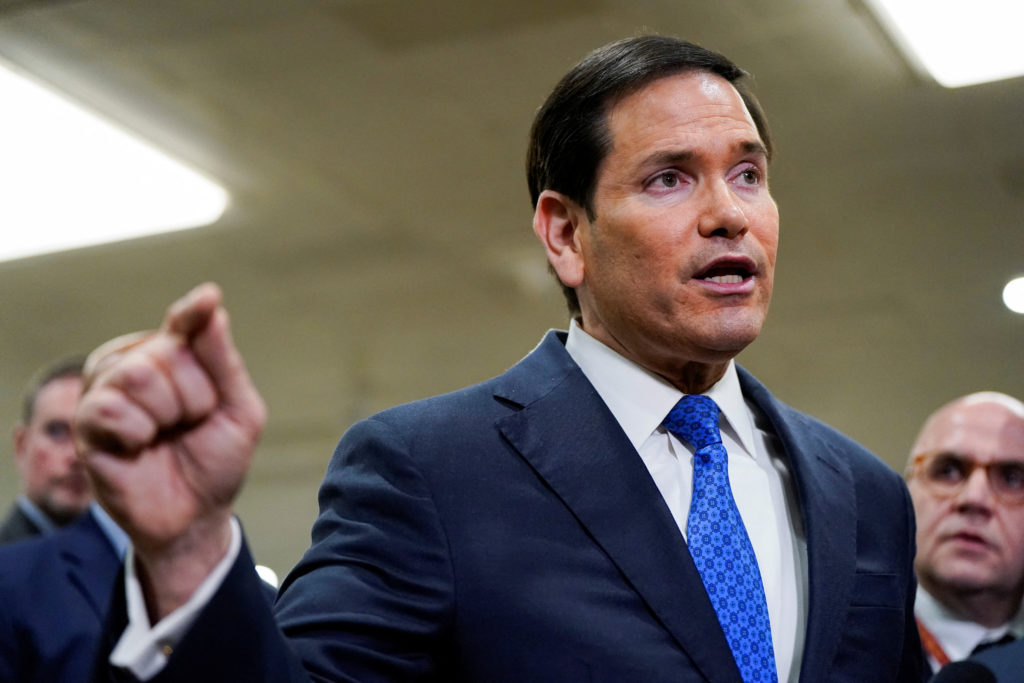
Secretary of State Marco Rubio has confirmed that the United States State Department is actively coordinating extensive plans to facilitate the departure of American citizens from the Middle East region. This urgent initiative, which includes arranging both commercial charter flights and leveraging military transport capabilities, comes as the ongoing military confrontation between the U.S. and Iran is reportedly intensifying. According to statements attributed to Secretary Rubio, these measures are a direct response to the escalating hostilities, which he characterized as a 'spiraling' conflict. The top diplomat also took the opportunity to publicly defend recent American military engagements targeting Iran, underscoring the administration's rationale behind these actions amidst growing international concern. The comprehensive evacuation strategy aims to ensure the safety and swift relocation of U.S. nationals caught in the increasingly volatile geopolitical landscape, reflecting a significant shift in the operational posture of the State Department in the region.
The current escalation marks a critical juncture in the long-standing, often fraught, relationship between the United States and Iran. Reports indicate that the situation has deteriorated significantly, moving beyond traditional diplomatic tensions to overt military engagements, a development that has prompted the designation of current U.S. operations as 'Operation Epic Fury.' This latest phase of heightened conflict follows a period characterized by mutual accusations, proxy confrontations, and strategic military posturing across the Middle East. Historically, the region has been a flashpoint for geopolitical rivalries, with both nations vying for influence and security interests. The decision to mobilize resources for a large-scale citizen evacuation underscores the gravity of the current environment, signaling that officials perceive a substantial and immediate threat to American lives. This development is a stark reminder of the delicate balance of power in the Middle East and the potential for regional instability to rapidly escalate into broader international crises.
The State Department's efforts to organize departures for American citizens involve a complex logistical undertaking. Officials, speaking under the guidance of Secretary Rubio, detailed plans for securing various transportation methods, including dedicated charter flights for those able to travel commercially, and potentially military assets for situations requiring more direct intervention or access to restricted areas. This dual approach aims to provide flexibility and capacity to accommodate potentially thousands of Americans residing, working, or traveling throughout the Middle East. The process is expected to involve close coordination with regional allies and international partners to ensure safe passage and minimize risks. Furthermore, the State Department is anticipated to issue updated travel advisories and provide detailed instructions to U.S. citizens regarding registration for these evacuation options, emphasizing the urgency of their departure given the rapidly evolving security situation. These measures highlight the significant commitment of resources to protect American lives abroad during times of profound international crisis.
The implications of this spiraling conflict and the subsequent evacuation efforts extend far beyond the immediate safety of American citizens. Analysts suggest that the U.S. government's decision to defend its military actions against Iran, coupled with the initiation of a large-scale evacuation, signals a significant hardening of its stance and potentially a prolonged period of confrontation. Experts in international relations warn that such an escalation could destabilize the broader Middle East, impacting global energy markets, international trade routes, and humanitarian conditions. The move to evacuate also sends a clear message to regional actors and international observers about the perceived level of threat and the potential for further military engagements. Diplomatic channels, while likely still open, appear to be under immense strain, with the focus shifting towards crisis management and the protection of national interests. The long-term consequences for regional alliances and the global balance of power remain uncertain, contingent on the trajectory of 'Operation Epic Fury' and subsequent political responses.
In summary, the United States is currently navigating a critical period of escalating conflict with Iran, prompting the State Department, under Secretary Marco Rubio's direction, to initiate comprehensive plans for the evacuation of American citizens from the Middle East. This strategic move, involving both charter and military transport options, underscores the perceived severity of the 'spiraling' hostilities and the U.S. government's commitment to citizen safety. As 'Operation Epic Fury' unfolds, the international community will be closely observing the trajectory of this conflict, its impact on regional stability, and any potential diplomatic overtures. The immediate focus remains on facilitating safe departures for Americans, while the broader geopolitical ramifications of these intensifying confrontations continue to develop, promising a period of sustained vigilance and uncertainty in the Middle East.