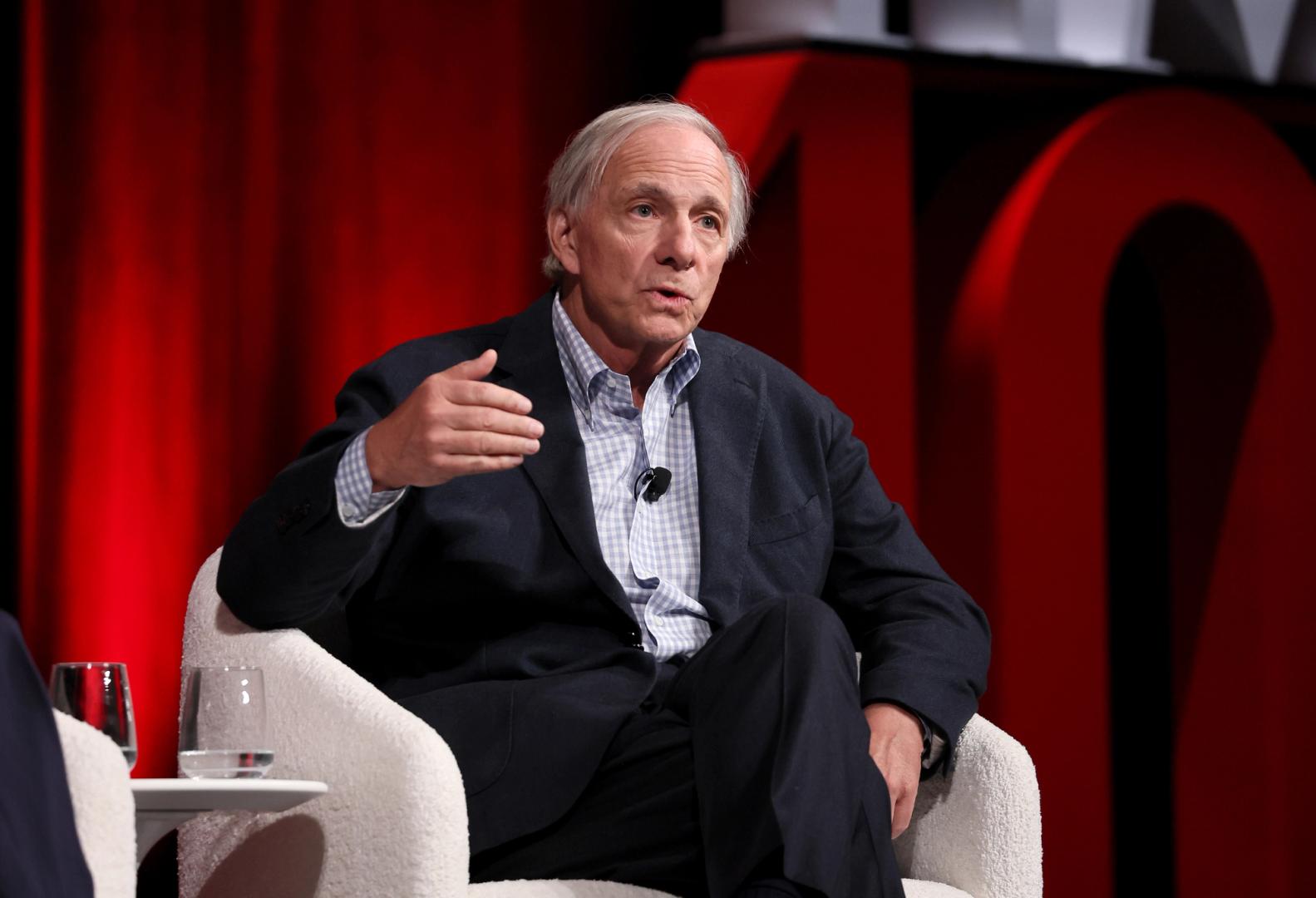
Prominent figures within the cryptocurrency sector are actively challenging recent critiques leveled against Bitcoin by billionaire hedge fund manager Ray Dalio. According to reports, Dalio, the founder of Bridgewater Associates, recently expressed renewed skepticism during an appearance on the All-In Podcast, asserting that the leading digital asset lacks fundamental qualities comparable to gold. His concerns reportedly centered on Bitcoin's perceived transparency, the absence of central bank endorsement, and potential vulnerabilities stemming from future advancements in quantum computing. However, industry leaders such as Matt Hougan, Chief Investment Officer at Bitwise, along with Alex Thorn from Galaxy and Matthew Sigel of VanEck, have swiftly pushed back against these assertions. They contend that Dalio's points represent long-standing discussions within the crypto community, which are either already factored into Bitcoin's market valuation or are actively being addressed through ongoing technological innovation and increasing adoption, suggesting that these are 'tired narratives' that overlook the asset's evolving landscape.
Dalio's recent remarks are not his first foray into critical commentary regarding the digital asset space. Sources indicate that the seasoned investor previously voiced similar reservations last year, highlighting concerns about Bitcoin's traceability and its susceptibility to quantum computing threats as potential impediments to its role as a global reserve asset. Despite his skepticism, Dalio has publicly disclosed maintaining approximately a 1% allocation to Bitcoin, a detail that adds a layer of complexity to his public stance. Crypto industry analysts suggest that the very risks Dalio identifies, such as the public nature of its ledger which allows for transaction monitoring, are precisely why Bitcoin currently commands a significantly smaller market capitalization compared to gold. This perspective posits that the asset's current valuation already reflects these perceived weaknesses, implying that its future growth potential is tied to the successful mitigation or re-framing of these challenges, transforming perceived risks into opportunities for long-term investors.
The counterarguments from crypto experts delve deeper into the nuances of Bitcoin's market position and developmental trajectory. Matt Hougan of Bitwise, for instance, reportedly emphasized that Bitcoin's current market size, which is approximately 4% of gold's total market value, inherently accounts for the very risks Dalio outlines. Hougan suggests that long-term investors are making a calculated bet that these challenges will be effectively resolved over time, thereby unlocking substantial future growth. Furthermore, Alex Thorn from Galaxy and Matthew Sigel of VanEck reportedly countered Dalio's specific points by highlighting Bitcoin's continuous growth in adoption and utility across various sectors. They also pointed out that the industry is actively engaged in developing solutions to mitigate potential threats from quantum computing, indicating a proactive approach to future technological risks rather than a passive acceptance of vulnerability. These experts argue that the asset's public ledger, while raising privacy concerns for some, also offers unparalleled transparency and immutability, which are considered foundational strengths by many in the digital asset community.
This ongoing debate between traditional finance stalwarts like Ray Dalio and proponents of digital assets underscores a fundamental philosophical divide regarding the future of value and currency. Dalio's perspective, rooted in established economic principles and the historical role of gold, emphasizes attributes like central bank backing and inherent physical scarcity. Conversely, the crypto community views Bitcoin's decentralized nature and technological innovation as its core strengths, offering a new paradigm for financial systems. Experts suggest that the 'risks' highlighted by Dalio, such as the lack of central authority, are precisely what make Bitcoin appealing to those seeking an alternative to conventional, government-controlled currencies. The discussion around quantum computing, while a legitimate long-term concern for all encryption-based systems, is seen by many in the crypto space as a challenge that will be met with evolving cryptographic solutions, much like other technological hurdles have been overcome in the past. This clash of viewpoints highlights the dynamic and often contentious evolution of financial thought in the digital age, with significant implications for investment strategies and global economic structures.
In conclusion, the renewed skepticism from Ray Dalio regarding Bitcoin's long-term viability and its comparison to gold has ignited a robust defense from leading figures in the cryptocurrency industry. While Dalio's concerns about central bank backing, privacy, and quantum computing are acknowledged, crypto experts largely view these as either already priced into the asset's current valuation or as solvable challenges that the industry is actively addressing. The core disagreement revolves around whether Bitcoin's unique attributes, which diverge from traditional assets like gold, represent insurmountable flaws or fundamental strengths that will drive future growth. As the digital asset landscape continues to mature, observers will be keenly watching for further technological advancements, regulatory clarity, and sustained adoption rates that could either validate Dalio's cautionary stance or affirm the bullish outlook of Bitcoin's proponents, shaping its trajectory in the global financial ecosystem.