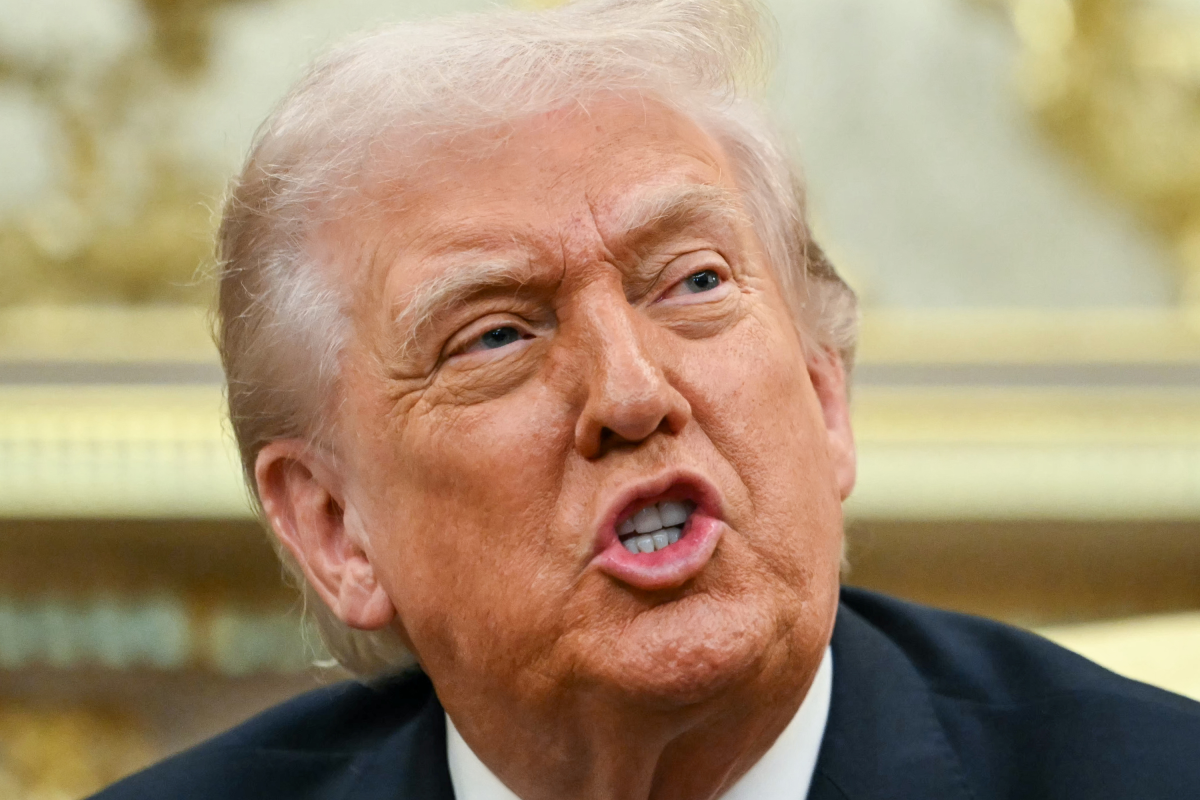
President Donald Trump's job approval rating among independent voters has experienced a notable increase, marking a reversal of a consistent downward trend observed over several weeks, according to recent polling data. This shift represents a significant development concerning a demographic widely recognized as pivotal in determining electoral outcomes. While the overall standing of the President with this group remains challenging, the modest improvement offers a rare indication of movement among a crucial swing constituency. In response to inquiries regarding the President's standing, White House spokesman Davis Ingle conveyed in an emailed statement to Newsweek last week that the definitive measure of public sentiment occurred on November 5, 2024, when, as he asserted, nearly 80 million Americans decisively chose President Trump to implement his widely supported and practical policy agenda. This uptick in approval, though slight, could signal evolving political dynamics as the nation approaches future electoral cycles.
The sentiment of independent voters holds substantial weight in the American political landscape, frequently acting as the decisive factor in closely contested elections and playing a critical role in shaping the trajectory of upcoming contests, such as the 2026 midterm elections. Even minor fluctuations in approval ratings within this group can serve as early indicators of broader political momentum for either major party, or conversely, as warning signs necessitating strategic adjustments. These voters, often characterized as occupying the political middle ground, are known for their fluidity and willingness to shift allegiances based on current events and policy performance. For President Trump, navigating the preferences of this segment has been a persistent challenge, with his approval among independents generally struggling. The recent improvement, while noteworthy, comes after an extended period of declining numbers, underscoring the volatile nature of this key demographic's support.
A series of polls conducted by CBS News has meticulously tracked President Trump's standing among independent voters, illustrating a steady decline throughout the early part of 2026 before showing a slight recovery in late February. This recent upward movement, however, does not entirely erase the broader picture, as his approval within this group is still considered to be significantly low overall. More specifically, a CBS News/YouGov survey conducted between December 17 and 19, 2025, which polled 2,300 adults across the United States, highlighted the challenges President Trump faced with independents during that period. The findings indicated that only 33 percent of independent voters approved of his job performance, while a substantial 67 percent expressed disapproval. This detailed data provides a snapshot of the sentiment that preceded the more recent, albeit modest, improvement observed in subsequent polling.
Analysts suggest that even marginal shifts in approval among independent voters can carry significant implications for the political strategies of both the incumbent administration and the opposition parties as they look ahead to the November elections. The volatility of this demographic means that their mood can quickly change, influenced by a myriad of factors ranging from economic conditions to specific policy debates. For President Trump, any positive movement, however small, could be interpreted as a sign of potential stabilization or even a nascent rebound in support, offering a glimmer of encouragement for his political allies. Conversely, for the opposition, this uptick might prompt a re-evaluation of their messaging and outreach efforts, emphasizing the need to actively court these swing voters. The ongoing challenge for all political actors remains to understand the underlying motivations behind these shifts and to craft compelling narratives that resonate with the country's political middle.
In summary, the recent polling data indicating an increase in President Donald Trump's approval rating among independent voters represents a notable, albeit modest, reversal of a previous downward trend. While the White House maintains that the ultimate electoral validation occurred in November 2024, the continuous monitoring of independent voter sentiment remains crucial due to their decisive role in future elections, particularly the upcoming 2026 midterms. Despite this recent uptick, President Trump's overall standing with this key demographic continues to face significant challenges, with a majority still expressing disapproval in earlier surveys. Political observers will be closely watching whether this slight improvement signals a more sustained shift or merely a temporary fluctuation in the ever-dynamic landscape of American public opinion.