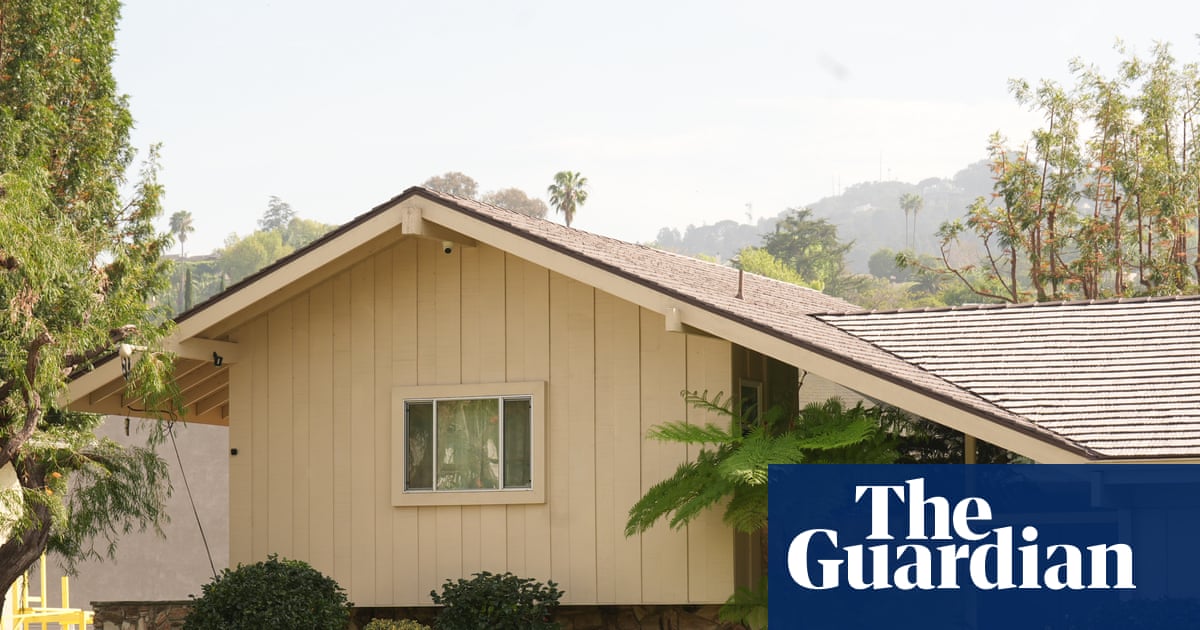
In a significant move for pop culture preservation, the Los Angeles City Council has unanimously voted to confer historic-cultural monument status upon the residence famously recognized as the exterior of 'The Brady Bunch' house. This decision, reached on Wednesday, officially designates the modest mid-century property situated on Dilling Avenue in the San Fernando Valley as a protected landmark. The house served as the instantly recognizable backdrop for the beloved television sitcom, which captivated audiences from 1969 to 1974 and continued its legacy through decades of syndication. This new designation provides a crucial layer of protection for the structure, acknowledging its profound cultural impact and its role as a cherished symbol for generations of fans who have made it a destination for nostalgic visits. Officials stated that the unanimous vote underscores the widespread recognition of the property's unique place in the city's historical and cultural fabric, extending beyond traditional architectural merit to embrace its iconic status in entertainment history.
The house's journey to landmark status is deeply intertwined with the enduring popularity of 'The Brady Bunch,' a show that chronicled the humorous adventures of a blended family comprising six children. While the interior scenes of the sitcom were filmed on a soundstage, featuring sets that bore no resemblance to the actual home's internal layout, the exterior shots of the shingle-and-stone residence with its distinctive peaked roof became an indelible image in American television. Constructed in 1959, the property's architectural style is characteristic of its era, yet its fame stems almost entirely from its association with the fictional Brady family. Beyond its initial television run, the house's image was further cemented in popular culture through its appearance in subsequent big-screen adaptations, including 'The Brady Bunch Movie' in 1995 and its sequel, reinforcing its status as a pilgrimage site for enthusiasts of the show. This consistent presence across different media platforms has ensured its recognition as a significant cultural touchstone for multiple generations.
The newly granted landmark status provides substantial protection for the Dilling Avenue property, primarily safeguarding it from potential demolition or extensive, unsympathetic renovations. However, officials clarified that this designation does not impose an absolute prohibition on all future alterations. Should property owners decide to undertake significant modifications, such plans would be subject to a rigorous design review process. During this review, the city's Cultural Heritage Commission would possess the authority to delay any proposed changes, allowing time to explore and implement solutions that prioritize the preservation of the home's historic and cultural integrity. This protective framework was actively championed by the non-profit organization LA Conservancy, which played a pivotal role in advocating for the landmark designation. Adrian Scott Fine, the chief executive of the LA Conservancy, expressed immense satisfaction with the approval, noting, "If you watched The Brady Bunch, you knew this house. People make a pilgrimage to see it," highlighting the deep personal connection fans feel to the iconic residence.
The decision to recognize the 'Brady Bunch' house as a historic-cultural monument signifies a broader evolution in how cities define and preserve their heritage. Traditionally, landmark status has often been reserved for structures of significant architectural merit or those associated with pivotal historical events. However, this designation for a property primarily famous for its role in a television sitcom underscores a growing appreciation for cultural landmarks that resonate deeply within the collective public consciousness. Experts suggest this trend reflects an understanding that popular culture, like traditional history, shapes identity and provides shared reference points for communities. Preserving such sites can foster cultural tourism, create educational opportunities, and ensure that the tangible links to beloved narratives remain accessible. This move sets a precedent, indicating that the emotional and nostalgic value a building holds for millions can be as compelling a reason for preservation as its structural design or age, thereby expanding the scope of what constitutes a 'historic' asset in a modern urban landscape.
In conclusion, the Los Angeles City Council's unanimous vote marks a significant victory for cultural preservation, ensuring the iconic 'Brady Bunch' house will endure as a protected historic-cultural monument. This designation not only safeguards a tangible piece of television history but also acknowledges the profound and lasting impact of popular media on societal memory and identity. While the status protects the property from arbitrary demolition or major changes, it also establishes a clear process for future modifications, balancing preservation with property rights. The successful advocacy by organizations like the LA Conservancy highlights the power of public sentiment and dedicated efforts in shaping urban heritage policy. Moving forward, this decision could inspire similar preservation efforts for other culturally significant, yet perhaps not traditionally historic, sites, prompting a re-evaluation of what truly constitutes a valuable landmark in the eyes of a community and its history.