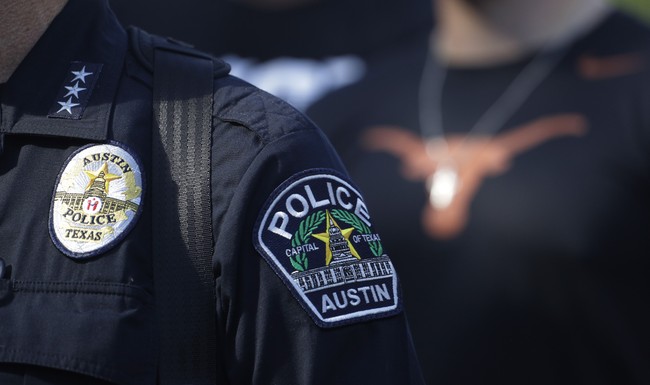
A deadly shooting rampage at an Austin, Texas, bar in the early hours of Sunday morning resulted in three fatalities and left fourteen individuals wounded, several of whom are reportedly in critical condition at local hospitals. The incident, which unfolded at Buford’s Backyard Beer Garden near the University of Texas-Austin campus, saw a rapid response from Austin police officers who engaged and ultimately killed the unidentified gunman at the scene. The investigation into this tragic event has taken a significant turn with the swift involvement of the FBI Joint Terrorism Task Force, an indication of the serious nature of the inquiry. An FBI official confirmed in a press conference that materials discovered with the shooter provided "indications of a potential nexus to terrorism," according to reports from Tony Plohetski, though officials were careful to note that this finding does not yet establish a definitive motive for the attack. The identities of both the perpetrator and the victims have not yet been publicly released as authorities continue their intensive investigation.
The involvement of the FBI's Joint Terrorism Task Force so early in the investigation underscores the gravity of the situation and immediately elevates the scope of the inquiry beyond a typical criminal act. This specialized unit, comprising federal, state, and local law enforcement personnel, is designed to investigate and prevent acts of terrorism, suggesting that initial findings pointed towards a more complex and potentially ideologically driven incident. The shooting occurred in a bustling entertainment district, a location often characterized by large crowds, particularly on a weekend night, which could have amplified the potential for casualties. Austin police officials lauded the exceptionally quick response of three officers who were patrolling the area; they arrived at the scene within 57 seconds of the initial reports, confronted the assailant, and neutralized the threat, actions that may have prevented further loss of life. This rapid intervention is a critical aspect of the unfolding narrative, especially as the broader implications of a potential terror link are explored, coming amidst other recent security concerns and heightened vigilance.
Specific details emerging from the scene paint a grim picture of the violence that erupted just before 2 a.m. on Sunday. Three individuals lost their lives in the attack, and fourteen others sustained injuries, with several reportedly fighting for their lives in critical condition, according to medical and law enforcement sources. The location, Buford’s Backyard Beer Garden, a popular establishment in downtown Austin situated in close proximity to the University of Texas-Austin, was reportedly packed with patrons at the time of the shooting. The swift and decisive actions of the Austin Police Department were highlighted by officials, who confirmed that three officers, already on patrol in the vibrant entertainment district, responded to calls of a male shooter. Their arrival within less than a minute allowed them to directly confront the gunman, leading to an exchange of gunfire that resulted in the suspect's death. While an FBI official confirmed the discovery of materials suggesting a "potential nexus to terrorism," the precise nature of these materials — whether digital, written, or other forms of evidence — has not been disclosed, nor has any specific motivation been attributed to the assailant at this preliminary stage of the investigation.
The revelation of a "potential nexus to terrorism" significantly broadens the scope of the ongoing investigation, shifting it from a localized criminal inquiry to one with national and potentially international implications. Such findings often prompt investigators to meticulously examine the perpetrator's background, digital footprint, communications, and any associations, seeking to uncover motives, affiliations, or a broader network. While the FBI has cautioned against prematurely assigning motivation, the presence of materials indicating a terror link suggests that authorities are exploring possibilities ranging from domestic extremism to international terrorist ideologies. Experts in security and counter-terrorism note that even a 'potential' link necessitates a comprehensive intelligence-gathering effort to understand the full context and prevent future incidents. This development will undoubtedly raise concerns among the public regarding safety in crowded venues and could lead to enhanced security measures in entertainment districts across the country. The rapid police response, while commendable, also underscores the immediate and unpredictable nature of such threats, highlighting the critical role of first responders in mitigating casualties.
As the Austin community grapples with the aftermath of this devastating shooting, the focus remains squarely on the ongoing investigation led by the FBI Joint Terrorism Task Force. The immediate priorities for authorities include identifying the deceased gunman and the victims, clarifying the nature of the materials that indicated a potential terror link, and ultimately determining the assailant's motivation. The coming days and weeks are expected to bring more details as forensic analyses are completed and witness testimonies are processed. This incident serves as a stark reminder of the persistent threats faced by public spaces and the complex challenges law enforcement agencies confront. GlobalTruthWire will continue to monitor this developing story closely, providing updates as official information becomes available and the full picture of this tragic event comes into focus, emphasizing the need for continued vigilance and thorough investigation to ensure public safety.