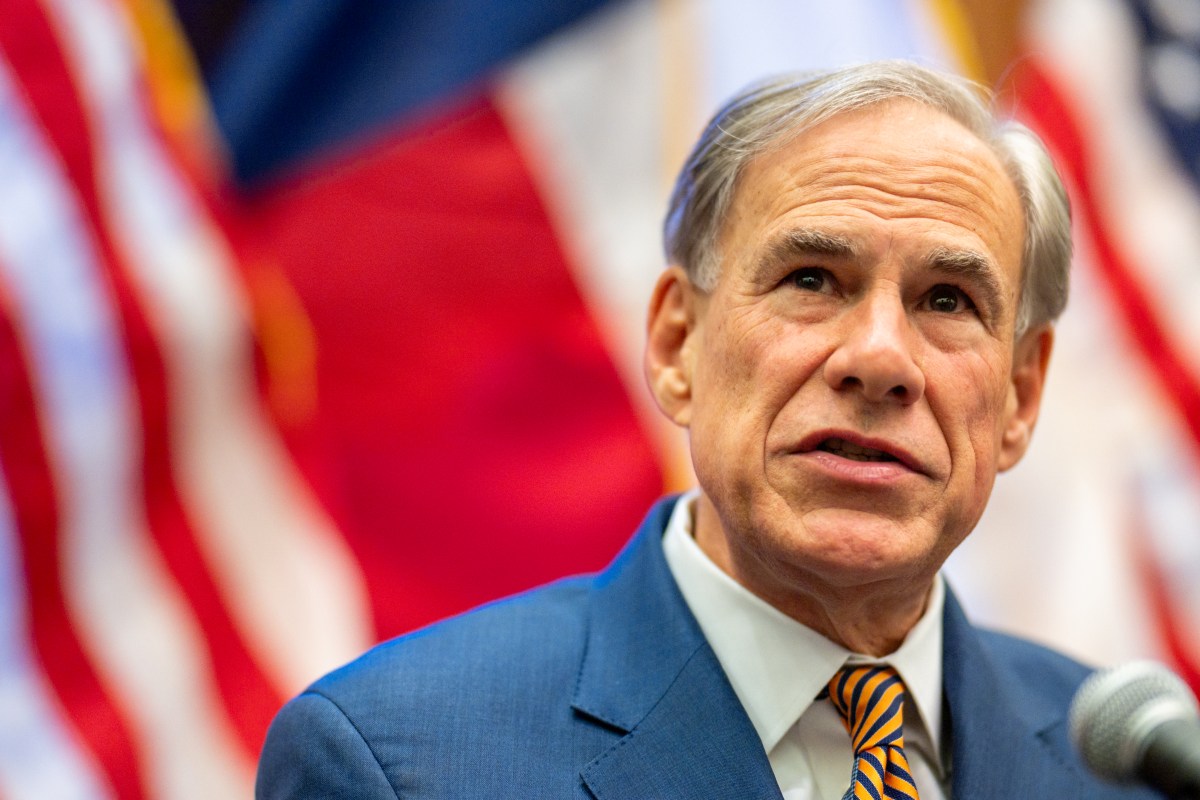
A tragic incident unfolded in downtown Austin early Sunday, resulting in the deaths of three individuals and the hospitalization of fourteen others following a shooting. In the aftermath, Texas Governor Greg Abbott swiftly characterized the event as an "act of terror" and attributed blame to what he termed an "unvetted immigrant loophole." This pronouncement prompted state authorities to implement heightened security measures across Texas. Reports from Fox News identified the alleged perpetrator as Ndiaga Diagne, 53, a naturalized U.S. citizen who originally hailed from Senegal. The suspect, who reportedly became a U.S. citizen in 2013, had previously resided in New York City before establishing a home in Pflugerville, Texas, according to the same outlet. Governor Abbott's strong statements have ignited a significant public discourse, intertwining the immediate tragedy with broader debates on immigration policy and national security.
The governor's remarks gain additional context from a recent geopolitical development. On the preceding Saturday, military actions were reportedly undertaken by the U.S. and Israel against targets within Iran, an operation that Iranian state media claimed resulted in the death of Iran's Supreme Leader, Ayatollah Ali Khamenei. Governor Abbott explicitly linked the Austin shooting to this international climate, issuing a press release that warned of Texas's readiness to respond to any attempts to exploit the ongoing Middle East conflict to threaten the state. This connection underscores a heightened state of alert and a perceived nexus between global events and domestic security concerns. The classification of a domestic shooting as an "act of terror" by a state's highest official carries significant weight, potentially influencing public perception, policy responses, and the scope of subsequent investigations, moving beyond a standard criminal inquiry into the realm of national security threats.
Further elaborating on his position, Governor Abbott engaged in a public exchange on the social media platform X, responding directly to state Representative James Talarico, who is a candidate in the upcoming Democratic primary for U.S. Senate. Abbott directly challenged Talarico's focus on "gun show loopholes," asserting instead that "the problem here, James, is not the gun show loophole. It's the unvetted immigrant loophole." The governor continued by stating that the practice of "allowing unvetted immigrants who are hostile to America, who are loyal to our adversaries like Iran, must end." He reiterated his conviction, declaring, "This was an act of terror, James. The way to end it is to end the current open immigration policies. You and your immigration policies would make America less safe." These specific statements underscore a clear political stance, directly linking the Austin incident to immigration policies and framing it within a broader geopolitical conflict, despite reports indicating the suspect's status as a naturalized citizen since 2013.
Governor Abbott's assertive characterization of the Austin shooting as an "act of terror" and his immediate linkage to immigration policies, particularly an "unvetted immigrant loophole," introduces a potent political dimension to a tragic event. This rhetoric, especially when juxtaposed with the reported status of the suspect as a naturalized U.S. citizen for over a decade, raises questions about the precise definition and application of "unvetted" in this context. Such strong statements from a state leader can significantly shape public discourse, potentially influencing legislative priorities and public opinion on both immigration reform and national security measures. The timing of these remarks, amidst a U.S. Senate primary campaign where Representative Talarico is a contender, also highlights the political landscape in which these discussions are unfolding. Experts often differentiate between acts of individual violence and acts of terrorism, which typically involve ideological motivation aimed at coercing a government or populace, suggesting a need for careful consideration of such labels.
The Austin shooting has not only resulted in a tragic loss of life and numerous injuries but has also become a focal point for intense political debate, particularly concerning immigration and national security. Governor Abbott's swift declaration of the event as an "act of terror" and his pointed critique of current immigration policies underscore a significant ideological divide. While state officials have already increased security measures across Texas, the ongoing investigation into the suspect, Ndiaga Diagne, and the precise motivations behind his alleged actions will be crucial in understanding the full scope of this incident. As this remains a developing story, further details from law enforcement and potential political responses are anticipated, promising continued scrutiny of both the event itself and the broader policy implications raised by state leadership.