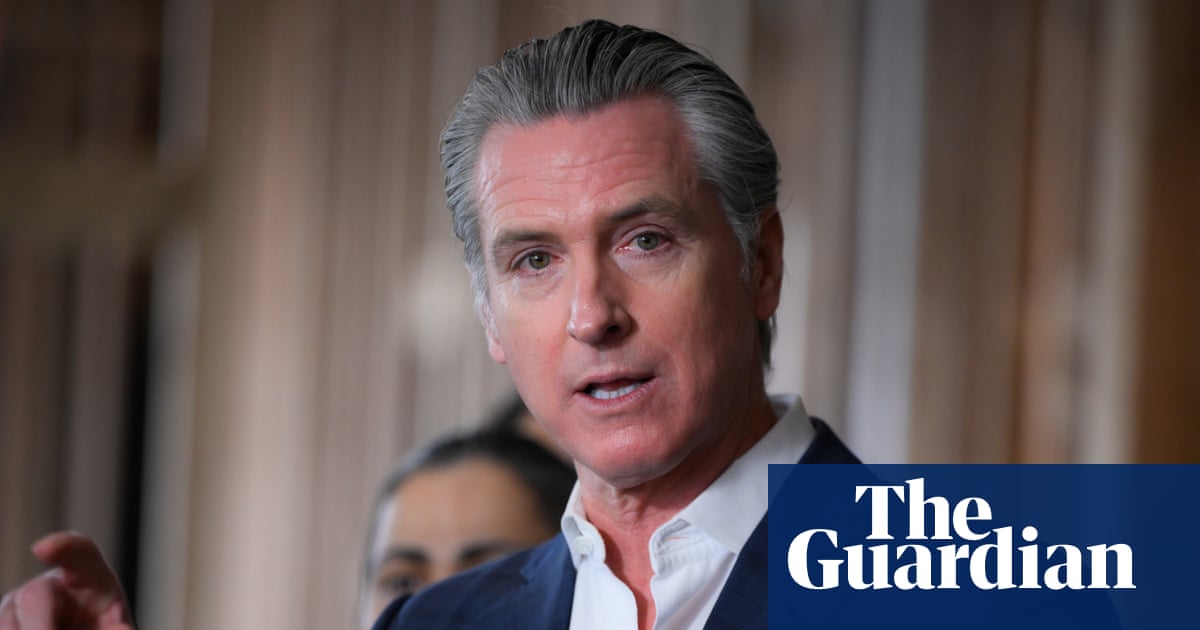
California Governor Gavin Newsom, a prominent figure within the Democratic Party and a potential contender for the 2028 presidential nomination, recently made highly critical remarks concerning Israel, according to reports. During a public appearance in Los Angeles on Tuesday, the governor reportedly characterized Israel as an "apartheid state." These comments emerged while Newsom was promoting his recently published memoir, and they were delivered in response to a direct inquiry about the future of the United States' military alliance with Israel. Furthermore, sources indicate that Newsom also voiced strong disapproval of what he described as a "joint war" involving both the United States and Israel against Iran. The statements, which have drawn significant attention, underscore a notable shift in rhetoric from a high-profile American political leader regarding long-standing foreign policy matters in the Middle East, potentially signaling evolving perspectives within the Democratic Party's upper echelons.
The context surrounding Governor Newsom's statements is particularly significant, given his widely recognized status as a leading candidate for the Democratic Party's presidential nomination in 2028. His public comments, therefore, carry substantial weight and are likely to be scrutinized for their implications on national and international policy discussions. The long-standing military partnership between the United States and Israel has historically been a cornerstone of American foreign policy in the Middle East, often enjoying bipartisan support. However, in recent years, there has been increasing debate within certain segments of the Democratic Party regarding the nature and extent of this alliance, particularly concerning Israel's policies towards Palestinians. Newsom's remarks, likening Israel to an "apartheid state" and criticizing military actions against Iran, represent a stark departure from more conventional political discourse and could resonate deeply with progressive factions while potentially alienating more centrist or pro-Israel elements within his party and the broader electorate.
The specific setting for these contentious remarks was a promotional event for Governor Newsom's book, titled "Young Man in a Hurry: A Memoir of Discovery," held in Los Angeles. During this event, a question was posed to the governor regarding whether the United States should re-evaluate its military partnership with Israel. It was in direct response to this inquiry that Newsom delivered his sharply critical assessment, as reported by various outlets. While the full transcript of his comments was not immediately available, the reported characterization of Israel as an "apartheid state" and his condemnation of a "joint war with the US against Iran" indicate a deliberate and forceful articulation of his views. These statements are particularly noteworthy for their directness and the use of terminology that has historically been associated with severe human rights criticisms, suggesting a calculated move to articulate a distinct foreign policy stance.
Analysts suggest that Governor Newsom's recent comments could have profound implications for his political trajectory, especially as he is widely considered a frontrunner for the 2028 Democratic presidential nomination. Such strong pronouncements on sensitive foreign policy issues like US-Israel relations and engagement with Iran could serve to solidify his appeal among the progressive wing of the Democratic Party, which has increasingly advocated for a re-evaluation of American foreign policy in the Middle East. Conversely, these remarks might draw criticism from more moderate Democrats, as well as Republican counterparts, who traditionally uphold a strong pro-Israel stance. Expert perspectives indicate that these statements could position Newsom as a distinct voice on the international stage, potentially shaping future debates within his party on foreign policy and national security, and forcing other potential candidates to articulate their own positions more clearly on these contentious issues.
In conclusion, Governor Gavin Newsom's recent characterization of Israel as an "apartheid state" and his criticism of a "joint war with the US against Iran" mark a significant moment in American political discourse. Delivered during a book promotion event in Los Angeles, these remarks underscore a potentially evolving stance within the Democratic Party regarding critical foreign policy matters. As a leading figure for the 2028 presidential nomination, Newsom's comments are likely to spark considerable debate and scrutiny, both domestically and internationally. Observers will be closely watching for reactions from other political leaders, foreign policy experts, and various advocacy groups, as these statements could influence the broader conversation on US foreign policy and shape the narrative surrounding Newsom's future political ambitions.