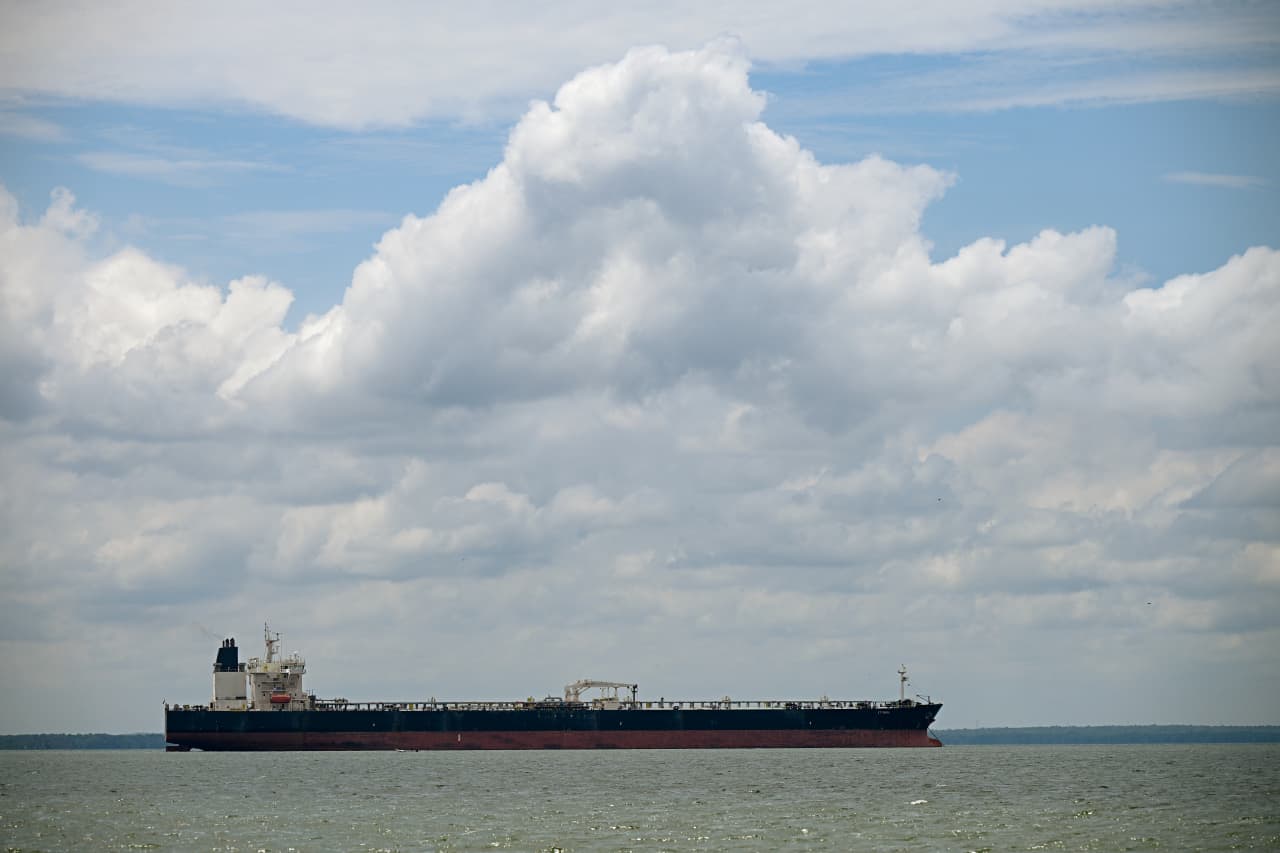
Global energy markets are bracing for significant volatility as crude oil trading prepares to resume, with market participants intensely focused on where prices will settle following a weekend marked by heightened geopolitical tensions. Ahead of the official market opening, traders are already leveraging specialized prediction platforms, such as Kalshi, to place wagers on the anticipated trajectory of crude oil benchmarks for Monday's trading session. This surge in speculative activity comes in the wake of reports concerning an attack on Iran over the weekend, a development that has injected considerable uncertainty into the global supply outlook. The use of these innovative financial instruments allows market players to gauge collective sentiment and potential price movements even before traditional exchanges commence operations, reflecting a proactive approach to risk assessment in a rapidly evolving geopolitical landscape. The immediate focus remains on how these early predictions will translate into actual market behavior once trading officially begins, setting the tone for the week's energy outlook amidst the backdrop of Middle Eastern instability.
The practice of utilizing prediction markets to anticipate financial outcomes has gained traction as a sophisticated tool for gauging collective market sentiment, particularly during periods of high uncertainty. Platforms like Kalshi offer a unique environment where participants can buy and sell contracts based on the probability of specific events occurring or reaching certain thresholds, effectively creating a real-time consensus on future market conditions. For crude oil, such mechanisms become especially critical given its inherent sensitivity to geopolitical developments, particularly those unfolding in the Middle East. Historically, any perceived threat to oil production, transit routes, or regional stability in major producing nations, including Iran, has consistently triggered significant price fluctuations. Iran, a key member of OPEC and a strategically vital country bordering the Strait of Hormuz—a crucial chokepoint for global oil shipments—plays an outsized role in the global energy supply chain. Therefore, any event impacting Iran or its immediate vicinity naturally prompts an immediate re-evaluation of supply risks and a corresponding adjustment in market expectations, making prediction markets a valuable barometer of immediate sentiment.
While official crude oil markets typically open with the start of the trading week, the period leading up to this can be characterized by intense speculation and information gathering. Traders on platforms like Kalshi are not merely guessing; they are factoring in a multitude of variables, including initial news reports, expert commentary, historical market reactions to similar events, and their own proprietary analysis of potential supply disruptions or demand shifts. The absence of concrete data regarding the precise impact of the reported attack on Iran means that market participants are operating with incomplete information, which often amplifies the risk premium embedded in oil prices. This environment fosters a dynamic where even unconfirmed reports can significantly sway sentiment, driving activity on prediction markets as traders attempt to price in various potential outcomes. The collective 'bets' placed on these platforms offer a preliminary, albeit unofficial, indication of where the market believes prices are headed, reflecting a consensus view on the likelihood of significant upward or downward adjustments once formal trading commences.
The broader implications of such geopolitical events extend far beyond immediate price movements in the crude oil market. Analysts suggest that sustained higher oil prices, fueled by ongoing instability, could have ripple effects across the global economy, potentially exacerbating inflationary pressures and impacting economic growth. For energy-importing nations, a sharp rise in crude oil costs translates into higher expenses for consumers and businesses, potentially dampening recovery efforts or triggering economic slowdowns. Conversely, major oil-exporting countries might see a boost in revenues, though this could be offset by global economic contraction. Experts emphasize that the initial market reaction, as reflected in prediction markets and subsequently in official trading, will be crucial in determining whether the current geopolitical tensions are perceived as a short-term disruption or a more enduring shift in the global energy landscape. The coming days will reveal if the market settles into a new equilibrium or if volatility persists as more definitive information emerges regarding the situation in Iran and its potential impact on oil supply.
As the global crude oil markets prepare for their official opening, all eyes remain fixed on the initial price movements, which will serve as the first concrete indication of how traditional exchanges are processing the weekend's geopolitical developments. The early activity on prediction markets like Kalshi underscores the heightened state of anticipation and the collective effort by traders to quantify the risks associated with reports of an attack on Iran. The immediate challenge for market participants will be to discern the actual impact of these events on supply and demand fundamentals, moving beyond initial speculation. What unfolds in the coming hours and days will be critical, not only for the energy sector but for the broader global economy, as stakeholders monitor for any signs of sustained disruption or a return to stability. The sensitivity of crude oil prices to Middle Eastern geopolitics remains a defining characteristic of the market, ensuring that developments in the region will continue to be a primary driver of energy market dynamics.