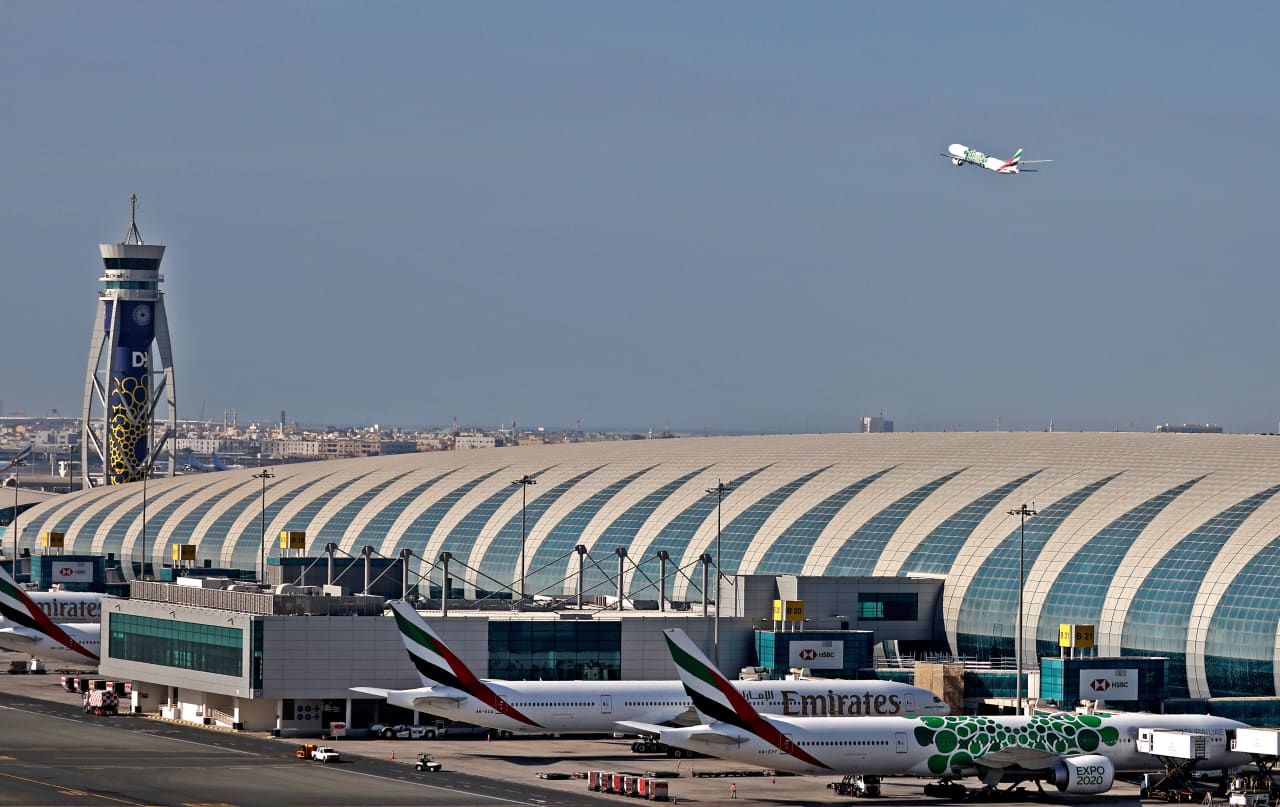
The bustling international airports of Dubai and Doha stand as pivotal gateways in the global aviation network, consistently ranking among the world's largest and busiest hubs for air travel, according to industry reports. These strategically located facilities serve as critical connectors between East and West, facilitating millions of passenger journeys and vast quantities of cargo annually. However, their immense importance also positions them at the forefront of potential vulnerability, particularly in the face of escalating geopolitical tensions within the broader Middle Eastern region. Aviation analysts and security experts are increasingly highlighting the profound risks that a hypothetical military confrontation, such as a U.S.-Israel attack on Iran, could pose to these vital air traffic arteries. Such a scenario, were it to unfold, could trigger widespread chaos across global air travel, disrupting flight paths, increasing operational costs, and potentially impacting the safety and reliability of air transit through one of the planet's most crucial aviation corridors. The implications would extend far beyond delayed flights, reverberating through international commerce, tourism, and global supply chains, underscoring the delicate balance between regional stability and worldwide connectivity.
The rise of Dubai International Airport (DXB) and Hamad International Airport (DOH) in Doha to their current status as global aviation powerhouses is a testament to strategic investment and geographical advantage. Positioned at the crossroads of three continents, these hubs have capitalized on their location to offer efficient, long-haul connections that bypass traditional European or North American stopovers. Data consistently shows that carriers like Emirates and Qatar Airways, headquartered at these airports, operate extensive networks reaching virtually every corner of the globe. This strategic positioning, while a boon for connectivity, also places them in close proximity to a region frequently characterized by complex geopolitical dynamics. The Persian Gulf, a vital shipping lane and a flashpoint for historical and ongoing tensions, directly borders Iran. Any significant military action or escalation of conflict in this area, particularly one involving major international powers, would inevitably impact the airspace and maritime routes that these airports and their associated airlines rely upon, threatening to unravel years of development and investment in regional aviation infrastructure.
Should a hypothetical U.S.-Israel military intervention against Iran materialize, the immediate and cascading effects on air travel would be severe, according to various security assessments. Experts warn that potential airspace closures over Iran and surrounding areas would necessitate extensive re-routing of flights, significantly increasing journey times and fuel consumption for carriers operating between Europe, Asia, and Africa. This would not only lead to higher operational costs for airlines but also translate into increased ticket prices for passengers and longer travel durations. Furthermore, the perceived security risk of flying near a conflict zone could deter passengers and prompt a downturn in demand for travel through the region. Industry observers also point to the potential for disruptions to air traffic control systems, heightened security protocols at airports, and increased insurance premiums for airlines, all contributing to a challenging operational environment. The interconnected nature of global aviation means that even localized disruptions in the Middle East could have ripple effects, causing delays and cancellations at airports thousands of miles away as flight schedules become unmanageable.
The broader implications of such a conflict extend well beyond the immediate disruption to passenger travel, posing significant challenges to global markets and economic stability. Aviation analysts emphasize that the Middle East's role as a critical air cargo hub means that supply chains for high-value goods, electronics, and perishable items would face substantial delays and increased costs. This could lead to price hikes for consumers and operational difficulties for businesses reliant on timely international shipping. Moreover, the region's burgeoning tourism sector, heavily dependent on the accessibility provided by Dubai and Doha, would likely suffer a severe downturn, impacting local economies. Expert perspectives suggest that a prolonged period of instability could also deter foreign investment, undermining long-term economic growth. The volatility in global oil prices, a common consequence of Middle Eastern conflicts, would further exacerbate the financial strain on airlines and consumers alike, creating a complex web of economic challenges that would resonate globally, underscoring the interconnectedness of geopolitical stability and market performance.
In conclusion, while Dubai and Doha airports stand as monumental achievements in global connectivity, their strategic location also renders them acutely vulnerable to regional geopolitical instability. The hypothetical scenario of a U.S.-Israel military engagement with Iran, though not an established fact, serves as a stark illustration of how quickly critical aviation infrastructure can be impacted by escalating tensions. The potential for widespread disruption to global air travel, significant economic repercussions for markets, and challenges to international supply chains underscores the urgent need for diplomatic solutions to de-escalate regional conflicts. As the world watches the delicate geopolitical balance in the Middle East, the continued smooth operation of these vital air hubs remains a key indicator of regional stability and a crucial factor for the health of the global economy. Observers will be closely monitoring any developments that could threaten the open skies above this indispensable crossroads of the world.