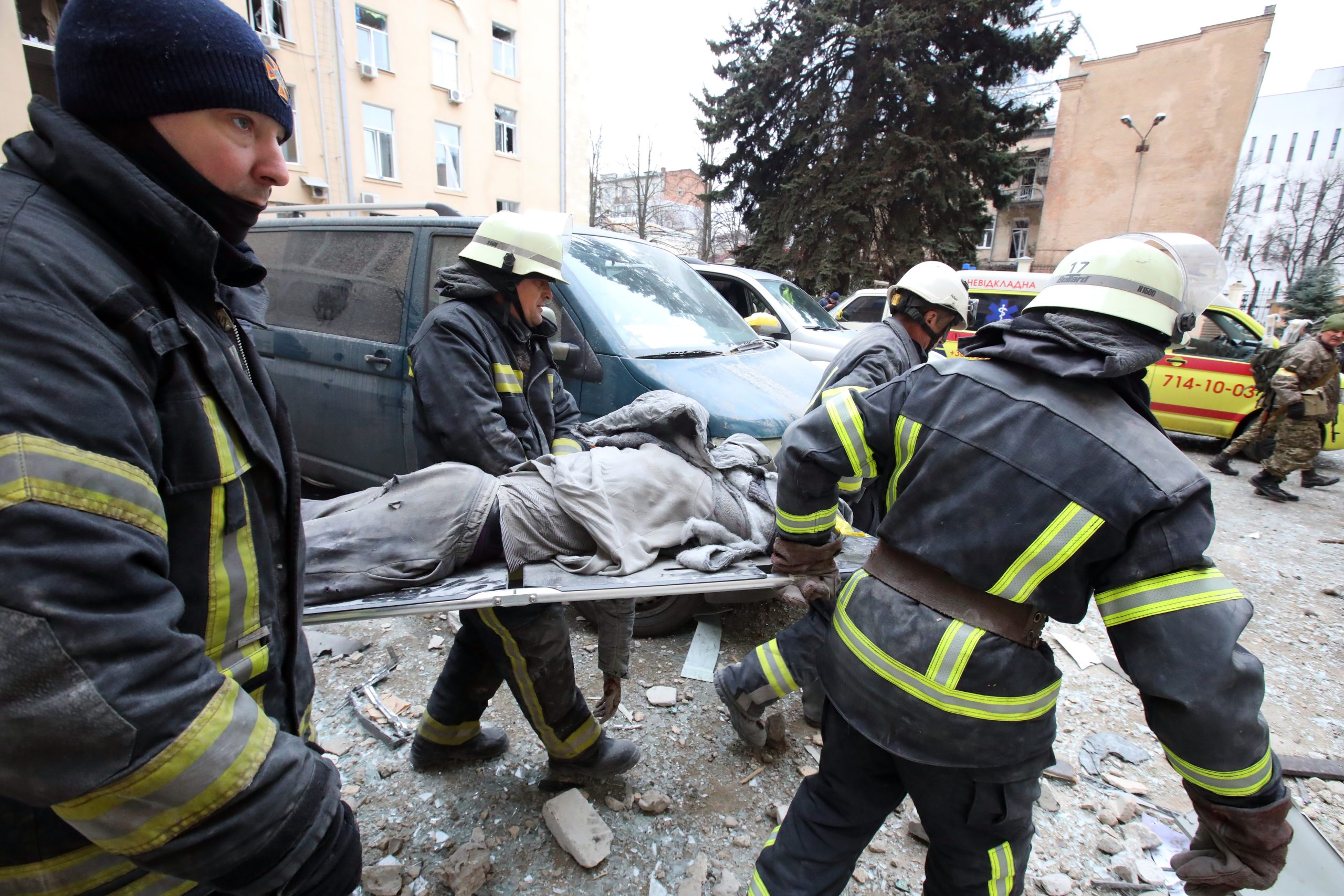
In a stark demonstration of the ongoing conflict's profound impact on civilian life, a community hospital situated in the tranquil, rural Ukrainian settlement of Krasnopillia was reportedly struck by an unmanned aerial vehicle during nighttime hours. Initial accounts indicate that the medical facility rapidly became engulfed in intense flames following the impact, sending substantial plumes of smoke billowing into the dark sky and scattering debris across the surrounding vicinity. This destructive event, which shattered the night's quiet with the distinct sound of the drone, directly underscores the persistent threat faced by essential civilian infrastructure in regions affected by hostilities. The incident highlights the vulnerability of healthcare facilities, particularly in less populated areas, to aerial assaults, raising serious concerns about the safety of patients and medical personnel who are striving to provide critical services amidst a brutal conflict. The targeting of such a vital institution represents a significant blow to the local community's ability to access medical care.
This recent attack on the Krasnopillia hospital occurs within the broader context of a protracted and devastating conflict that has continuously challenged Ukraine's civilian infrastructure and humanitarian efforts. Since the full-scale invasion commenced, numerous reports have detailed widespread damage to residential areas, schools, and medical facilities across the country. The deliberate or indiscriminate targeting of healthcare institutions is a grave concern, as these facilities are protected under international humanitarian law, specifically the Geneva Conventions. Such incidents not only result in immediate physical destruction and potential casualties but also severely cripple the long-term capacity of communities to provide essential services. For rural towns like Krasnopillia, a community hospital often serves as the primary, if not sole, source of medical care, making its incapacitation particularly devastating for residents who may already face limited access to specialized treatment or emergency services. The ongoing nature of these assaults contributes significantly to the humanitarian crisis unfolding across Ukraine.
While specific casualty figures for the Krasnopillia incident were not immediately available, the reported scale of the damage, with the facility rapidly consumed by fire and debris scattered widely, suggests a significant operational disruption. Attacks of this nature typically lead to the immediate evacuation of patients and staff, if possible, and render vital medical equipment unusable, further exacerbating the healthcare crisis in affected regions. The destruction of medical infrastructure, such as operating theaters, diagnostic equipment, and patient wards, has long-term consequences, requiring extensive resources and time for reconstruction, which are often scarce in active war zones. Officials have consistently highlighted the immense challenges faced by healthcare workers who continue to operate under constant threat, often with depleted resources and damaged facilities. The consistent reports of such strikes underscore a pattern of warfare that profoundly impacts the civilian population's access to fundamental human rights, including the right to health, as established by international conventions.
The targeting of a community hospital, as reported in Krasnopillia, carries profound implications for both the immediate humanitarian situation and the broader international legal framework governing armed conflicts. Experts in international law frequently emphasize that attacks on medical facilities, unless they are being used for military purposes, constitute potential war crimes. Such actions not only inflict direct harm but also create a climate of fear and insecurity, making it increasingly difficult for humanitarian organizations to operate and for civilians to seek necessary care. The broader strategy behind such attacks, according to some analysts, may be to demoralize the civilian population and degrade the adversary's ability to sustain its society, thereby increasing pressure on the government. However, these actions often draw widespread international condemnation and further isolate the perpetrators on the global stage, reinforcing calls for accountability and justice for those affected by the conflict.
The reported drone strike on the Krasnopillia community hospital serves as a stark reminder of the relentless and indiscriminate nature of the ongoing hostilities in Ukraine, where civilian infrastructure, including vital healthcare facilities, remains highly vulnerable. The incident underscores the urgent need for greater protection of non-combatants and essential services in conflict zones, consistent with international humanitarian law. As the conflict continues, the international community will undoubtedly monitor such events closely, with calls for investigations and accountability likely to intensify. The long-term recovery and rebuilding efforts in Ukraine will face immense challenges, particularly in restoring critical services like healthcare to communities that have endured such profound destruction. The resilience of medical professionals and local populations in the face of these adversities continues to be tested daily, highlighting the enduring human cost of the war.