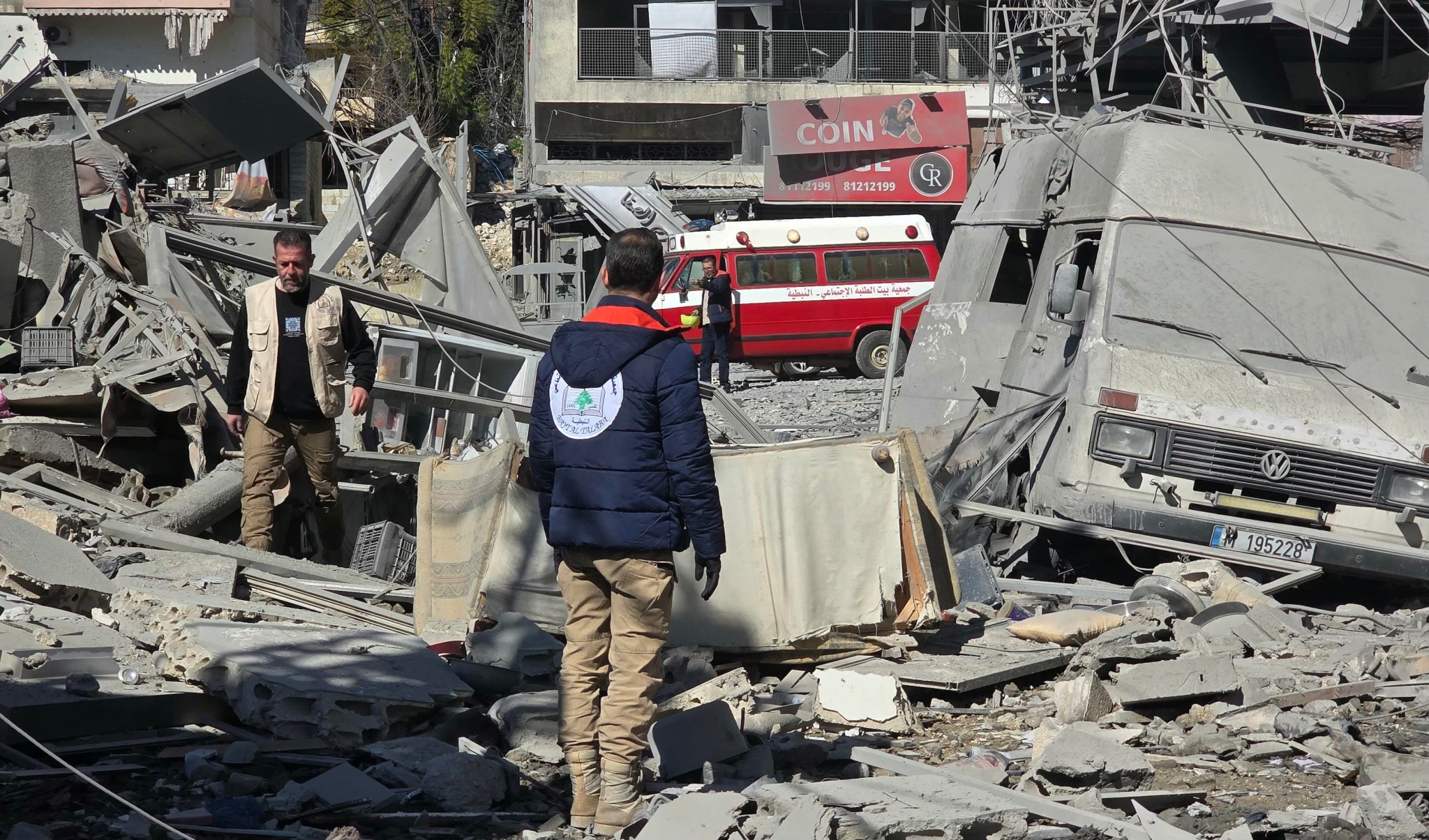
The ongoing conflict in the Middle East has rapidly expanded, drawing in at least 17 nations by recent counts, as the region enters its sixth day of intensified hostilities involving Iran and Israel. While global attention often fixates on the critical oil supply chains, a significant strategic question has emerged regarding the absence of attacks on vital water desalinization infrastructure in neighboring countries. Recent developments include confirmed naval engagements, with Iran's navy reportedly striking a tanker in the northern Arabian Gulf, an incident verified by United Kingdom authorities. This particular strike is notable for occurring far from the Strait of Hormuz, traditionally considered the primary flashpoint for maritime tensions in the region. Concurrently, reports indicate a U.S. submarine torpedoed an Iranian vessel in the Indian Ocean, leading to Sri Lankan authorities recovering numerous bodies. The widening scope of military actions and the strategic choices made by belligerents underscore a complex and rapidly evolving geopolitical landscape, where the security of essential resources like water may hold a different, perhaps more profound, strategic value than previously assumed, even as oil markets remain a constant concern for global leaders.
The escalating conflict has seen a dramatic geographical spread, pulling in a diverse array of international actors beyond the immediate adversaries. According to reports, countries now involved include Iran, Israel, the U.S., U.K., Qatar, UAE, Kuwait, Saudi Arabia, Azerbaijan, Italy, Bahrain, Oman, Lebanon, Jordan, Cyprus, France, and Germany. This broad participation highlights the interconnectedness of regional security and global interests. For instance, Azerbaijan has reported drone attacks from Iran, further illustrating the conflict's reach. Italy has pledged to send air defense equipment to Gulf nations facing threats, indicating a direct European involvement in bolstering regional security. Furthermore, the conflict's global repercussions are evident in the strain it places on military resources, with the ongoing hostilities reportedly depleting the global supply of Patriot missiles, crucial for Ukraine's defense against Russia. In an interesting turn, Ukraine has offered to supply the U.S. with interceptor drones, potentially aiding in countering Iranian Shahed drone attacks, demonstrating a complex web of alliances and resource reallocation in the face of widespread instability.
Specific military actions have marked the recent days of the conflict, illustrating its multifaceted nature. The confirmed strike by Iran's navy on a tanker in the northern Arabian Gulf, far from the Strait of Hormuz, represents a notable shift in the geographical focus of maritime engagements. This incident, corroborated by UK authorities, suggests an expansion of naval operational areas beyond traditional choke points. Simultaneously, a separate and grave incident unfolded in the Indian Ocean, where a U.S. submarine reportedly torpedoed an Iranian ship, with Sri Lankan authorities subsequently engaged in the recovery of dozens of bodies. These maritime clashes underscore the heightened risks to international shipping and naval assets across a vast expanse of water. The strategic importance of the Strait of Hormuz, however, remains undiminished, with Angeliki Frangou, CEO of Navios Maritime Partners, reportedly sharing insights into the challenges faced by vessels trapped within this critical maritime passage, highlighting the ongoing disruption to global trade and logistics caused by the conflict's presence.
While the immediate economic ramifications of the conflict often center on the global oil supply chain, with concerns raised about potential price surges if disruptions persist, a deeper strategic question emerges from the current hostilities: the curious absence of attacks on critical water desalinization plants. Historically, conflicts in arid regions have often seen infrastructure, particularly that vital for survival, become targets. Yet, despite the widespread involvement of nations and various military engagements, there have been no reported strikes on the sophisticated and vulnerable desalinization facilities that provide potable water to millions across the Gulf region. This strategic restraint, or perhaps a calculated omission, suggests a complex calculus at play. It could indicate an unspoken understanding among belligerents about the catastrophic humanitarian and long-term destabilizing effects of targeting such essential infrastructure, potentially crossing a threshold that even the most aggressive actors are unwilling to breach. This contrasts sharply with the explicit anxieties surrounding oil flows, suggesting that while oil represents immediate economic leverage, water security could represent an even more fundamental, albeit currently unassailed, strategic vulnerability in the region.
The ongoing Middle East conflict continues to broaden in scope and intensity, drawing an increasing number of nations into its orbit and presenting complex challenges to global stability. From naval confrontations far beyond traditional flashpoints to the strategic implications of resource security, the situation remains highly volatile. While the immediate focus often gravitates towards the impact on global oil supplies and the associated economic pressures, the strategic significance of water infrastructure, particularly desalinization plants, looms as a critical, yet currently untouched, vulnerability. The coming days will likely reveal whether the current patterns of engagement hold, or if the conflict's escalation will lead to new strategic calculations regarding essential resources. Observers will be closely watching for any shifts in military tactics, the humanitarian consequences of prolonged conflict, and the diplomatic efforts to de-escalate a situation that has already involved a significant portion of the international community, with the underlying question of water security potentially becoming a more overt strategic consideration.