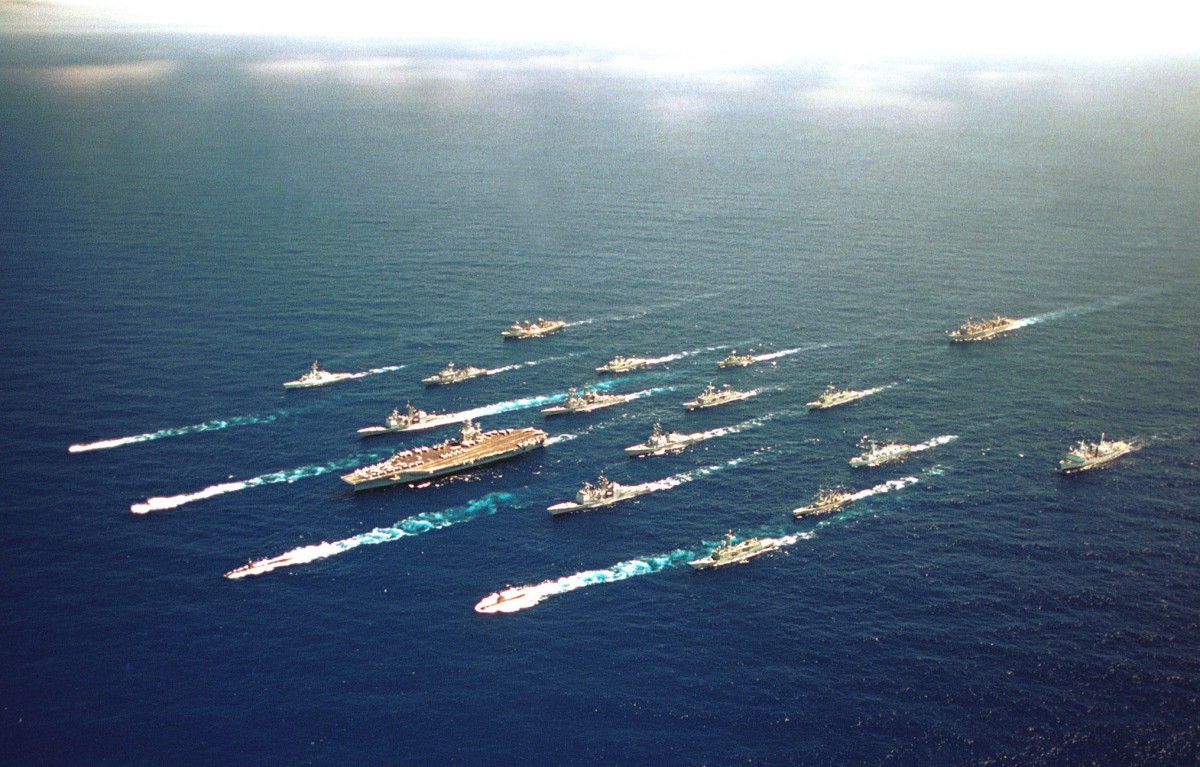
In a dramatic escalation of regional tensions, Iran's Islamic Revolutionary Guard Corps (IRGC) has asserted that its forces successfully targeted the American aircraft carrier USS Abraham Lincoln with four ballistic missiles. This significant claim, issued by the IRGC's Public Relations Office as part of an operation dubbed "True Promise 4," suggests a direct strike on a prominent U.S. Navy warship. However, the Pentagon swiftly refuted these allegations, stating unequivocally that the USS Abraham Lincoln was not hit and that the projectiles launched did not even approach the vessel. This conflicting narrative emerges amidst a period of heightened military activity, with the U.S. Department of Defense separately announcing the deaths of three American military personnel and serious injuries to five others during ongoing operations against Iran. These casualties mark the first reported fatalities among U.S. forces since the United States initiated extensive bombardments against Iranian targets and reportedly eliminated Iran's supreme leader just days prior, underscoring the volatile nature of the current geopolitical landscape.
The backdrop to these recent developments is a rapidly deteriorating security situation in the Middle East, following a series of aggressive actions and retaliatory strikes. The United States had previously launched what officials described as "massive bombardments" against various targets in Iran, culminating in the reported killing of Ayatollah Ali Khamenei, Iran's supreme leader. In the wake of this profound loss, Iran had publicly vowed to exact revenge, defying stern warnings from President Donald Trump, who had threatened an "unprecedented" response to any Iranian retaliation. This pledge of vengeance manifested in a series of strikes across the Gulf region, with reports of explosions heard in major cities including Riyadh, Dubai, Abu Dhabi, Doha, Manama, and Jerusalem. The IRGC's subsequent announcement of a "large-scale" attack on Sunday, which they now claim included the strike on the USS Abraham Lincoln, signals a new and dangerous phase in the ongoing confrontation, categorized by observers under the broader designation of "Operation Epic Fury."
According to the statement released by the IRGC, the alleged missile strike on the USS Abraham Lincoln was a direct consequence of recent military actions undertaken by Iran's armed forces against targets perceived to be associated with both the United States and Israel. The Guards' public relations office emphasized that the American aircraft carrier was impacted during this specific operation, further warning that the "land and sea will increasingly become the graveyard of the terrorist aggressors." This declaration was accompanied by an assertion that Iran's armed forces have now transitioned into a "new phase" of military engagement, indicating an intention to intensify operations across both maritime and terrestrial domains. Conversely, the U.S. Central Command, utilizing the social media platform X, firmly denied the Iranian claim, asserting that the USS Lincoln remained unharmed and that any launched missiles did not pose a threat. Simultaneously, the Pentagon confirmed that three U.S. service members were killed in action and five sustained serious wounds in an operation against Iran, though specific details regarding the nature or location of this incident were not immediately provided. These casualties represent the initial reported fatalities among U.S. personnel since the recent surge in American military actions against Iran, highlighting the tangible human cost of the escalating conflict.
The stark contrast between Iran's assertion of a successful strike on a U.S. aircraft carrier and the Pentagon's unequivocal denial introduces a significant layer of complexity and uncertainty into an already volatile regional dynamic. Such conflicting claims are common in periods of intense military confrontation, often serving strategic purposes related to morale, propaganda, and psychological warfare. From Iran's perspective, claiming a direct hit on a high-value U.S. asset like an aircraft carrier could be intended to project strength, deter further U.S. aggression, and demonstrate its capacity for retaliation following the death of its supreme leader. Conversely, the U.S. denial aims to maintain credibility, prevent panic, and avoid validating Iranian narratives of military success. The confirmed U.S. casualties, however, are an undeniable reality that underscores the lethal nature of the ongoing operations, regardless of the disputed carrier attack. This development is likely to intensify calls for de-escalation from international actors, yet also risks further entrenching both sides in a cycle of action and counter-action, potentially pushing the region closer to a broader conflict as Iran declares a "new phase" of military engagement.
In summary, the Middle East remains on high alert following Iran's unverified claim of a ballistic missile strike on the USS Abraham Lincoln, a claim vehemently rejected by U.S. defense officials. This dramatic assertion from the IRGC, part of their "Operation True Promise 4," is set against the backdrop of confirmed U.S. military fatalities—three killed and five wounded—in separate operations against Iran, marking a grim milestone in the escalating conflict. The conflicting reports underscore the information warfare inherent in modern confrontations, while the confirmed casualties highlight the very real dangers faced by military personnel. As Iran declares a "new phase" of intensified operations, the international community will be closely monitoring the Gulf for further military actions, diplomatic maneuvers, and any potential for independent verification of these contentious claims, all of which will shape the trajectory of this perilous regional standoff.