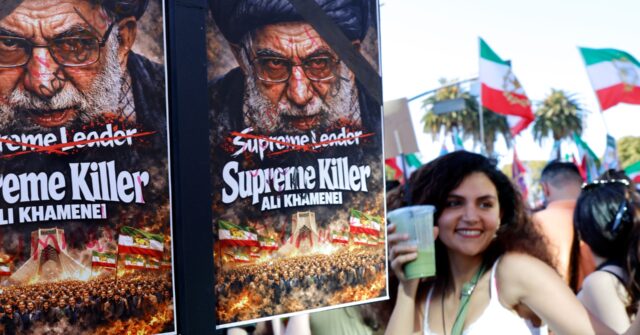
Widespread celebrations reportedly erupted among Iranians globally and, according to numerous media outlets, within Iran itself on Saturday, following confirmation of a significant American military operation. The United States launched 'Operation Epic Fury' targeting elements of the Iranian regime, an action that culminated in President Donald Trump's subsequent announcement regarding the death of Ayatollah Ali Khamenei. Reports from multiple reputable news organizations, including Iran International, the Jerusalem Post, CBS News, CNN, and the New York Post, indicated that segments of the Iranian populace were openly celebrating the news. This immediate and fervent reaction underscores the profound impact of the US military action and the reported demise of the Supreme Leader, signaling a potentially transformative moment for the nation and its people. The celebratory mood, observed across various locations, highlights deep-seated sentiments regarding the leadership and direction of the country.
The military action, dubbed 'Operation Epic Fury,' unfolded against a backdrop of escalating internal unrest and a highly volatile period in Iranian history. Prior to Saturday's events, Iran had experienced widespread nationwide protests that began in December, marking a significant challenge to the ruling establishment. These demonstrations were reportedly fueled by a rapidly deteriorating economic situation, which had left many citizens in increasingly desperate circumstances. Sources indicate that the regime's persistent allocation of national resources towards its own objectives, rather than addressing the domestic economic hardships, further exacerbated public discontent. This long-simmering frustration and the violent suppression of dissent provided crucial context for the celebratory response observed after the US strikes and the reported death of the Supreme Leader, suggesting a populace yearning for fundamental change and relief from perceived oppression.
Specific instances of celebration within Iran were widely reported by various news sources. The Jerusalem Post, for example, detailed social media videos purportedly showing individuals igniting fireworks from their balconies and communicating joyously with neighbors from their apartments. CNN and CBS News similarly reported scenes of cheers and widespread celebrations specifically in Tehran following President Trump's announcement of Khamenei's death. The Times of Israel further described circulating videos that appeared to depict Iranians laughing and celebrating as smoke was observed rising from the vicinity of Khamenei’s palace complex in central Tehran. Another video, allegedly from a high school, showed students expressing jubilation, with one reportedly exclaiming, 'I love Trump' in English. The New York Post published a nighttime video, reportedly from Tehran, showcasing women clapping and dancing in the streets, notably without their mandatory hijabs. Iran International, an independent news outlet often critical of the Iranian regime, also shared a video from the city of Karaj depicting similar celebratory scenes, collectively suggesting a widespread sense of relief at the reported conclusion of the Supreme Leader's tenure.
The reported death of Ayatollah Ali Khamenei and the ensuing public celebrations, if sustained, could herald a period of profound uncertainty and potential transformation for Iran. Analysts suggest that the immediate outpouring of joy, particularly within Iran, reflects years of suppressed dissent and a deep desire for political and economic reform among a significant portion of the population. The regime's long-standing policies, including its handling of the economy and its suppression of civil liberties, have created a fertile ground for discontent, which the recent protests vividly illustrated. The absence of a Supreme Leader, a figure central to Iran's political and religious structure, could trigger a complex power struggle within the country's clerical establishment and potentially open avenues for new political dynamics. The international community will be closely watching how this vacuum is filled and whether it leads to a more moderate or even more hardline successor, with significant implications for regional stability and global geopolitics.
In summary, Saturday's events mark a pivotal moment in Iran's recent history, characterized by significant US military action and the reported death of its long-serving Supreme Leader, Ayatollah Ali Khamenei. The immediate and widespread celebrations, both domestically and internationally, underscore the profound impact of these developments and the deep-seated aspirations for change among many Iranians. As the dust settles, the focus will shift to the internal dynamics within Iran, including the succession process and the potential for further social or political upheaval. The coming days and weeks will be crucial in determining the trajectory of the nation and its relationship with the global community, as the world watches for the next chapter in Iran's complex narrative.